Window screens have remained largely unchanged for decades. Most homes still use rigid aluminum-framed screens that rely on small pull tabs, spring clips, and corner connectors to stay in place. They work, but they are also easy to bend, awkward to reinstall after cleaning, and difficult to store without damaging the frame.
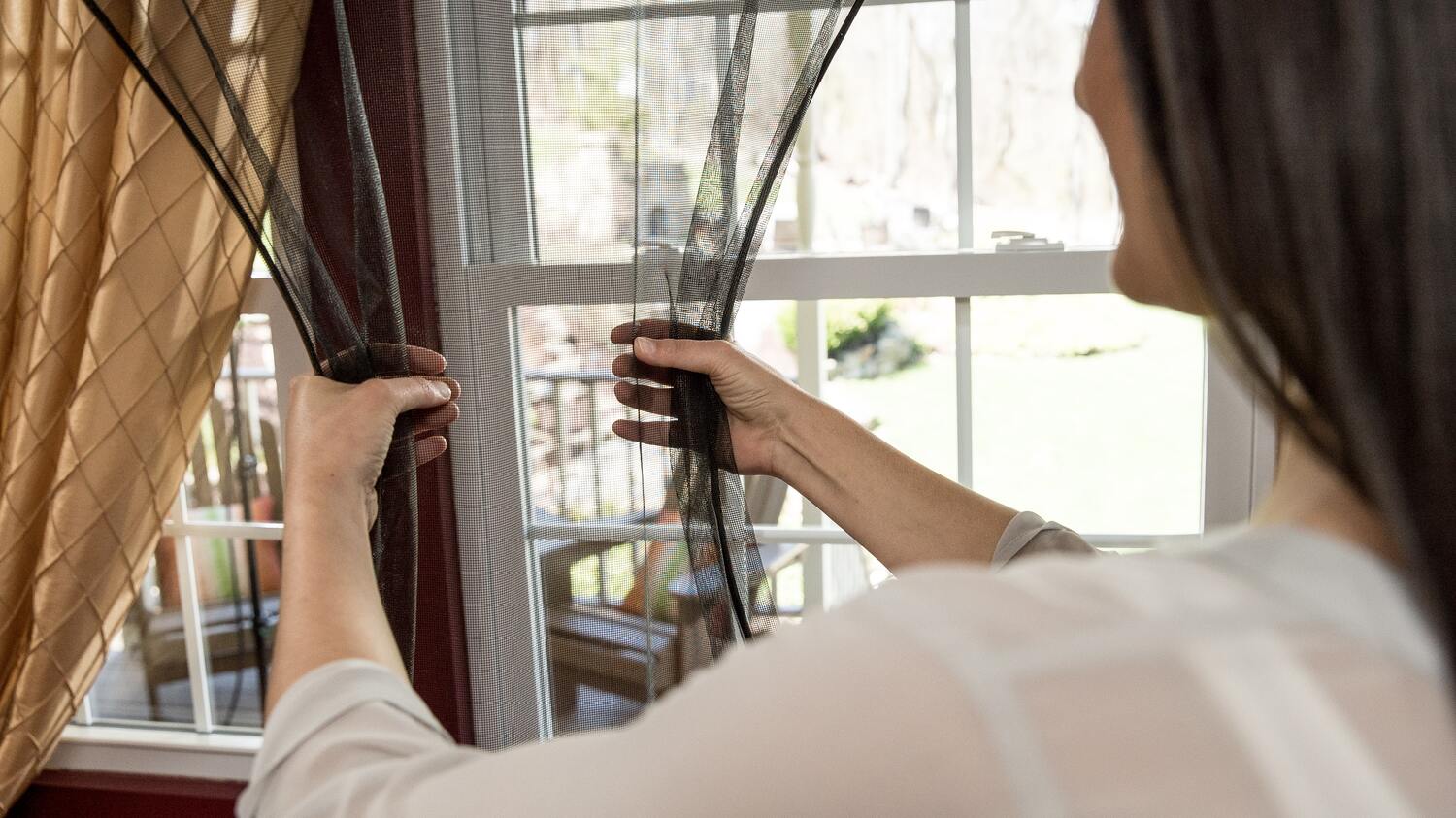
FlexScreen, a company based in Export, Pennsylvania, developed a different approach. Instead of using a rigid aluminum structure, the company created a flexible window screen made with a spring-steel frame coated in PVC. The screen compresses slightly during installation and then springs back into shape once seated inside the window track.
The company describes FlexScreen as “the world’s first and only flexible window screen,” and the product has gradually gained attention as a simpler alternative to standard screen designs. Rather than adding smart-home technology or complicated mechanisms, the product focuses on improving the installation and handling process for something homeowners already use every day.
FlexScreen was founded by inventor Joe Altieri in 2013. According to the company, Altieri originally developed the design in his garage after becoming frustrated with conventional aluminum window screens. The company later gained national attention after appearing on Shark Tank Season 11, where Altieri secured a deal with investor Lori Greiner.
How the flexible frame works
The main difference between FlexScreen and a traditional screen is the frame construction itself.
Instead of aluminum, FlexScreen uses phosphate-enhanced, high-carbon, oil-tempered spring steel coated in exterior-grade Duralloy PVC. According to the company, the frame is designed to flex repeatedly without permanently bending or warping.
Standard aluminum screens can dent or twist when removed for cleaning or seasonal storage. FlexScreen’s design aims to avoid those problems by allowing the frame to bend temporarily during installation and removal.

The screen installs by compressing the flexible frame slightly, placing it into the window pocket, and allowing it to spring outward into position. The frame’s built-in tension holds the screen in place, eliminating the need for visible pull tabs, p-pins, knife latches, or external mounting hardware.
For homeowners who regularly remove screens to clean windows or prepare for storms, the design simplifies one of the more frustrating parts of routine home maintenance.
A cleaner appearance and improved visibility
One of the more subtle differences with FlexScreen is the appearance once installed.
Traditional aluminum screens often have thicker silver or white borders that remain visible from both inside and outside the house. FlexScreen instead uses a slim black frame that sits deeper inside the window track. The company says this design allows the frame to “virtually disappear” once installed.
That slimmer profile can also improve outward visibility compared with conventional screen systems, especially on larger windows where thick aluminum borders become more noticeable.
The simplified design also removes many of the small components that commonly fail over time. Broken pull tabs and bent corners are among the most common issues with standard window screens, particularly in older homes where screens are removed frequently.
Different mesh options for different needs
FlexScreen is not limited to a single screen material. The company offers multiple mesh options depending on visibility, durability, airflow, and insect protection requirements.
Available options include:
- Standard Mesh – designed for general insect protection
- FlexView Mesh – intended to improve visibility and airflow
- FlexView Clean and Clear – designed for easier cleaning and reduced dirt buildup
- FlexView Small Insect Mesh – made for smaller insects such as gnats and no-see-ums
- FlexView Extra Strength Mesh – intended for homes with pets or higher tear resistance needs
- FlexView Solar Mesh – designed to block up to 70% of the sun’s rays to help reduce indoor heat and fading
According to the company, the mesh is vinyl-welded directly to the PVC-coated frame rather than secured using a traditional spline system. FlexScreen says the bond has been tested at 100 pounds for 24 hours without separation or damage, compared with conventional spline testing standards of 30 pounds for just one minute.
Custom sizing and compatibility
Unlike standard replacement screens sold in hardware stores, FlexScreen products are custom-made to fit individual window dimensions.
The company says screens can be manufactured in sizes ranging from 9 × 9 inches up to 55 × 80 inches. Only square and rectangular shapes are currently available.
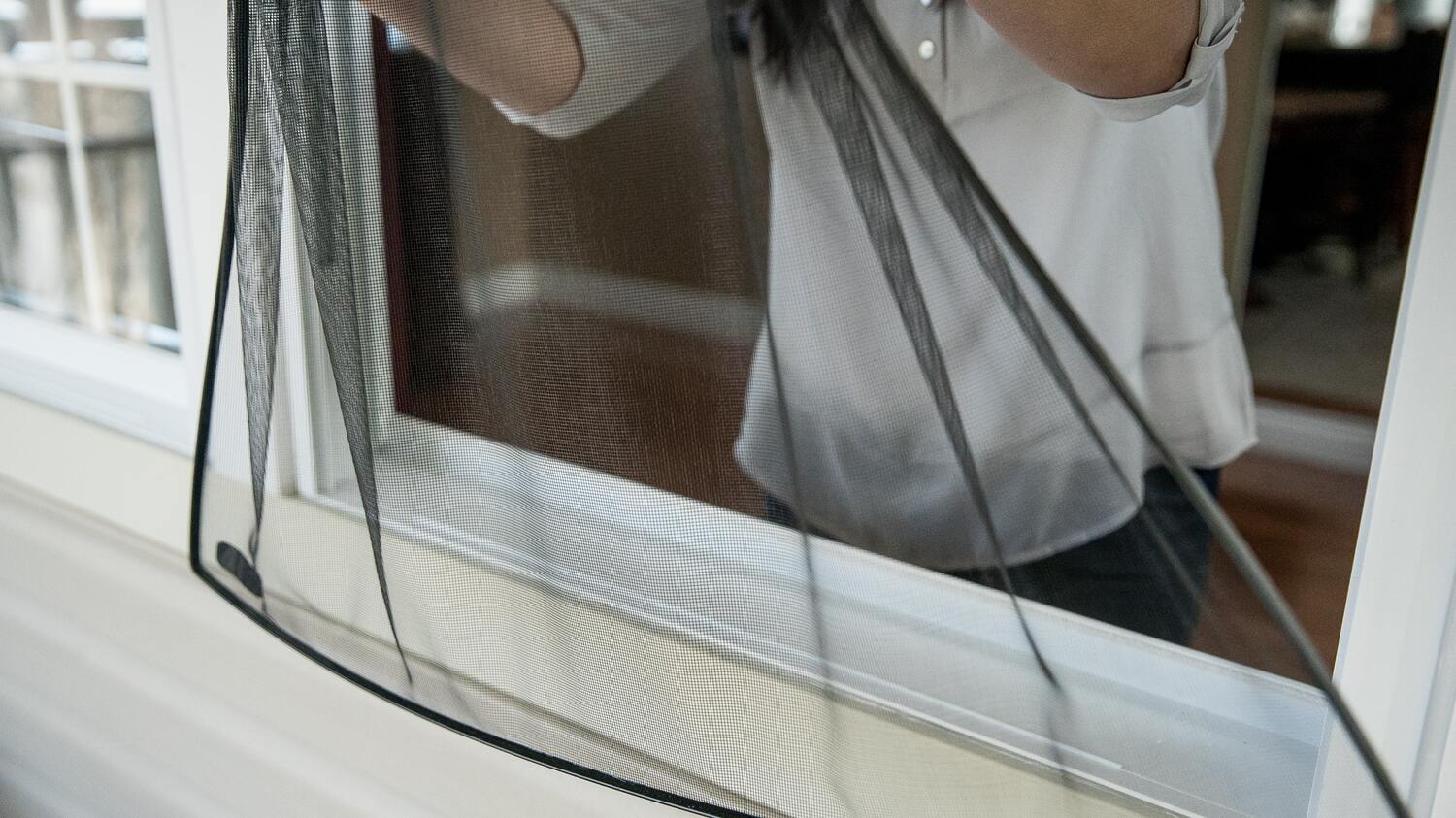
Because each screen is custom-made, accurate measurements are important. FlexScreen says orders include a measuring tool to help homeowners determine the correct dimensions before ordering.
The company also offers a FlexFit Retention Bumper system designed to create a tighter fit in situations where additional retention is needed.
FlexScreen products are sold through dealers, retail partners, window manufacturers, and licensing agreements rather than exclusively through direct online ordering. Some window brands also offer FlexScreen as an upgrade option on new replacement windows.
Where FlexScreen fits in the market
FlexScreen occupies an unusual position within the home-improvement industry. It is not a major renovation product or a large-scale investment like replacement windows, roofing, or siding. Instead, it improves a small household component that most people rarely think about until it breaks or becomes difficult to use.
That simplicity is part of the product’s appeal.
For homeowners who rarely remove their window screens, the practical difference may seem relatively minor. Standard aluminum screens remain inexpensive and widely available.
But for households dealing with the following issues, the flexible design may offer noticeable convenience advantages:
- Bent frames
- Difficult second-story installations
- Frequent cleaning
- Pet damage
- Broken pull tabs
- Seasonal screen removal
The ability to store screens more compactly is another practical benefit. FlexScreen says its products require roughly one-third of the storage space needed for conventional rigid aluminum screens.
Pricing and availability
Pricing varies depending on screen size, mesh type, and retailer. Because every FlexScreen is custom-manufactured to fit specific window dimensions, the products typically cost more than standard off-the-shelf aluminum replacement screens.
FlexScreen is now also available on Amazon in multiple mesh configurations, including Standard, FlexView, Small Insect, Pet, Solar, and Clean options. Pricing typically starts around $55 for smaller standard models and can increase to roughly $80 or more for larger custom sizes or specialty mesh types such as Solar or Pet-resistant screens.
Availability can vary depending on region, custom sizing requirements, and dealer participation. In addition to Amazon, FlexScreen products are also sold through window manufacturers, home-improvement dealers, and installation partners.
A practical redesign rather than a complicated upgrade
FlexScreen’s main appeal comes from solving a familiar household frustration without adding additional complexity. There are no electronic components, moving mechanical systems, or smart-home integrations involved. The concept simply replaces a rigid frame with a flexible one.
That approach makes the product easier to understand than many modern home-improvement upgrades. It also explains why the company has attracted attention despite operating in a product category that rarely changes.
For homeowners frustrated with bent aluminum screens, broken tabs, or difficult seasonal maintenance, FlexScreen offers a different approach to a household item that has remained mostly unchanged for decades.
Product page: FlexScreen