Roof windows can transform a dark upper floor into a bright, inviting room. But when the sun is high, the same overhead glazing can allow enough solar energy inside to make the space uncomfortably hot.
Essex-based installer Luxe Window Film offers a less disruptive alternative to replacing the windows or permanently covering them with blinds. Its External Silver 20 solar-control film is applied directly to the outside of the glass, where its reflective surface helps turn away solar energy before it enters the room.
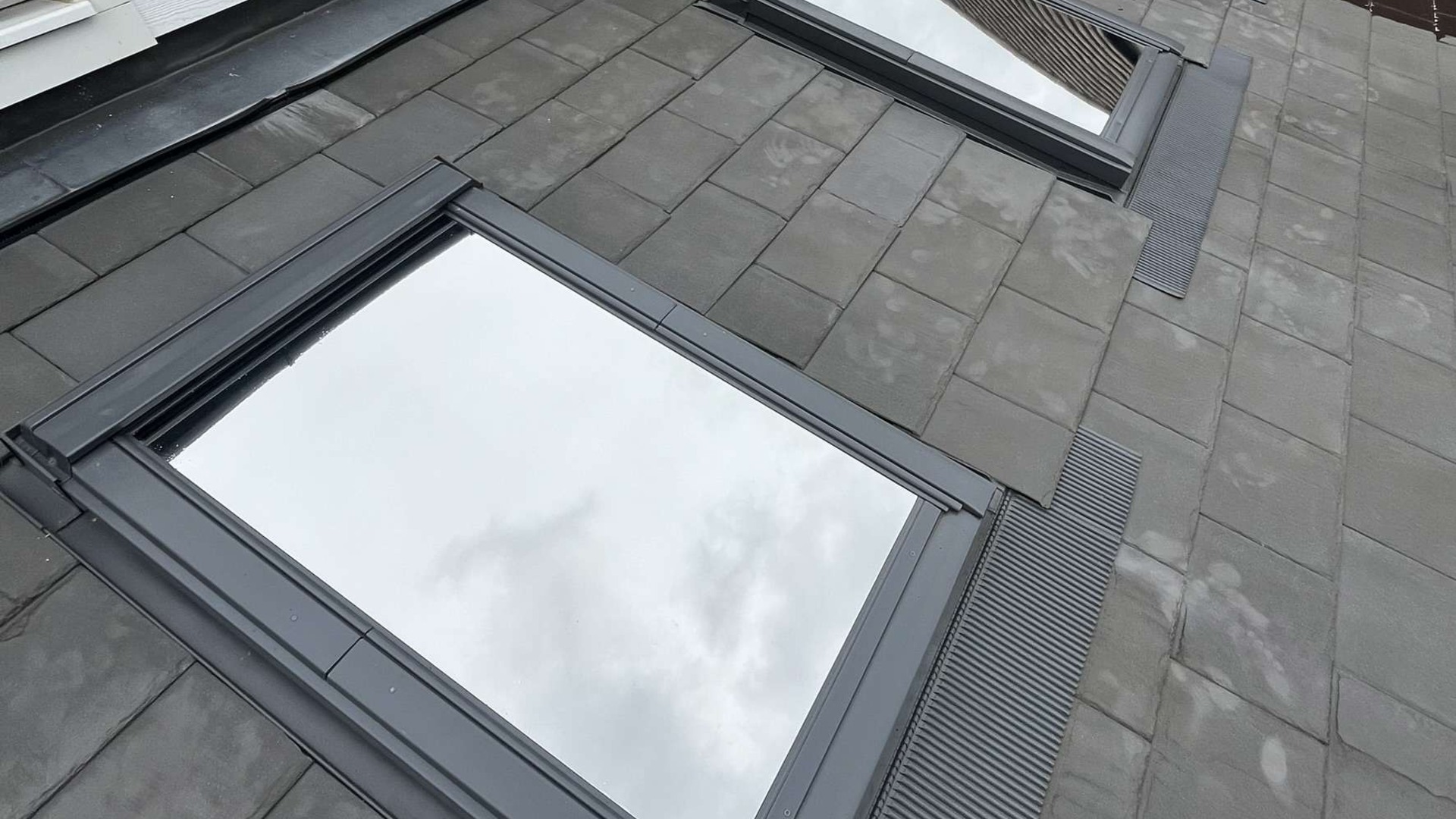
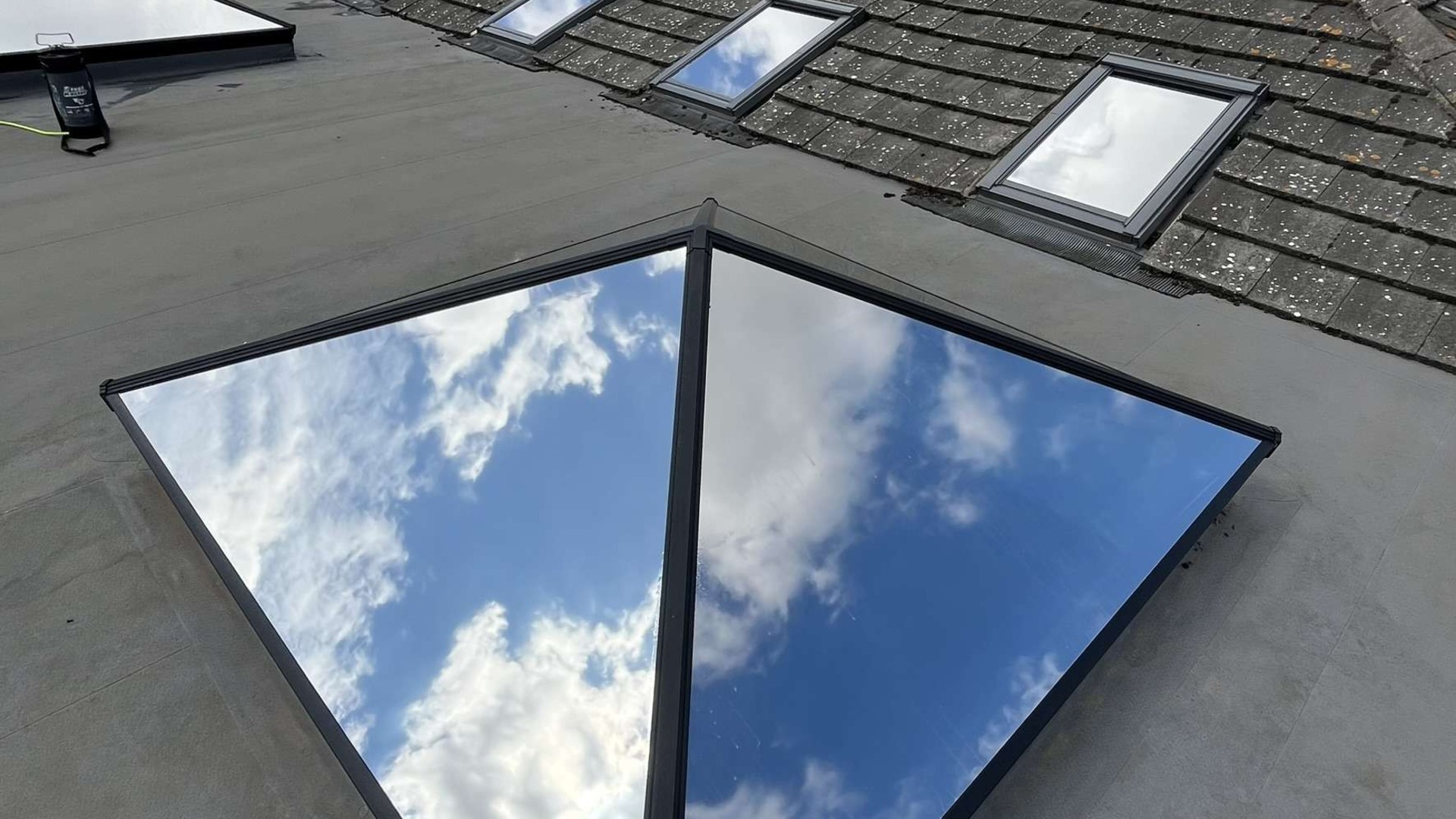
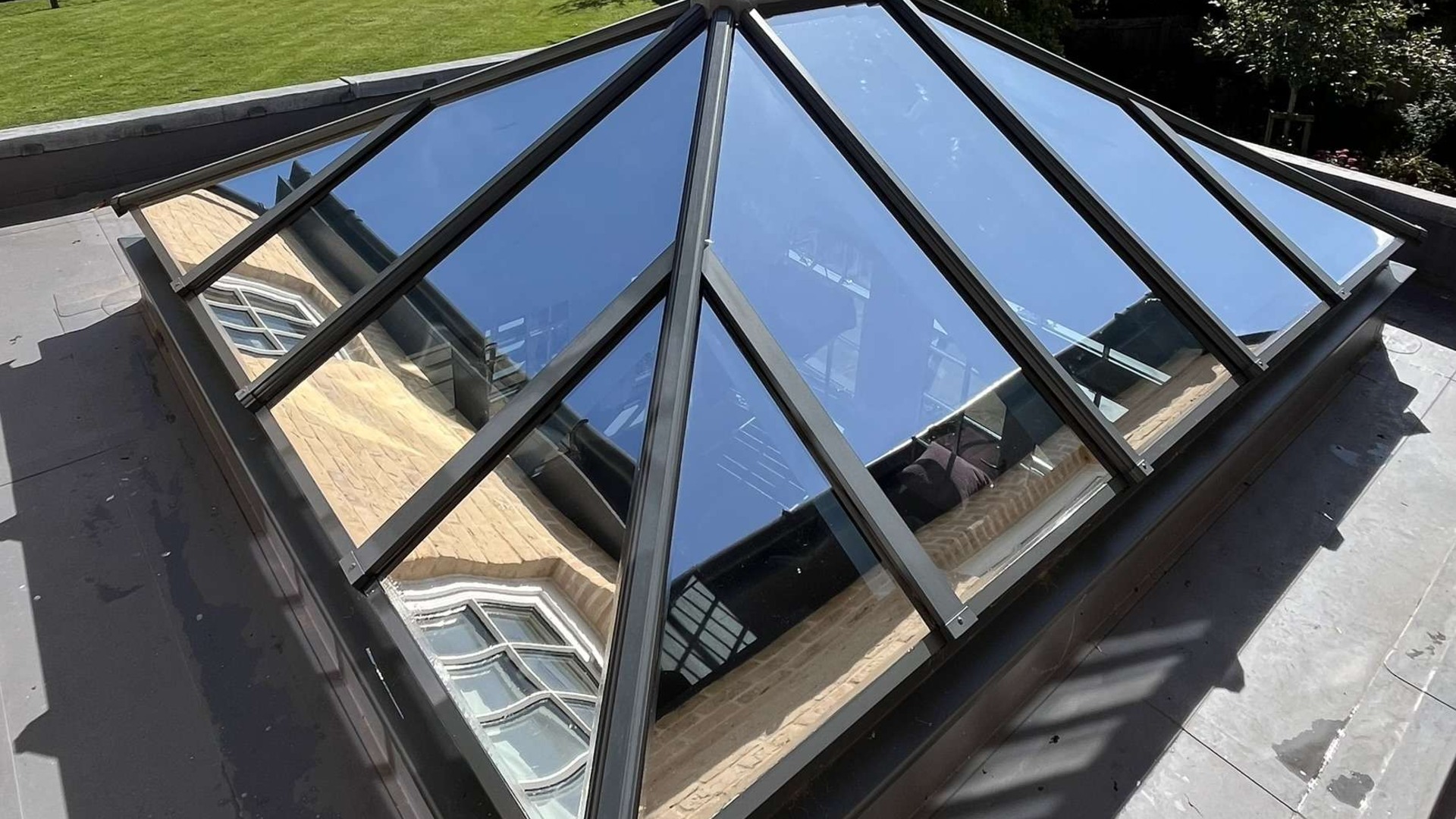
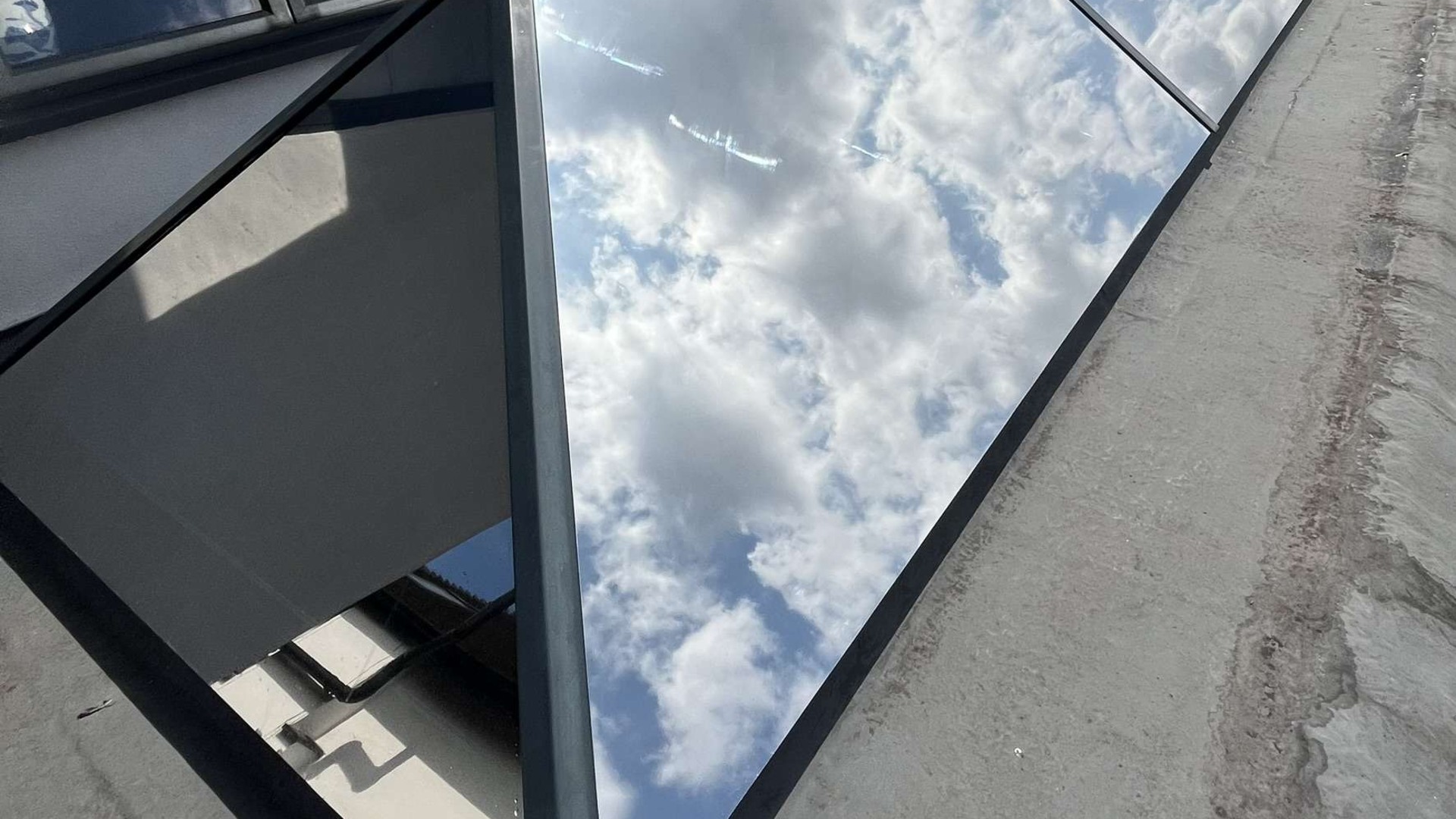
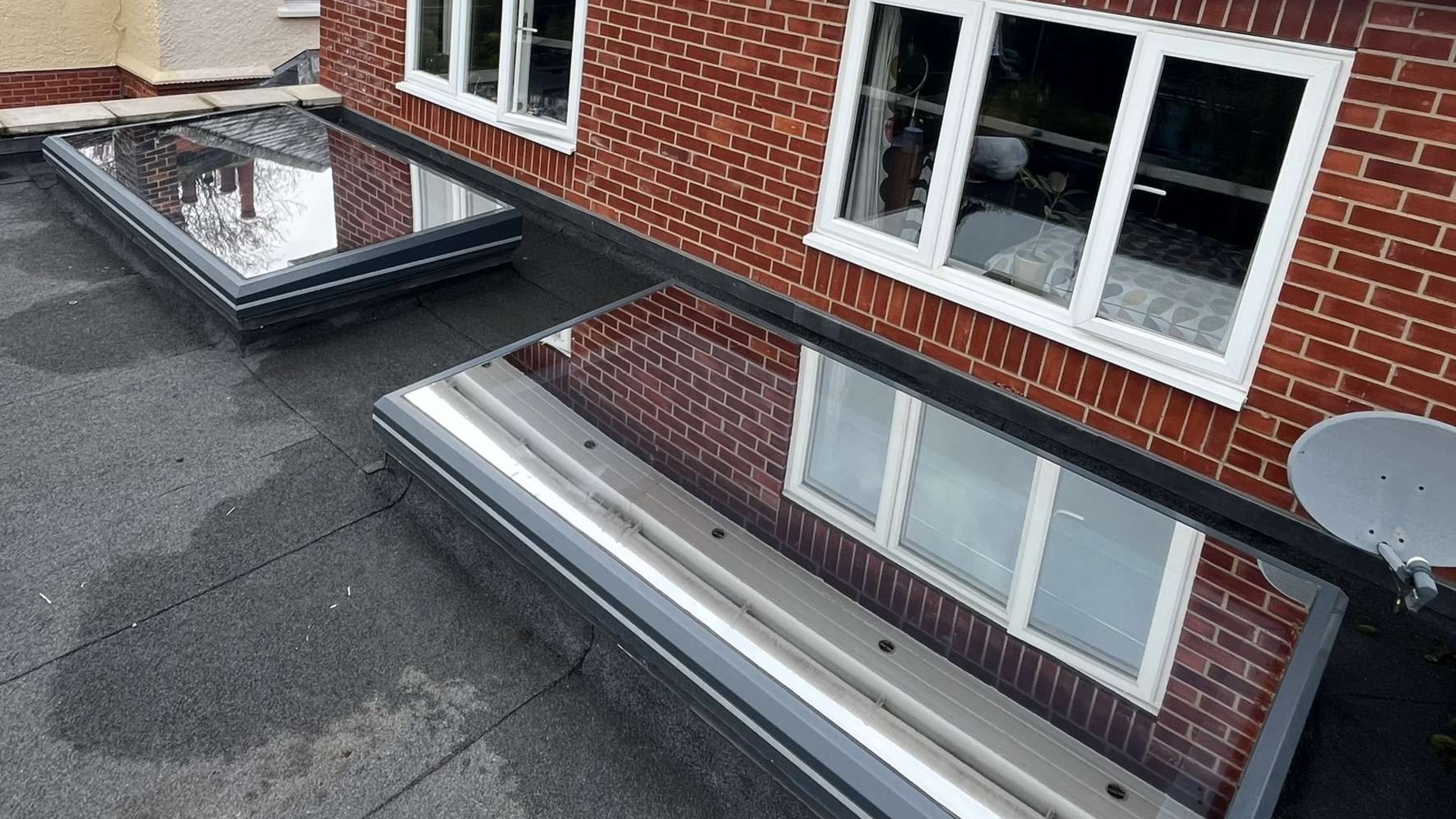
The result is easy to recognize from outside. Once treated, the roof windows take on a mirror-like silver appearance, reflecting the sky and surrounding buildings instead of looking like ordinary transparent glass.
Why roof windows can cause so much heat
Roof windows and skylights frequently receive prolonged exposure to direct sunlight. Depending on their orientation and the time of year, the energy passing through the glass can heat floors, walls and furniture, which then warm the surrounding air.
Opening a window may help remove some of that accumulated heat, but it does not prevent more solar energy from entering. Curtains and internal blinds reduce glare and shade the room, although much of the sunlight has already passed through the glazing by the time it reaches them.
External solar film takes a different approach. Because the reflective layer sits on the weather-facing side of the window, it can reject part of the incoming energy before it travels through the glass.
A mirror-like layer applied outside the glass
The product used in Luxe’s roof-window installations is described as External Silver 20 reflective solar window film. The “20” generally identifies a dark film that allows only around one-fifth of visible light through, although the precise specification depends on the manufacturer and the glass on which it is tested.
Luxe has not published a technical data sheet identifying the manufacturer of its Silver 20 film. Comparable professional exterior films in this category typically transmit around 17% to 22% of visible light, reject roughly 79% to 83% of total solar energy and block more than 99% of ultraviolet radiation.
Those figures provide useful context, but they should not be interpreted as confirmed specifications for every Luxe installation. Performance changes with the film, type of glazing, existing coatings and angle of the window.
It is also important not to confuse solar-energy rejection with room-temperature reduction. A film that rejects around 80% of total solar energy does not make a room 80% cooler. Building insulation, ventilation, window area, outdoor temperature and heat already stored inside the structure all affect the final result.
Less glare and strong UV protection
Heat control is only part of the appeal. Dark reflective film also limits the amount of visible sunlight entering the room, which can reduce glare on televisions, computer monitors and other glossy surfaces.
Luxe says its solar films can block up to 99.5% of ultraviolet radiation. The company specifically describes the roof-window treatment as providing 99% UV protection, helping reduce one contributor to the fading of flooring, fabrics, furniture and artwork.
UV protection cannot prevent fading altogether. Visible light, heat, humidity and the composition of the affected material also play a role, but reducing UV exposure can help slow the process.
There is a clear trade-off
The strongest solar-control films are not visually neutral. Silver 20 substantially reduces the daylight coming through a window and creates a conspicuous mirrored finish outside.
That may be an acceptable compromise in a bright loft, conservatory or glazed extension that overheats in summer. Someone who wants to preserve more natural light may prefer a lighter reflective film, a low-mirror finish or a clear solar-control product, accepting that the heat and glare performance may differ.
The reflective surface can also provide daytime privacy. When the exterior is brighter than the room, people outside primarily see a reflection while occupants retain a view out. That effect depends on the balance of light, however. After dark, switching on interior lights can allow people outside to see through the glass, so curtains or blinds may still be required.
Professional installation matters
Before installing any film, the glass should be identified correctly. Double glazing, laminated panes and low-emissivity coatings behave differently when exposed to solar heat, and an incompatible film could increase thermal stress or affect seals.
The installer cleans the exterior glass, cuts the film to size and positions it using a wet-application solution. Water and air are pushed out with a squeegee before the edges are trimmed and, where required, sealed against the weather.
External film is directly exposed to sunlight, rain, dirt and temperature changes, so it normally has a shorter service life than an equivalent interior product. Luxe advertises manufacturer warranties of up to 10 years or more across its broader film range, but customers should request the warranty covering the exact film, glazing and inclined exterior installation being quoted.
Owners should also check the terms of their window warranty. VELUX discourages store-bought aftermarket films in some of its published guidance, and applying a third-party product may affect glass coverage. Written confirmation from the window manufacturer or supplier is prudent before installation.
Pricing and availability
Luxe Window Film does not publish a fixed price for External Silver 20 installation. Customers send photographs and details of their windows to receive a project-specific quotation. Cost will depend on the area of glass, number of panes, access requirements and whether ladders, roof equipment or additional edge sealing are needed.
The company is based in Essex and lists service coverage across London and much of Southeast England, including Kent, Surrey, Sussex, Suffolk, Berkshire, Cambridgeshire, Buckinghamshire, Hertfordshire, Bedfordshire, Norfolk, Hampshire and Oxfordshire.
For the right room, reflective exterior film offers an interesting middle ground between doing nothing and replacing the glazing. It cannot remove heat already trapped inside a building, and the darker appearance will not suit everyone. But by reducing the solar energy, glare and UV radiation entering through exposed roof windows, it could make a sun-baked loft or extension considerably easier to use.
Sources: Luxe Window Film solar films, VELUX UK guarantee information