

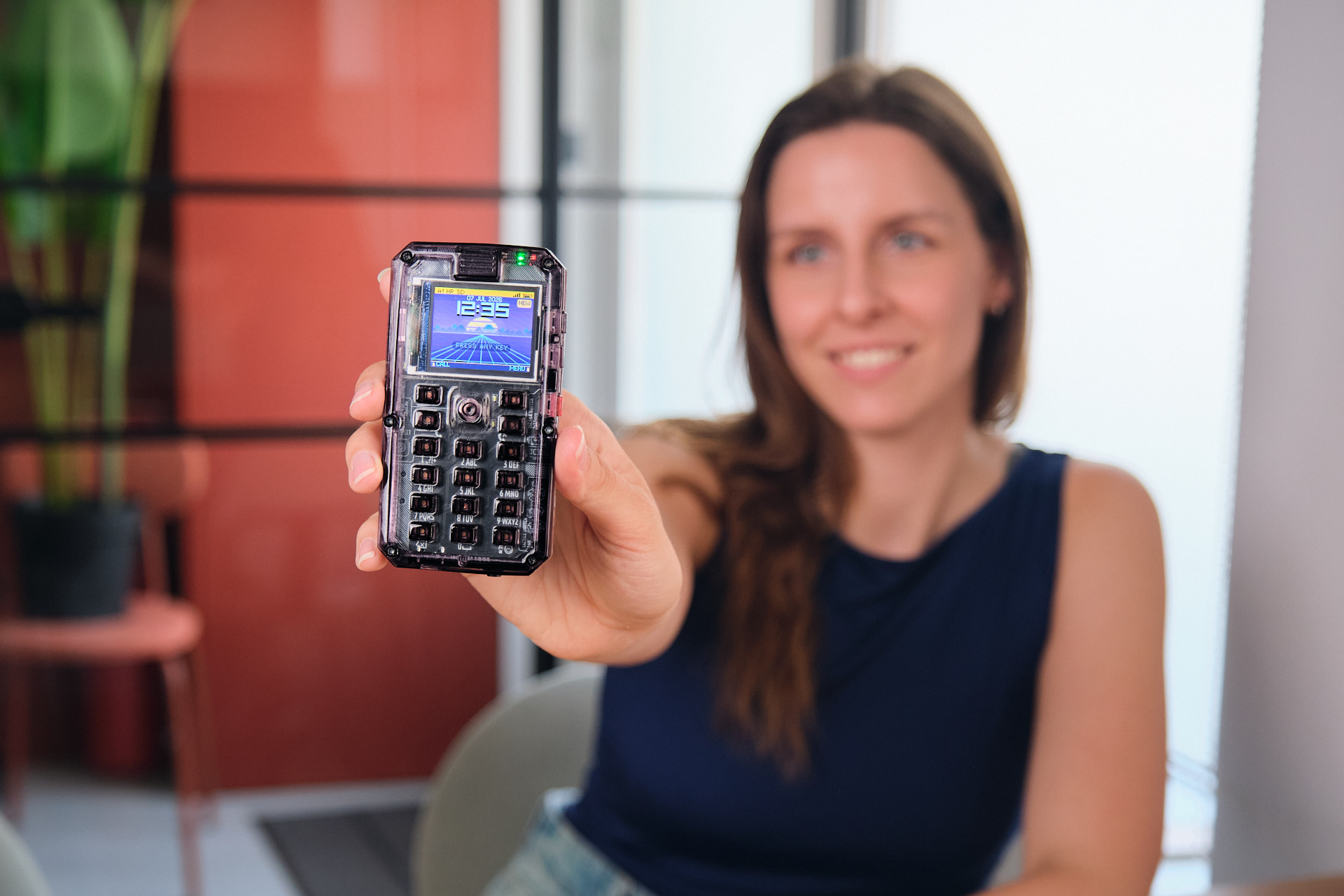

Most phones arrive sealed behind glass, with little indication of what is happening inside. MAKERphone 2.0 takes the opposite approach: it arrives as a collection of components that only becomes a working phone after its owner builds it.
Created by Croatian-American educational electronics company CircuitMess, the kit combines a functional 4G feature phone with a hands-on lesson in electronics and programming. Builders install the circuit board, display, keypad, joystick, battery and enclosure before creating their own apps and games for the finished device.
A real phone assembled at home
CircuitMess says MAKERphone 2.0 can be assembled in approximately two hours. The standard build involves components that click, plug or screw together, so it requires no soldering or previous electronics experience. An illustrated manual and video guides take builders through the process.
That represents a major change from the original MAKERphone launched on Kickstarter in 2018. The first version required roughly seven hours of soldering. Its successor is intended to retain the educational value while making the project accessible to a much broader group of students, families and curious adults.
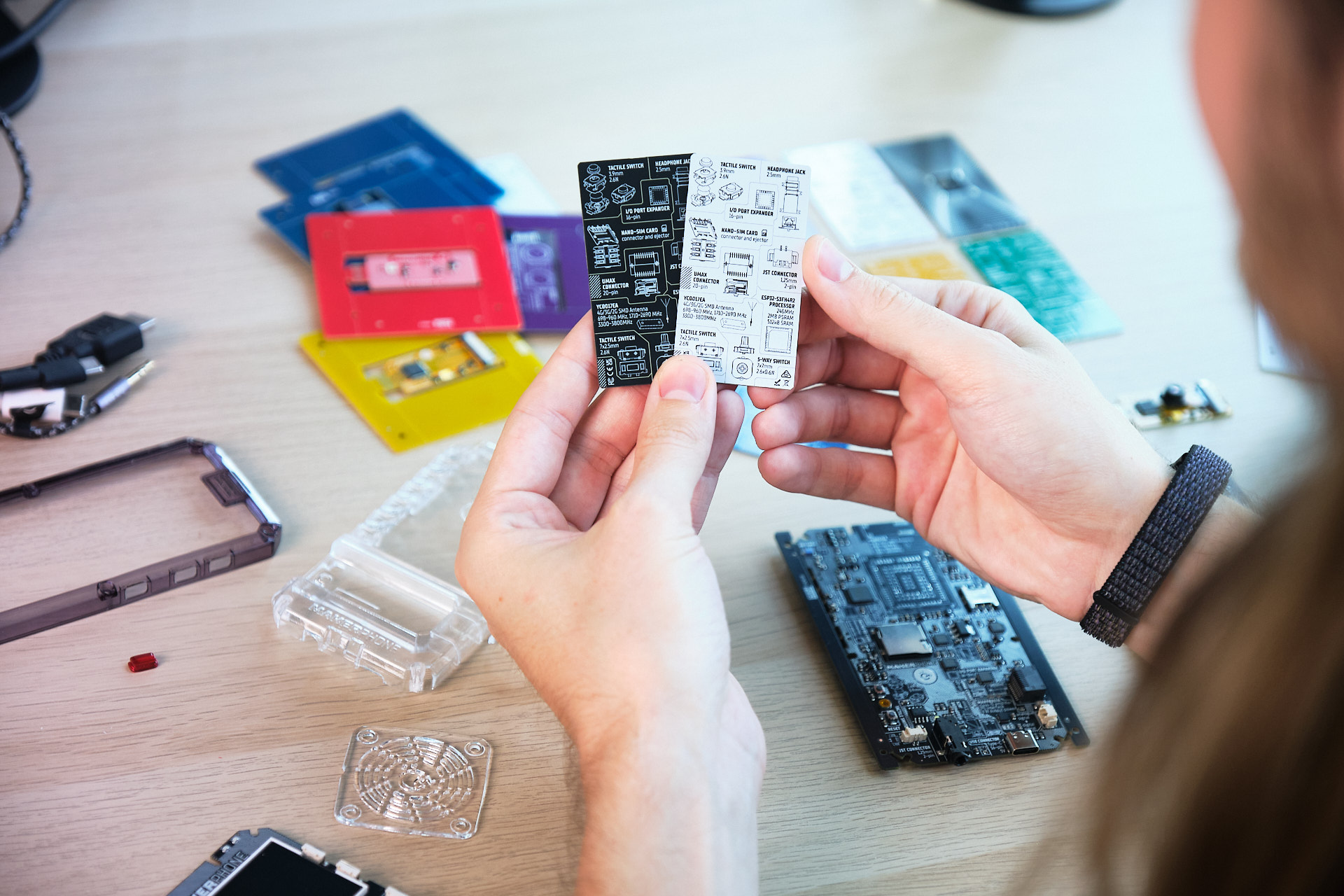
Once assembled and fitted with a nano-SIM, the device can make calls and send SMS messages over 4G LTE Cat-1, with 2G fallback where available. Wi-Fi and Bluetooth are built in, while a USB-C port handles both charging and connection to a computer.
It is important, however, to understand what kind of phone this is. MAKERphone 2.0 does not run Android or iOS and has no touchscreen, browser, conventional app store, social-media apps, maps or WhatsApp. It is a programmable feature phone designed around calls, texts and software created specifically for its hardware.
Small screen, physical controls and open hardware
At its heart is an Arduino-compatible, dual-core ESP32-S3 microcontroller with 4 MB of flash storage and 4 MB of PSRAM. Files, music and photographs can be kept on a microSD card.
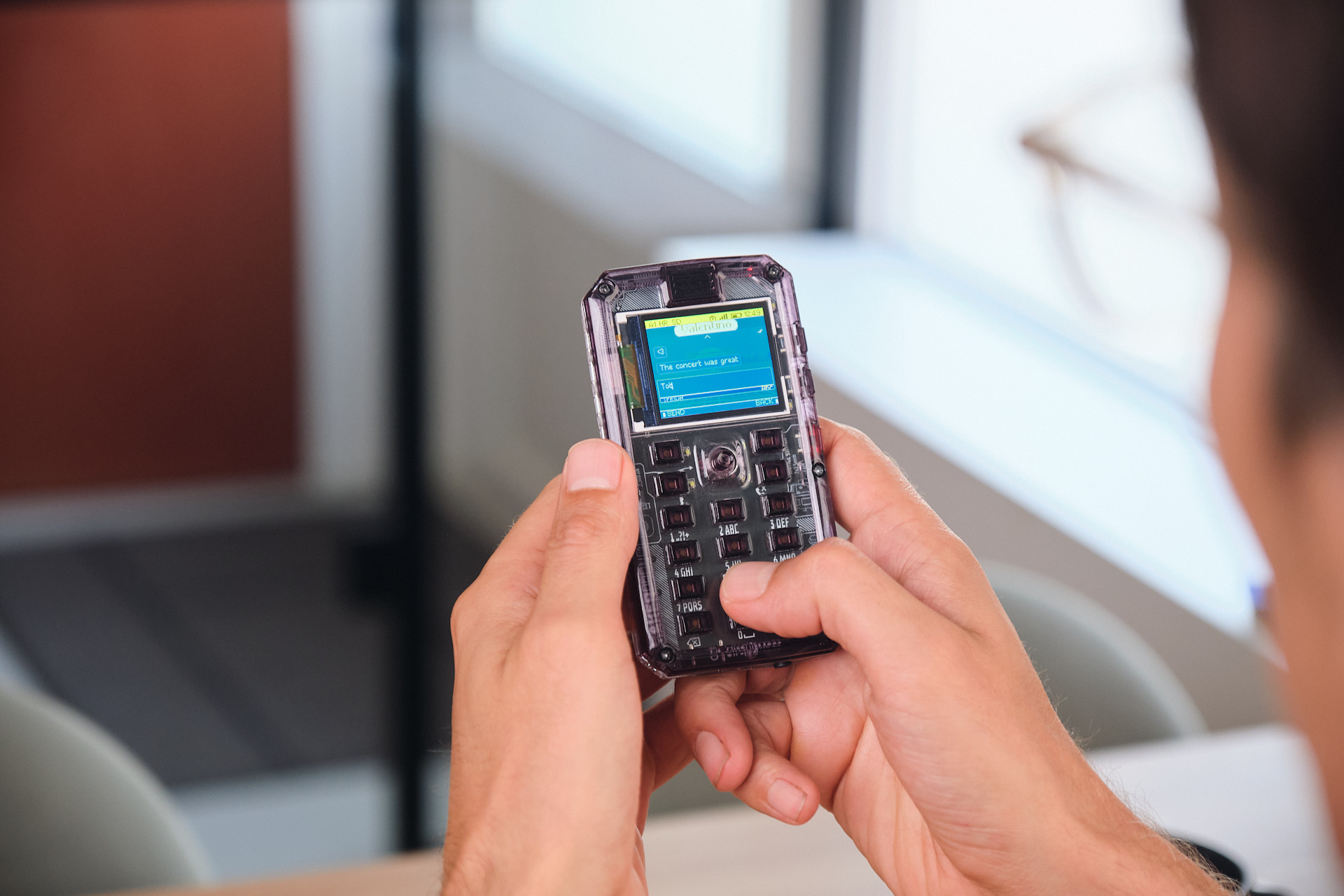
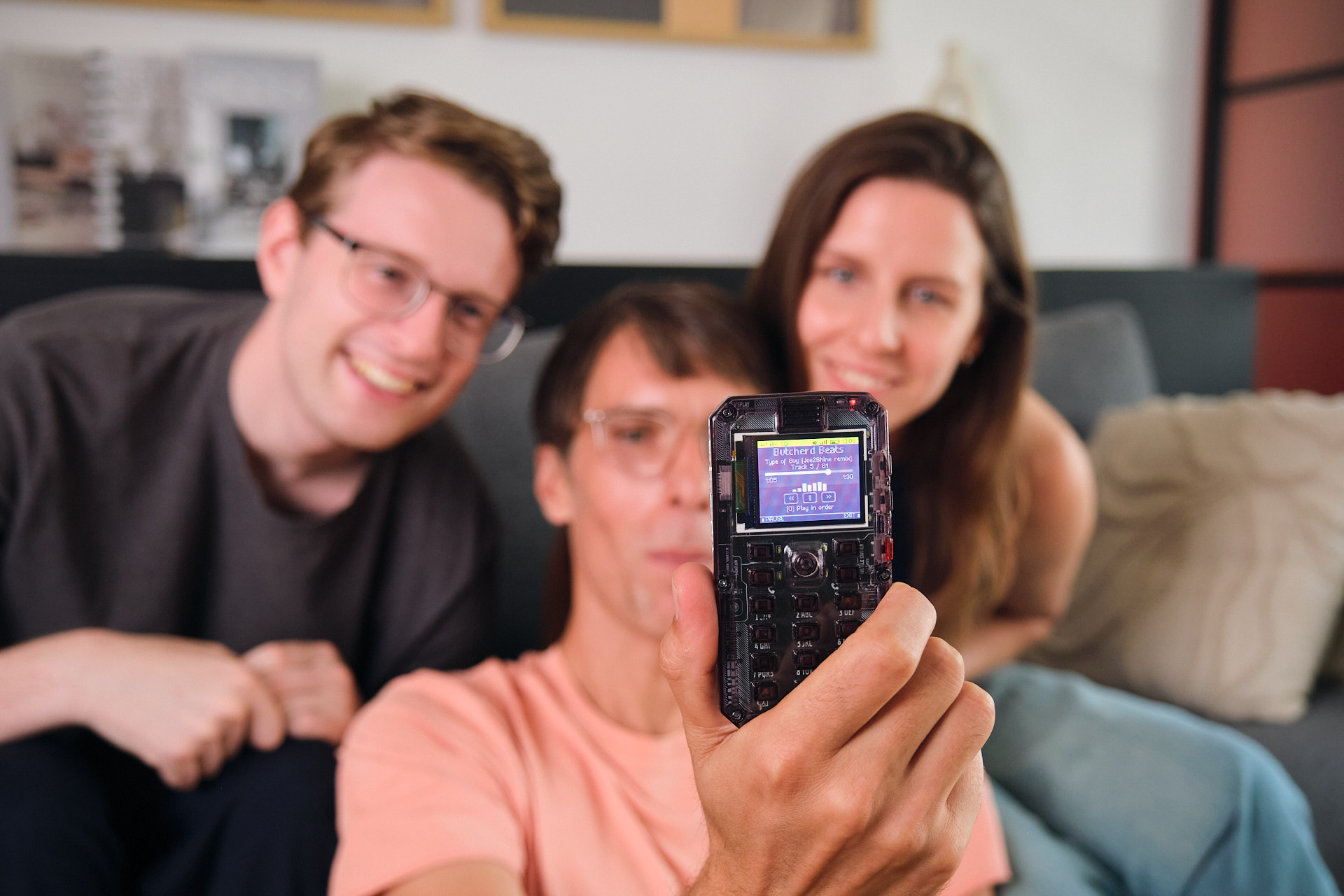
The phone measures 11.5 x 6 x 1.8 cm (4.5 x 2.4 x 0.7 inches) and weighs 104 g (3.7 oz) when assembled. Its 1.77-inch color display has a resolution of 160 x 128 pixels. Below it sits a mechanical 12-key number pad, accompanied by a navigation joystick and dedicated function buttons.
Other hardware includes a speaker, microphone, 3.5-mm headphone jack, programmable RGB lighting and a real-time clock. A removable 1,000-mAh battery sits behind the transparent enclosure and can be replaced by the owner.
The included software provides contacts, call history, ringtones, alarms, a calendar, notes, a file explorer, a music player, a photo and video gallery, and more than 10 retro games. Without a SIM, the phone can still run games, music, locally installed programs and compatible expansion modules.
From plain-English instructions to real code
Building the hardware is only half of the project. Owners can also create apps, games and interfaces using VibeBoy, CircuitMess’s computer-based coding environment.
Beginners can describe a project in ordinary language and have the AI-assisted tool generate code. They can then examine the result, change it and gradually progress toward programming directly in MicroPython or Arduino C++. Programs can be transferred to the phone through a connected computer.
VibeBoy is optional rather than part of the phone’s operating system. Anyone who prefers to write every line manually can do so, and the phone’s normal calling, messaging and entertainment functions do not depend on AI.
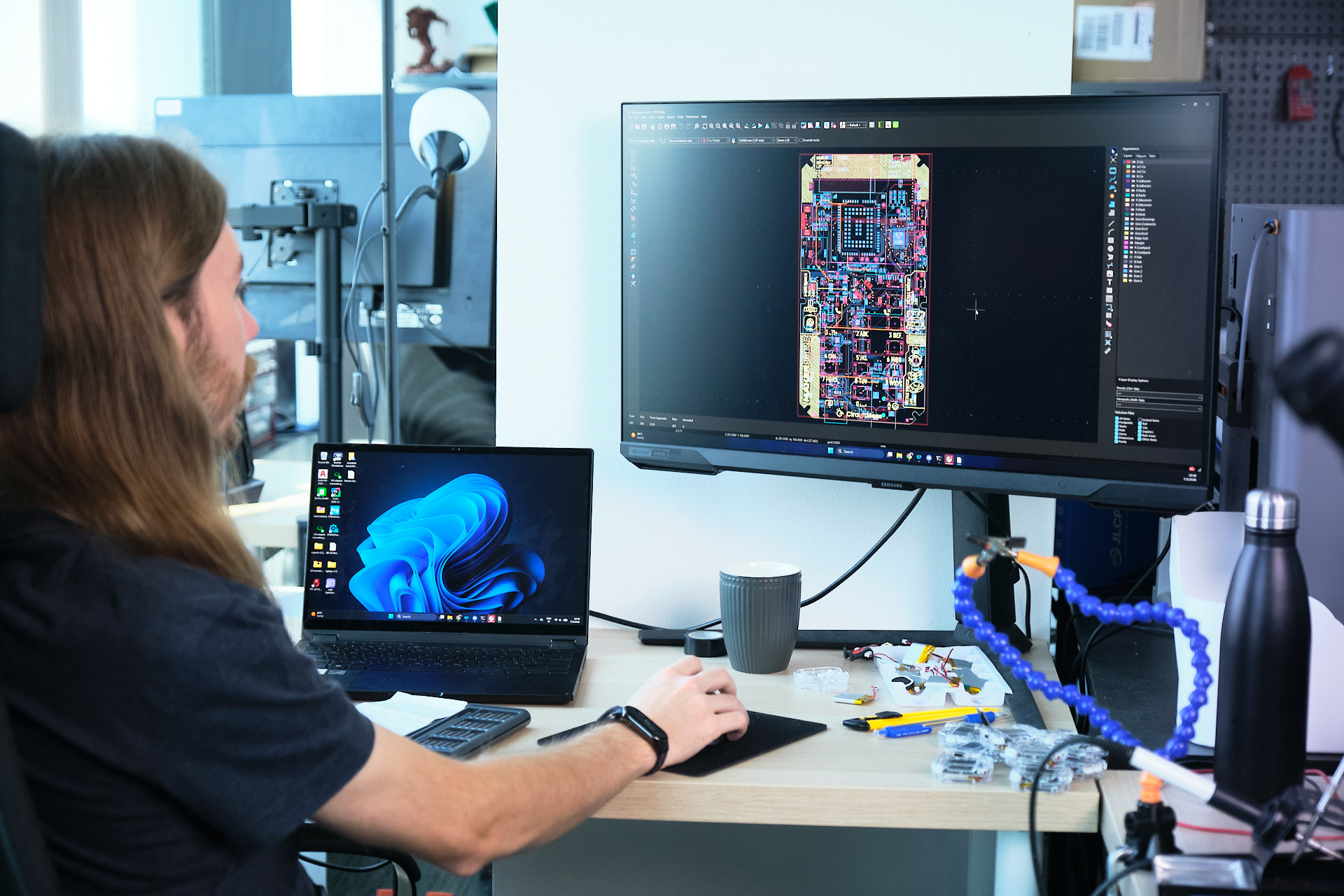
CircuitMess says owners can flash their own firmware and modify the hardware. That open approach makes the device more useful as an educational platform than a typical locked-down phone, although its ESP32-S3 processor and low-resolution display naturally limit the software it can run.
Modules add cameras, sensors and more
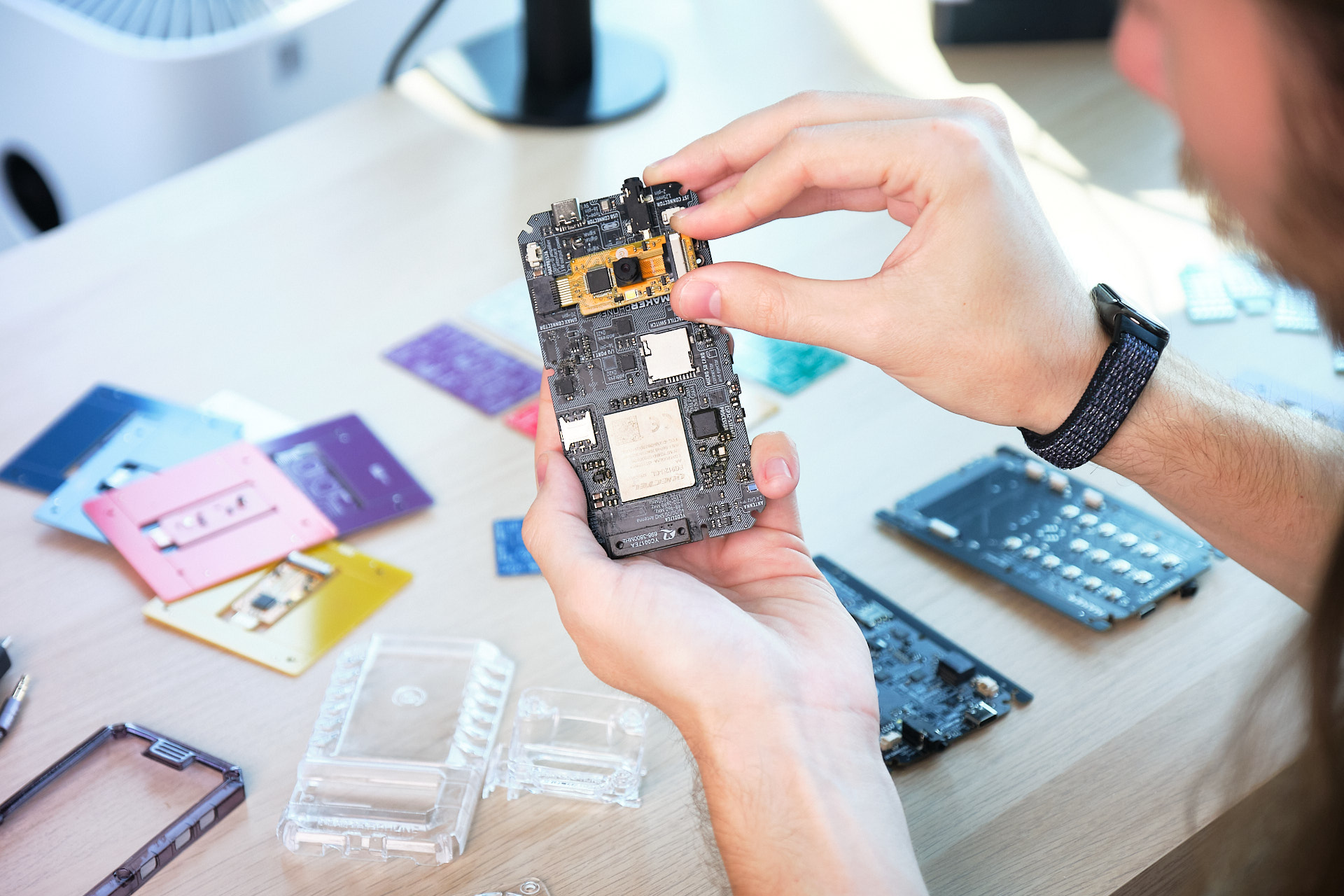
The programmable MAKERphone 2.0 includes a UMAX port that accepts one snap-on expansion module at a time. When a compatible module is attached, its application automatically appears in the phone’s menu.
The original six-module collection includes a retro-style camera, 2-watt external speaker, LED flashlight, infrared transmitter for controlling appliances, temperature-and-humidity sensor and a DIY perfboard for custom circuits.
CircuitMess has also announced a separate nine-module Pro Pack. Its additions include LoRa communication for sending short phone-to-phone messages without cellular service, Wi-Fi or conventional towers, along with GPS, a gyroscope, vibration motor, e-paper display, laser pointer and a touch-based musical interface.
An optional buildable smartwatch called MAKERband can connect to MAKERphone 2.0 over Bluetooth. It offers notifications, music controls, a remote camera shutter, 15 watch faces and five mini-games, and can also be programmed through VibeBoy.
Designed as an alternative to a sealed smartphone
The absence of social media and an app store is deliberate. CircuitMess sees the device as a potential first phone for children, a distraction-reduced secondary phone and a project for anyone interested in learning how electronics and software work together.
MAKERphone 2.0 builds on a project with an established audience. The original campaign raised more than $324,000 from 2,154 Kickstarter backers and ultimately reached more than 6,000 users. CircuitMess says it has shipped more than 300,000 educational kits since the company was founded by Albert Gajšak in Zagreb in 2017.
The new campaign opened on September 10, 2026, and passed its $30,000 funding target within 49 minutes. CircuitMess says the production hardware is complete and the software is in final testing, although normal crowdfunding risks concerning manufacturing schedules and delivery still apply.
Pricing and availability
The MAKERphone 2.0 Kickstarter kit is currently offered from $129, compared with a stated planned retail price of $169. It includes the phone components and three months of unlimited VibeBoy Pro; a free VibeBoy tier is expected to remain available afterward, while Pro is listed at $4.99 per month.
A $189 MAKERPACK combines the phone with a MAKERband. Standard and Pro expansion-module collections are available separately or through higher campaign tiers. Shipping is charged later, while taxes, duties and handling fees depend on the destination.
Backer deliveries are estimated for August 2027. If CircuitMess meets that schedule, MAKERphone 2.0 could offer something increasingly unusual: not merely a device people use, but one they can assemble, understand and continually reinvent.
Source: MAKERphone 2.0 (Kickstarter)