The world’s oceans are constantly moving, carrying enormous amounts of untapped renewable energy. Unlike sunlight, which disappears every night, or wind, which can change by the hour, ocean waves are remarkably consistent and predictable. For decades, engineers have tried to harness this immense energy source, but one challenge has repeatedly stood in the way: building machines that can both generate electricity efficiently and survive the relentless force of the sea.
Swedish clean energy company CorPower Ocean believes it has finally found a solution.
Its innovative floating wave energy converters are designed to capture the up-and-down motion of ocean waves and convert it into electricity, while automatically adapting to changing sea conditions. Inspired by the pumping principles of the human heart, CorPower’s technology aims to overcome many of the reliability and efficiency challenges that have limited wave energy for years.
Turning ocean waves into electricity
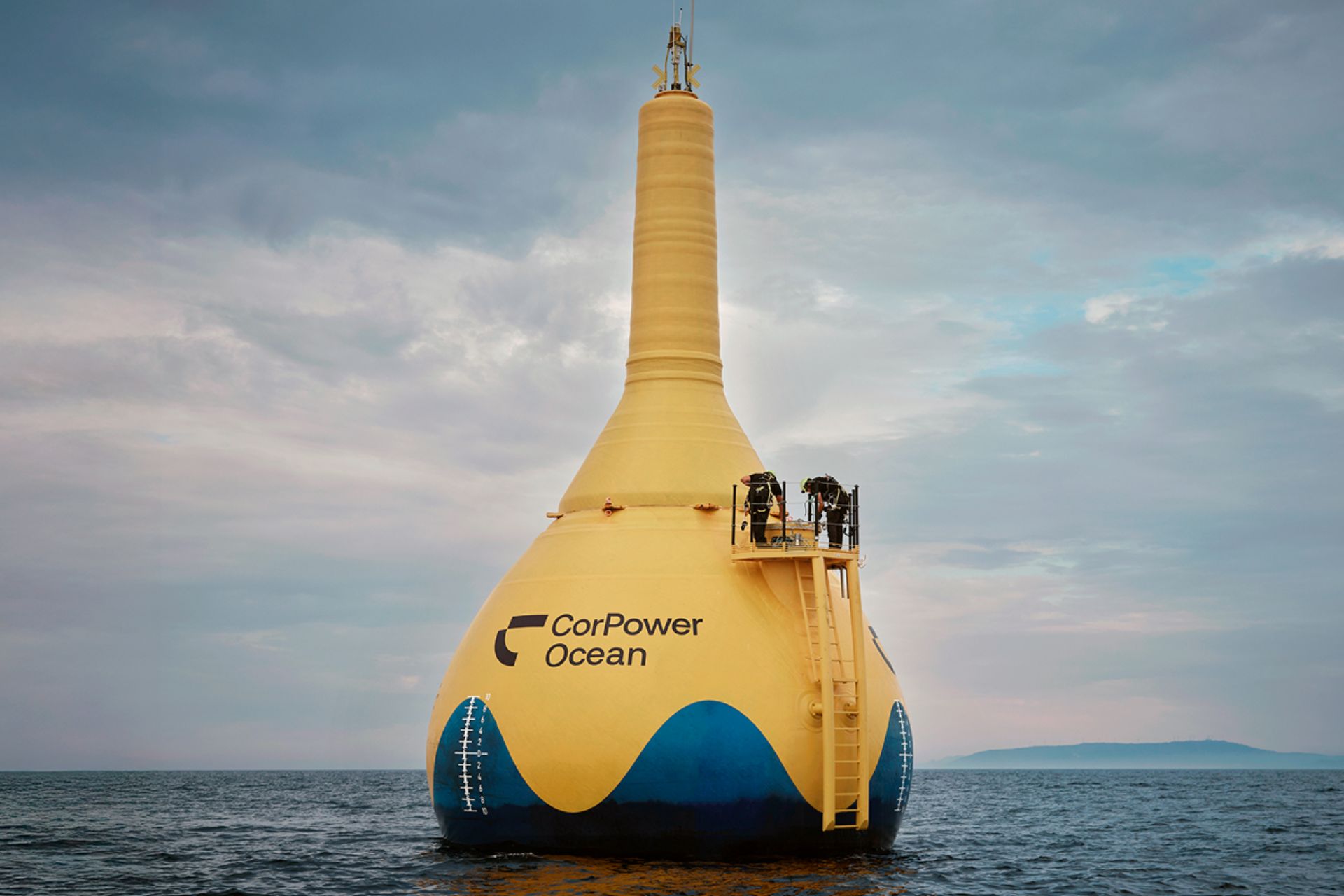
At first glance, CorPower’s Wave Energy Converter (WEC) looks like a large buoy floating offshore. But beneath the surface is a sophisticated system engineered to harvest energy from every passing wave.
As waves lift and lower the buoy, that vertical movement drives a mechanical power take-off system housed inside the device. The generated electricity is then transmitted to shore through subsea power cables, where it can be fed directly into the electrical grid.
While the concept sounds simple, the real innovation lies in how the buoy responds to changing ocean conditions.
Inspired by the human heart
One of CorPower Ocean’s biggest breakthroughs is its patented WaveSpring technology.
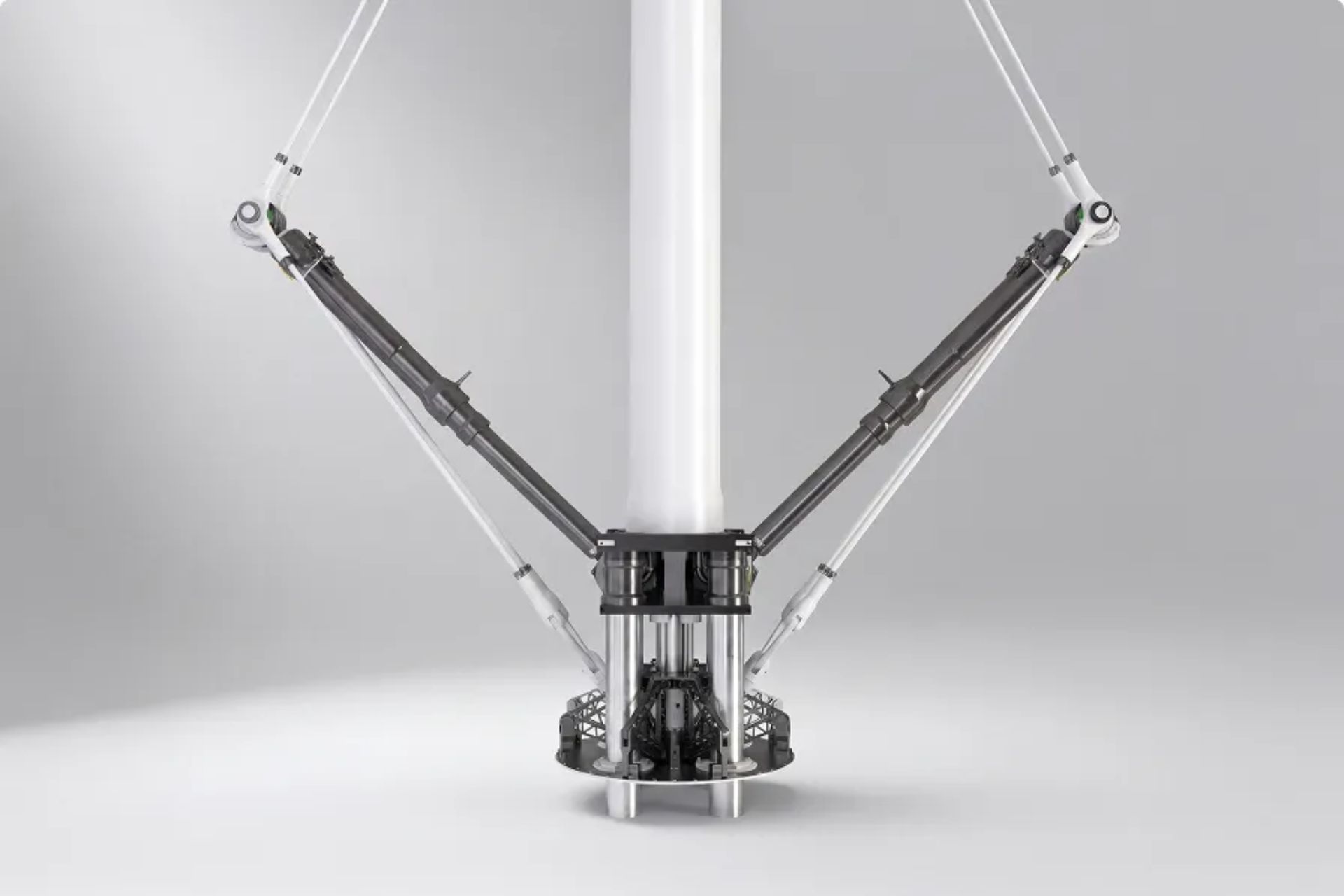
The company compares it to the pumping action of the human heart, where stored energy helps improve efficiency. Instead of passively following the waves, the WaveSpring system allows the buoy to move in resonance with incoming waves, dramatically increasing the amount of energy it can capture.
In regular sea conditions, the buoy automatically enters a tuned operating mode. According to CorPower, this can amplify the motion of a one-metre wave into approximately three metres of buoy movement, enabling significantly greater electricity generation without requiring a much larger floating structure.
This resonance effect allows the relatively compact device to extract far more energy than conventional wave energy systems.
Built to survive powerful storms
Generating electricity is only half the challenge.
The open ocean is an unforgiving environment where storms can produce waves many times larger than those encountered during normal operation. Many previous wave energy projects struggled because their equipment could not withstand these extreme conditions over long periods.
CorPower addresses this with an automatic detuned operating mode.
When the system detects severe weather, it changes its behaviour to become almost “transparent” to incoming waves. Instead of resisting the immense forces generated during storms, the buoy dramatically reduces its movement, limiting vertical motion to less than two percent and significantly reducing structural loads.
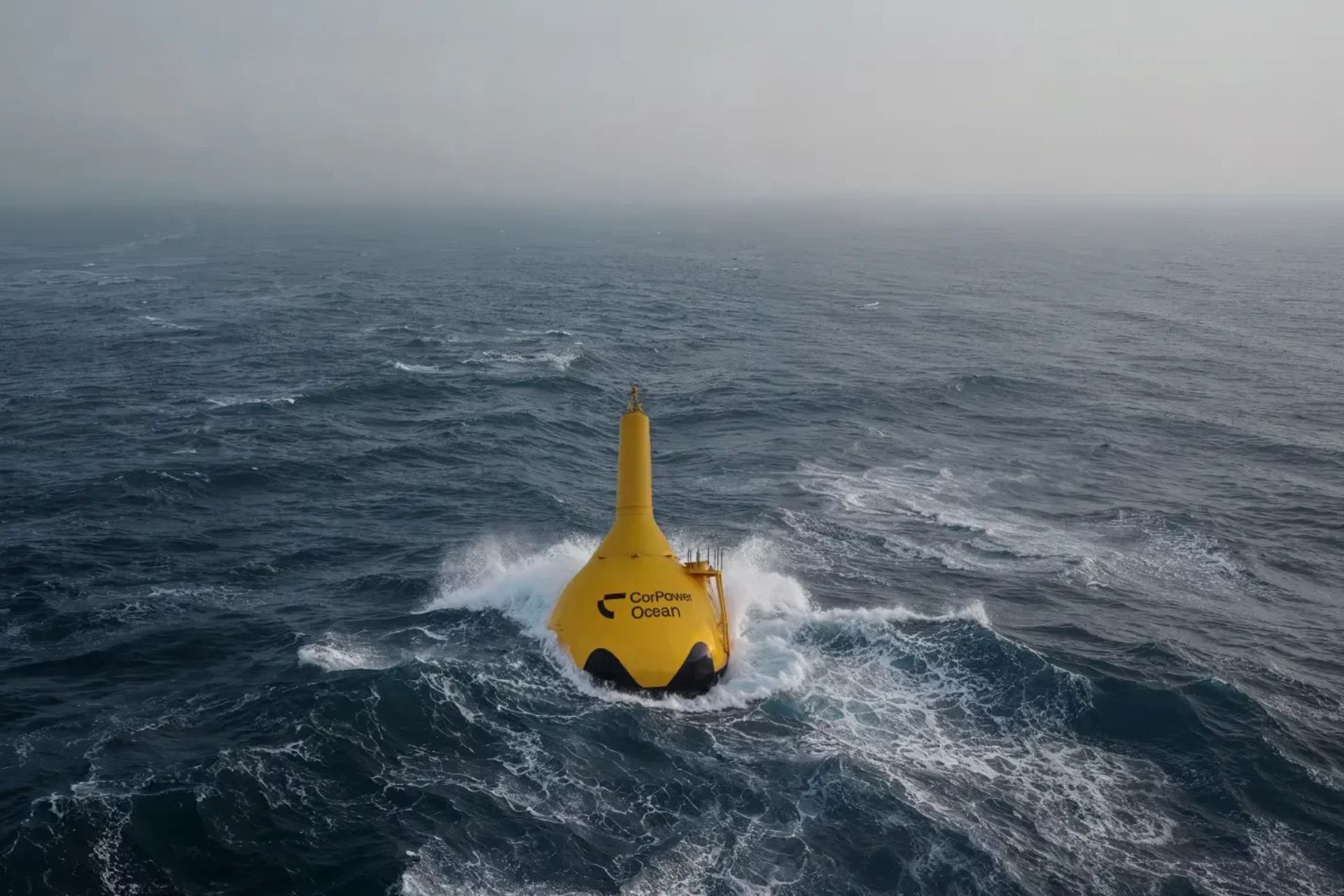
The concept is similar to the way modern wind turbines adjust their blade angles during high winds to protect themselves from damage.
By allowing the buoy to ride through storms instead of fighting them, the company aims to improve both reliability and operating lifespan.
Smarter control through AI and digital twins
CorPower’s wave energy converters are more than mechanical devices.
Each unit continuously monitors incoming wave conditions and uses advanced control software to optimise its performance. The company combines AI-assisted prediction with digital twin technology to forecast wave behaviour, helping the buoy determine when to maximise energy capture and when to protect itself.
According to CorPower, these intelligent control systems can reduce extreme structural loads by 80–90% compared with conventional approaches while improving overall energy production.
This combination of software and mechanical engineering is one of the key reasons the company believes wave energy is now becoming commercially viable.
More energy with less material
Efficiency plays a major role in renewable energy economics.
CorPower says its technology delivers approximately five times more energy per tonne of equipment than conventional wave energy systems, reaching around 10 MWh of annual electricity generation per tonne.
By generating more electricity from a relatively lightweight structure, the company hopes to reduce manufacturing costs, simplify installation and lower maintenance requirements over the lifetime of each device.
These improvements could help wave energy compete more effectively alongside other renewable technologies.
From a single buoy to entire wave farms
Rather than relying on individual devices, CorPower’s long-term vision is to deploy hundreds of interconnected wave energy converters in large offshore arrays known as CorPack wave farms.
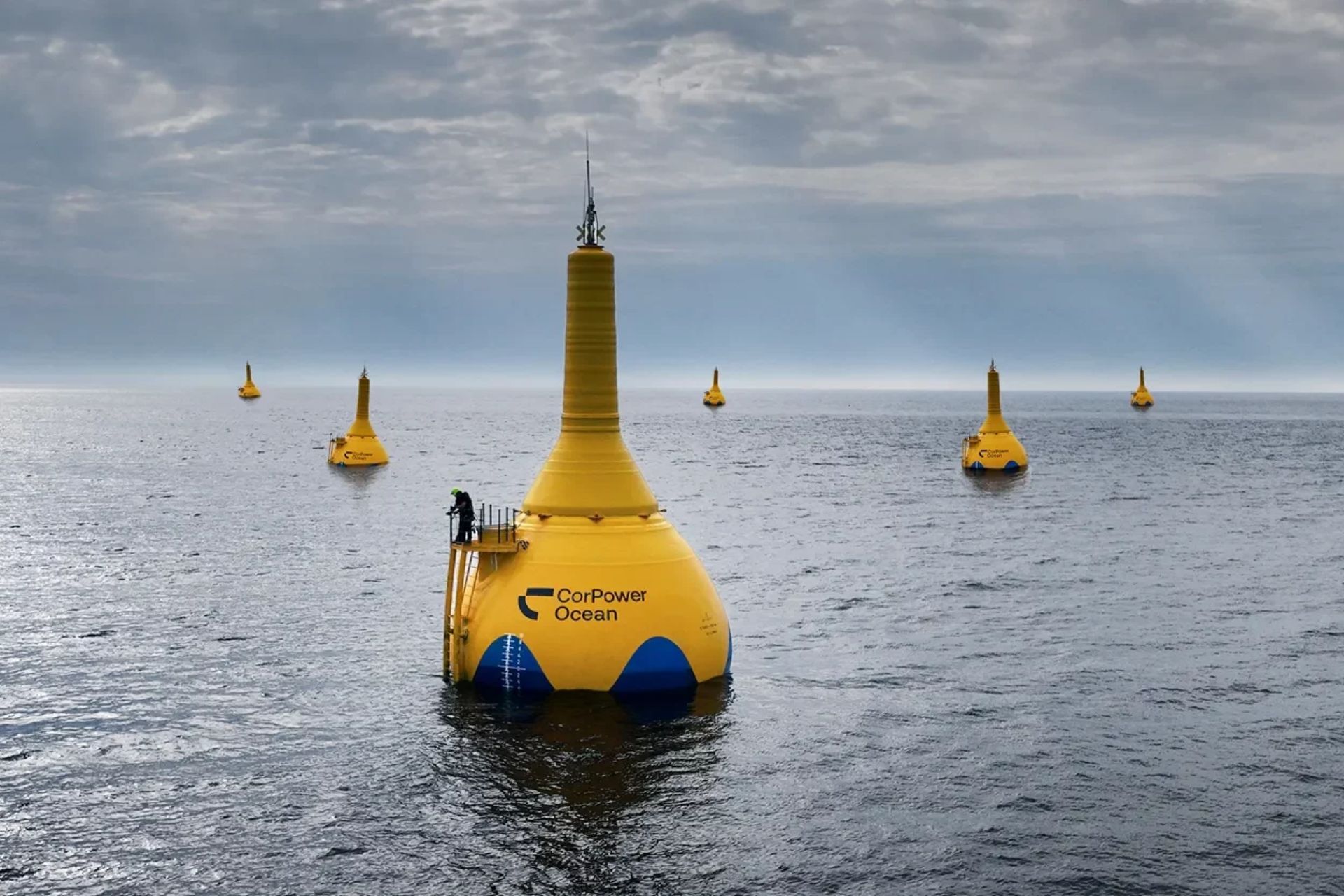
Each buoy operates independently while sharing electrical infrastructure with neighbouring units. Together, these arrays can generate utility-scale amounts of renewable electricity.
The company estimates that CorPack farms can achieve energy densities of up to 15 megawatts per square kilometre, making efficient use of offshore space while producing predictable clean power.
Large wave farms could eventually supply electricity to hundreds of thousands of homes while complementing offshore wind and solar power.
Proving the technology in the Atlantic Ocean
Developing renewable energy technology is one thing; proving it in the real world is another.
CorPower has spent years testing progressively larger prototypes before deploying its full-scale C4 wave energy converter off the coast of Portugal.
The C4 device successfully generated electricity and exported power to the Portuguese national grid while operating in real Atlantic Ocean conditions. It also demonstrated the company’s tuned and detuned operating modes during challenging sea states, including Atlantic waves reaching up to 18.5 metres.
These demonstrations represent an important milestone in moving the technology from research and development towards commercial deployment.
Moving towards commercial projects
Following successful testing, CorPower is now preparing for larger commercial deployments.
Its next-generation C5 wave energy converters are expected to enter deployment from 2026 as part of the company’s commercial expansion strategy.
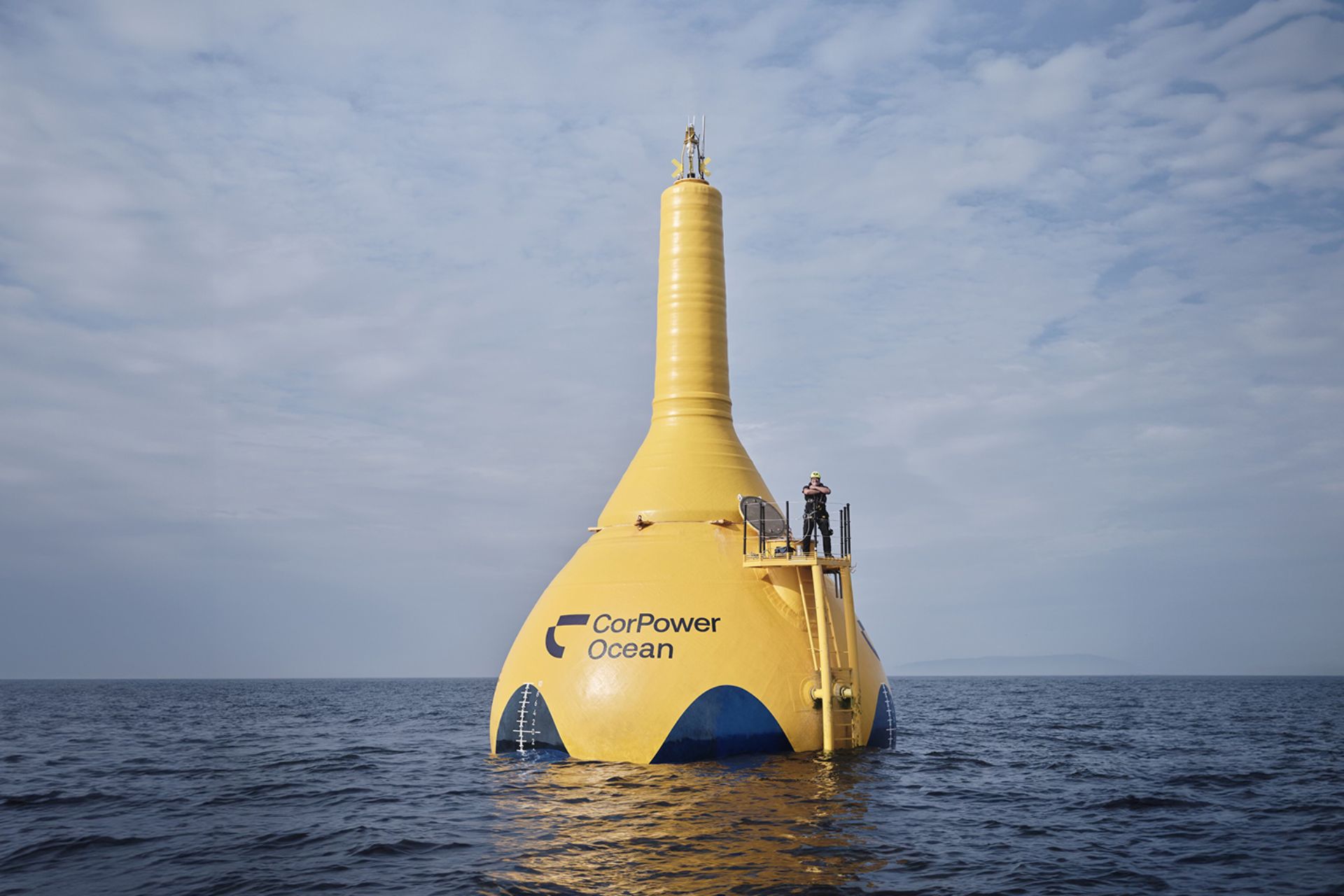
One of the biggest planned developments is the 10 MW VianaWave project in northern Portugal. Supported by a €40 million grant from the European Union Innovation Fund, the project aims to demonstrate wave energy at commercial scale and lay the foundation for future utility-sized installations.
The company is targeting commercial readiness around 2027, when larger wave farms could begin supplying renewable electricity to national grids.
Why wave energy matters
Solar panels generate electricity only during daylight hours, while wind farms depend on favourable wind conditions.
Ocean waves, however, continue moving day and night, often remaining predictable several days in advance. That consistency makes wave energy an attractive complement to existing renewable energy sources rather than a replacement for them.
By combining wave energy with wind and solar, electricity grids could benefit from a more balanced and reliable supply of renewable power.
For countries with long coastlines, wave energy could also reduce dependence on imported fossil fuels while making better use of local natural resources.
A new chapter for ocean renewable energy
Wave energy has promised clean electricity for decades, but commercial success has remained elusive due to the harsh realities of operating in the open ocean.
CorPower Ocean is taking a different approach by combining lightweight engineering, intelligent control systems and adaptive technology that can both maximise power production and protect itself when the sea becomes dangerous.
Its successful full-scale demonstrations in Portugal, growing pipeline of commercial projects and ambitious plans for large offshore wave farms suggest that wave energy may finally be moving beyond experimental prototypes.
If these systems continue to perform as expected, the endless motion of the world’s oceans could become an increasingly important source of reliable, low-carbon electricity—adding another powerful tool to the global transition toward cleaner energy.
Source: CorPower Ocean