For millions of people, a routine blood test begins the same way: a healthcare professional searches for a suitable vein, inserts a needle, collects one or more blood samples, and applies a bandage before sending the samples to the laboratory.
Dutch medical robotics company Vitestro wants to automate that entire process.
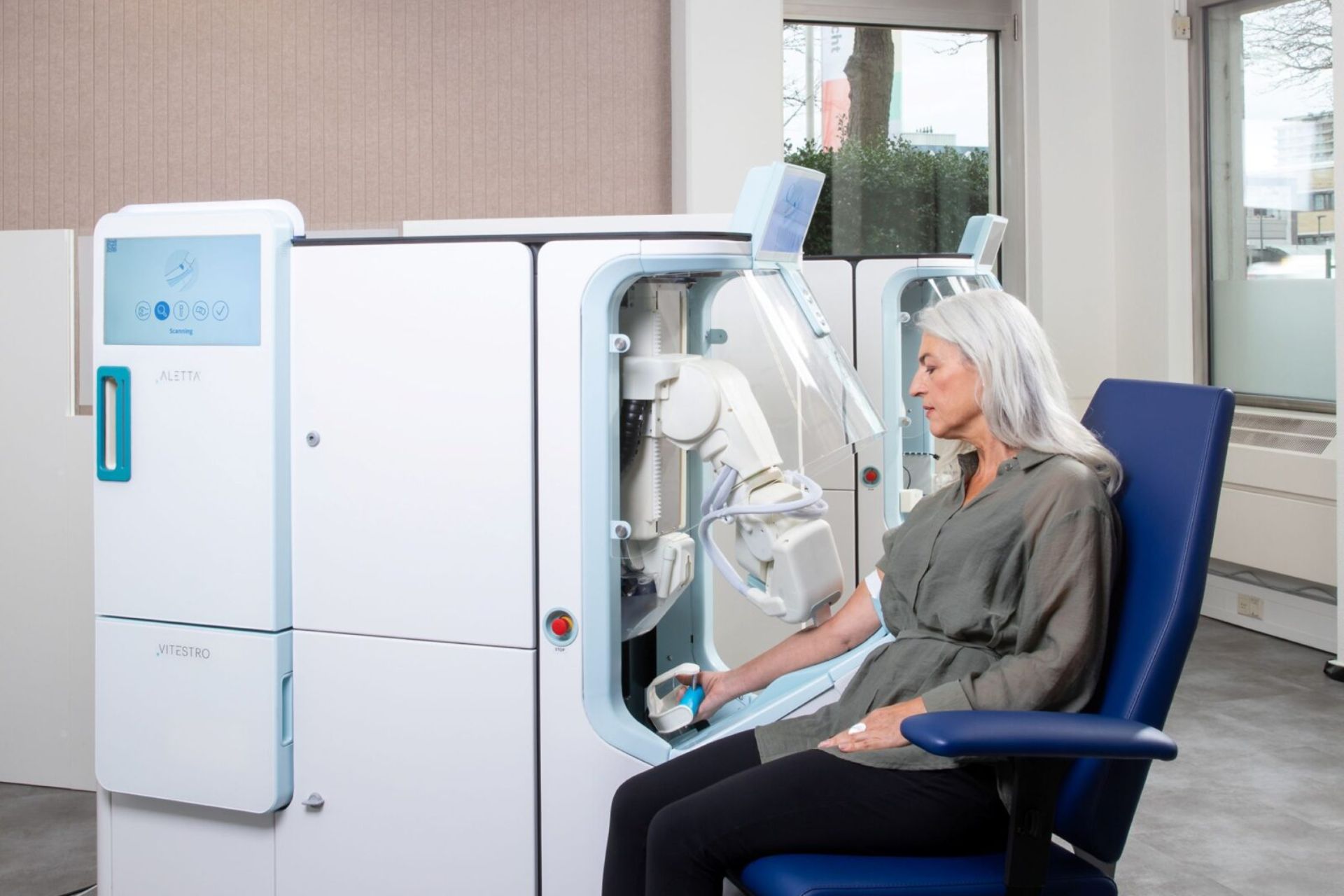
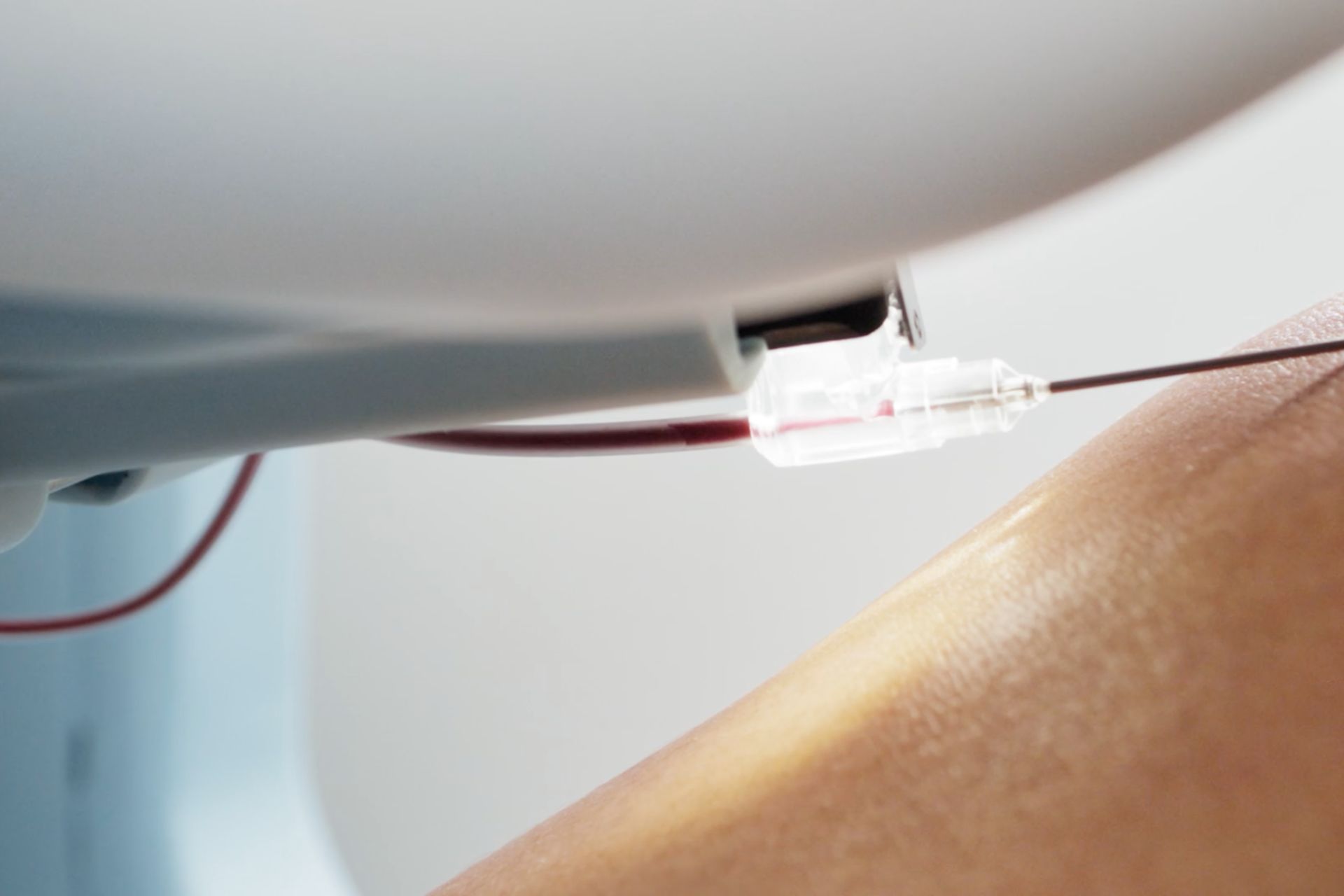
Its latest system, Aletta, is designed to perform a complete blood draw autonomously using artificial intelligence, advanced imaging, and robotic precision. Rather than simply helping clinicians locate veins, Aletta is intended to carry out the full venipuncture workflow—from applying the tourniquet to placing the bandage afterward—while a trained healthcare professional supervises the process.
A new approach to blood collection
Blood collection is one of the most common medical procedures performed worldwide, yet it remains heavily dependent on trained phlebotomists and nursing staff. Hospitals and laboratories also continue to face staffing shortages and increasing patient volumes.
Aletta was developed to help address those challenges by automating routine blood collection while aiming to improve consistency and patient experience. According to Vitestro, the system is designed to reduce workload, improve efficiency, and support high-volume blood draw centers.
How Aletta works
Unlike traditional vein-finding devices that simply highlight veins for clinicians, Aletta is designed to perform the complete blood draw procedure autonomously.
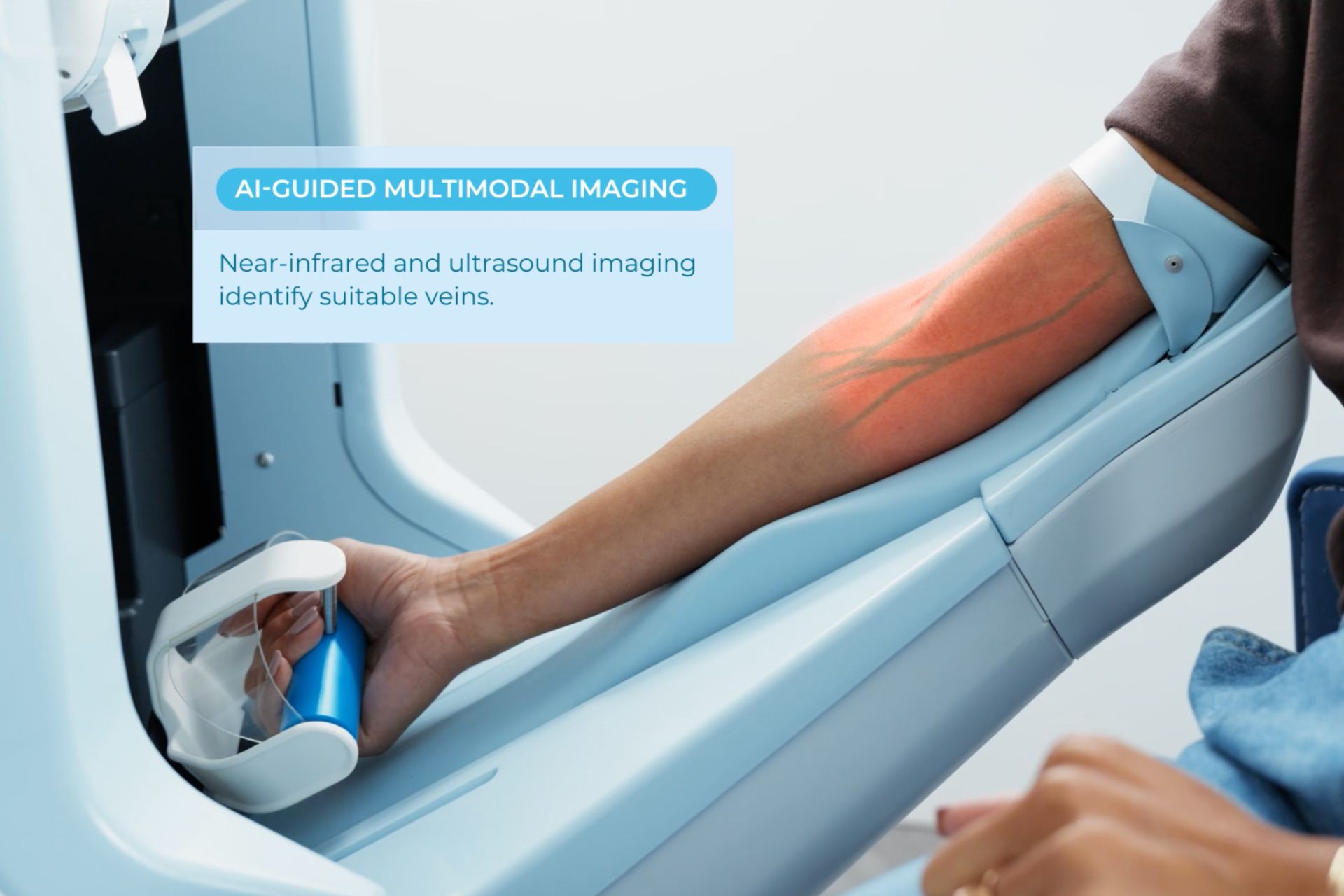
Its workflow includes:
- Identifying a suitable vein
- Robotically inserting the needle
- Changing and automatically inverting blood collection tubes
- Completing the procedure by applying a bandage
To accomplish this, the robot combines several imaging technologies.
First, it uses multimodal imaging, combining near-infrared imaging with ultrasound to locate suitable veins beneath the skin. It then employs Doppler ultrasound to confirm that it has identified a vein rather than an artery before proceeding with the blood draw. Once a suitable target has been confirmed, the robotic system positions and inserts the needle with submillimeter precision.
By automating these critical steps, Vitestro says Aletta aims to reduce variability between procedures while supporting more standardized laboratory workflows.
Built for busy hospitals and laboratories
One of Aletta’s primary goals is to help healthcare facilities manage increasing workloads without replacing human oversight.
Vitestro envisions a workflow where one trained supervisor can oversee up to three Aletta devices simultaneously, allowing multiple patients to be processed in parallel while maintaining clinical supervision. This could be particularly valuable in busy outpatient blood collection centers and hospital laboratories where staffing shortages can create bottlenecks.
The company also says Aletta is intended to:
- Reduce workload for healthcare staff
- Improve operational efficiency
- Deliver more consistent blood collection procedures
- Help shorten patient wait times
- Enhance the overall patient experience
Clinical trial results
Vitestro highlights encouraging results from the published EU ADOPT clinical trial.
Among the reported outcomes:
- 94.5% first-stick success rate, meaning the robot successfully accessed the vein on the first attempt in the vast majority of procedures.
- 90% of patients reported that the pain experienced during the robotic blood draw was less than or similar to a manual blood draw.
- 82% of patients either preferred Aletta or had no preference between the robotic system and a conventional manual procedure.
- 0.6% mild adverse events, with no moderate or serious adverse events reported during the published trial.
While additional real-world data will continue to emerge as deployment expands, these early clinical results suggest that autonomous robotic blood collection may become a practical option for routine venipuncture.
More than just a robot arm
One of Aletta’s distinguishing features is that it is not simply a robotic arm holding a needle.
The system combines:
- Artificial intelligence
- Computer vision
- Near-infrared imaging
- Ultrasound
- Doppler ultrasound
- Precision robotic needle guidance
Together, these technologies allow the system to identify an appropriate vein, verify it safely, perform the collection, and complete the procedure with minimal human intervention.
This integrated workflow is what differentiates Aletta from earlier robotic phlebotomy research projects, many of which still relied on clinicians to complete portions of the procedure.
Regulatory status
Aletta has received CE Mark certification for use within the European Union.
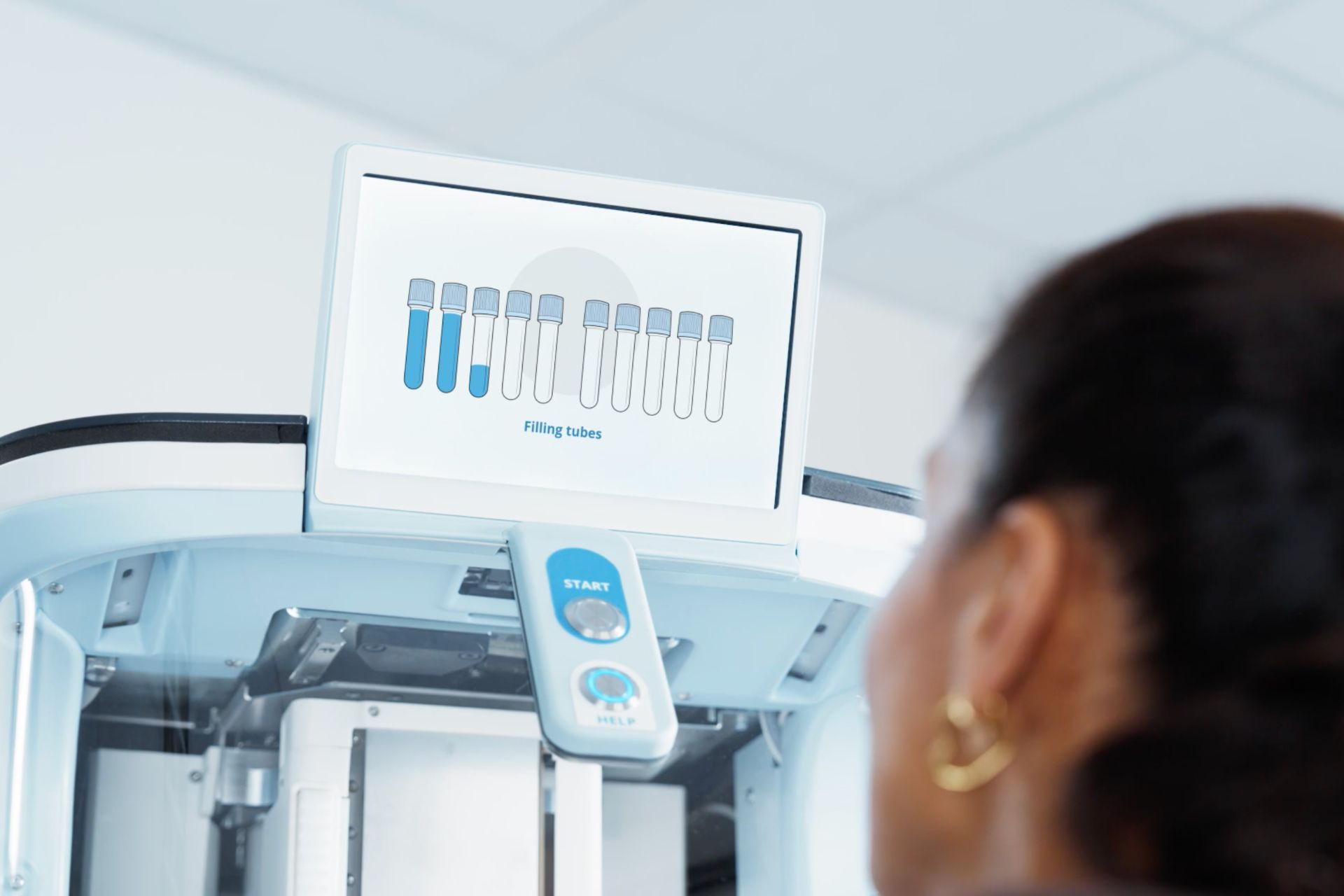
Vitestro states that the system has achieved CE certification and is currently being used in clinical trials as commercialization progresses.
Availability outside Europe will depend on regulatory approvals in each market.
The future of routine blood tests?
Automation has already transformed many areas of laboratory medicine, from sample analysis to logistics and data management.
Blood collection, however, has largely remained a manual task requiring skilled healthcare professionals.
If systems like Aletta continue to demonstrate strong clinical performance, they could eventually become an important tool for hospitals seeking to improve efficiency while maintaining patient safety and consistent procedures.
Rather than replacing healthcare workers entirely, autonomous blood collection systems may allow clinical staff to focus on more complex patient care while routine blood draws are performed under supervision.
Whether robotic phlebotomy becomes commonplace remains to be seen, but Aletta represents one of the clearest examples yet of how artificial intelligence and robotics are beginning to automate even the most familiar medical procedures.
Source: Vitestro