Natural daylight can completely transform a room, making it feel brighter, more welcoming, and more comfortable. Unfortunately, spaces such as basements, underground offices, interior corridors, and windowless rooms often have to rely entirely on artificial lighting.
Dayluxa has developed a system designed to change that. Instead of trying to imitate daylight with LEDs, the company captures actual sunlight on a rooftop and transports it deep inside a building using fiber-optic cables. The result is genuine natural sunlight reaching places that would otherwise never see it.
While the concept sounds futuristic, it relies on a combination of well-established optical technologies working together.
It starts by collecting sunlight
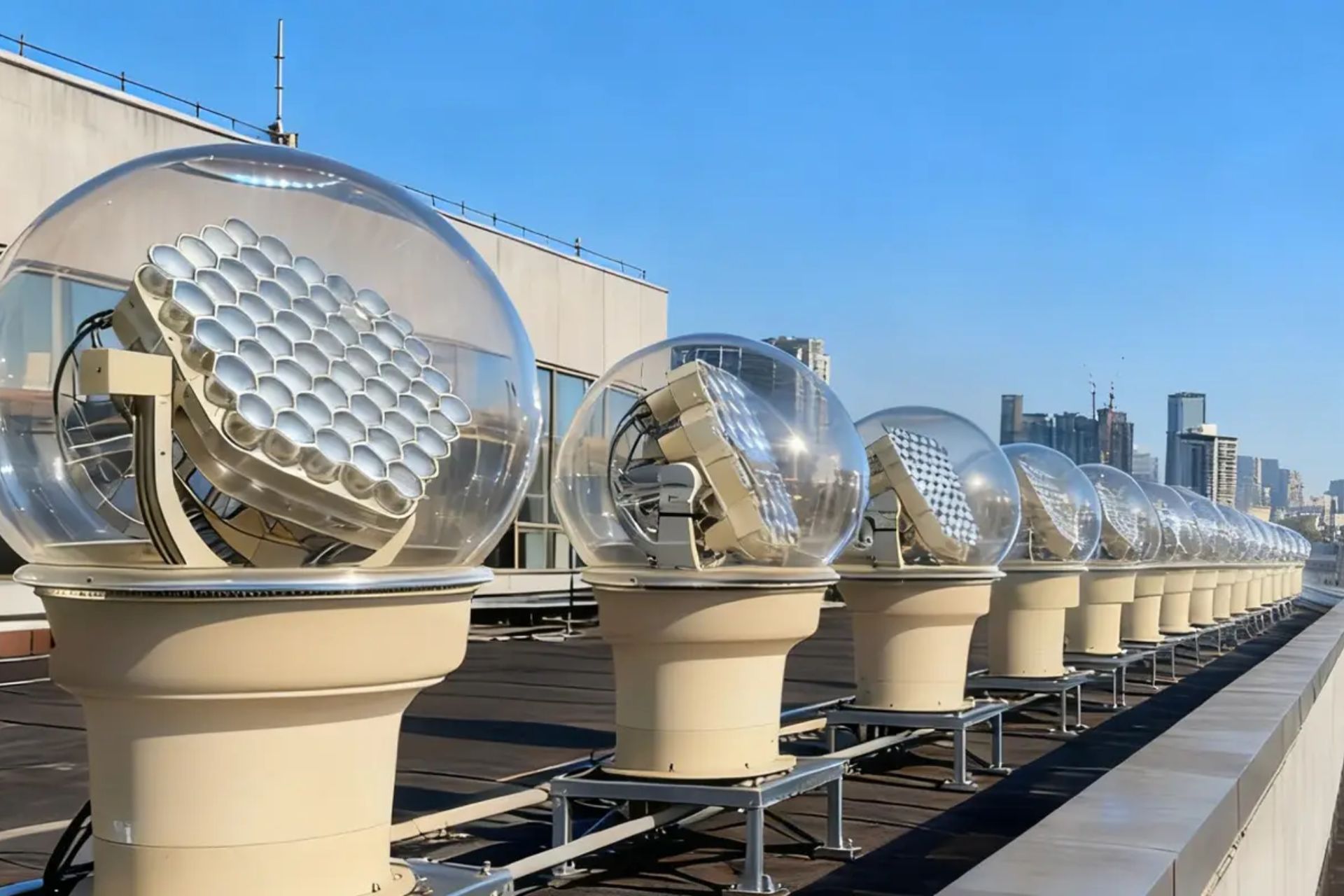
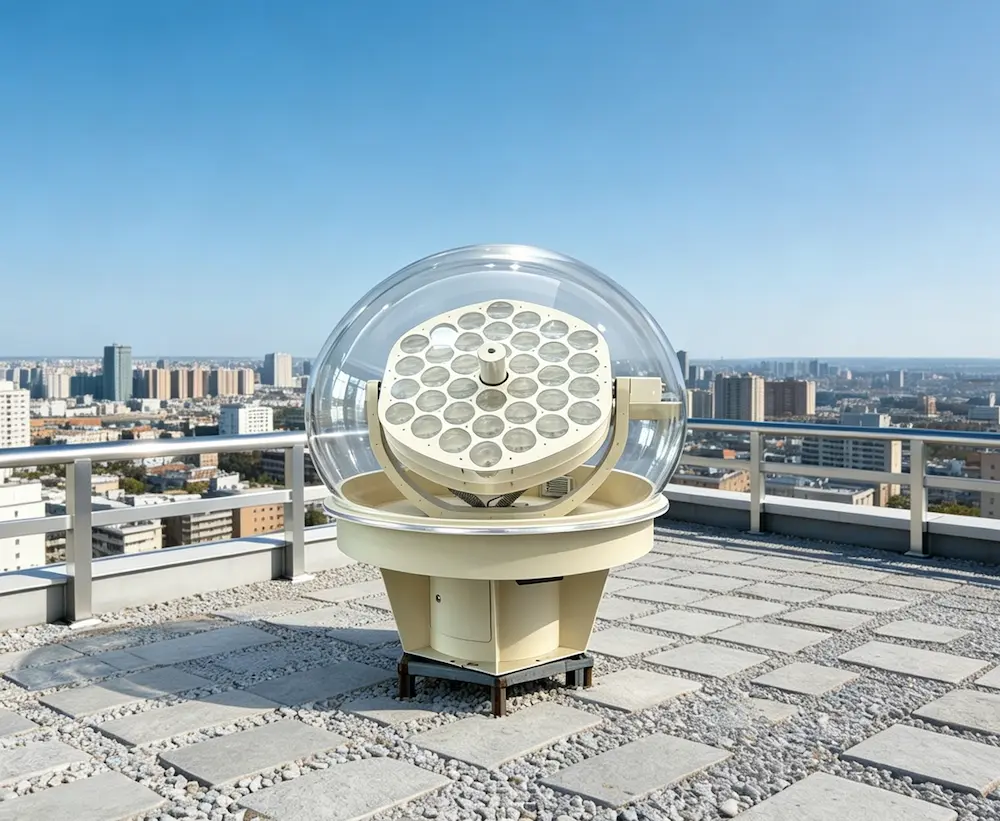
The journey begins on the roof, where a solar collector continuously tracks the sun throughout the day. Unlike a fixed skylight, the collector uses dual-axis GPS-assisted tracking together with astronomical positioning algorithms to keep itself aligned with the sun as it moves across the sky.
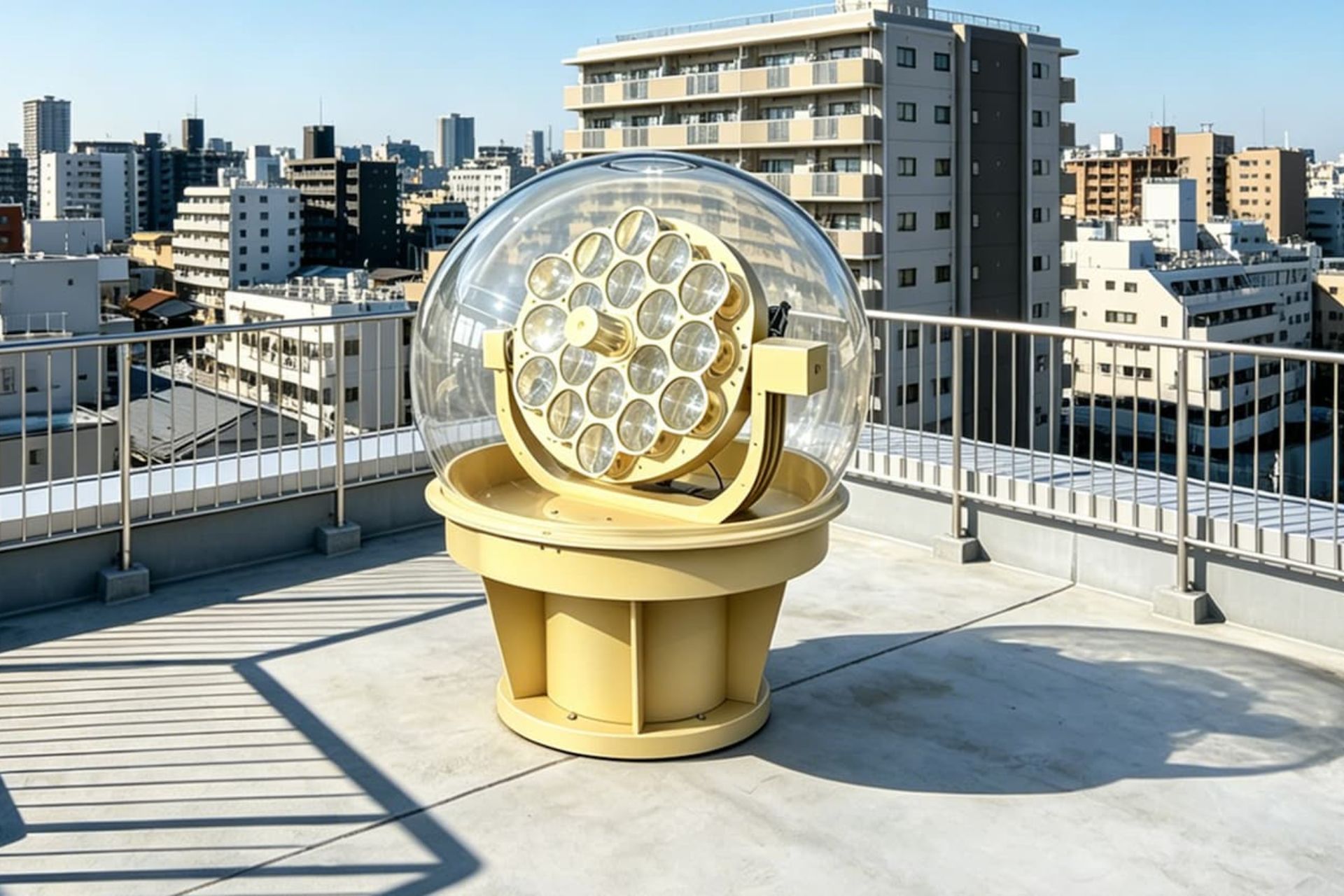
Once aligned, an array of precision Fresnel lenses concentrates incoming sunlight into highly focused beams before directing them into optical fibers. According to Dayluxa, this tracking system is designed to maximize the amount of sunlight captured throughout the day while maintaining consistent alignment even after temporary cloud cover.
Transporting sunlight instead of electricity
Rather than converting sunlight into electricity, the system transports the light itself.
Each concentrated beam enters a high-purity quartz optical fiber specially designed for daylight transmission rather than telecommunications. These large-core fibers guide sunlight through the building much like internet fiber carries data, except in this case the payload is natural daylight.
The optical fibers are engineered with a large 1,500-micrometer core and are optimized for transmitting the solar spectrum while remaining flexible enough for installation throughout buildings. They are also designed to operate across a wide temperature range, making rooftop installations practical in varying climates.
According to Dayluxa, its systems can transport sunlight over distances of up to 100 meters (328 feet), allowing daylight to reach locations far removed from exterior walls or windows.
Turning concentrated sunlight into comfortable indoor lighting
The light emerging from the fiber is highly concentrated, so it cannot simply be pointed into a room.
Instead, diffuser terminals spread the incoming light into a softer, more even illumination that resembles daylight entering through a window. Because the light itself is genuine sunlight rather than an artificial source, it retains the natural color quality associated with outdoor daylight.
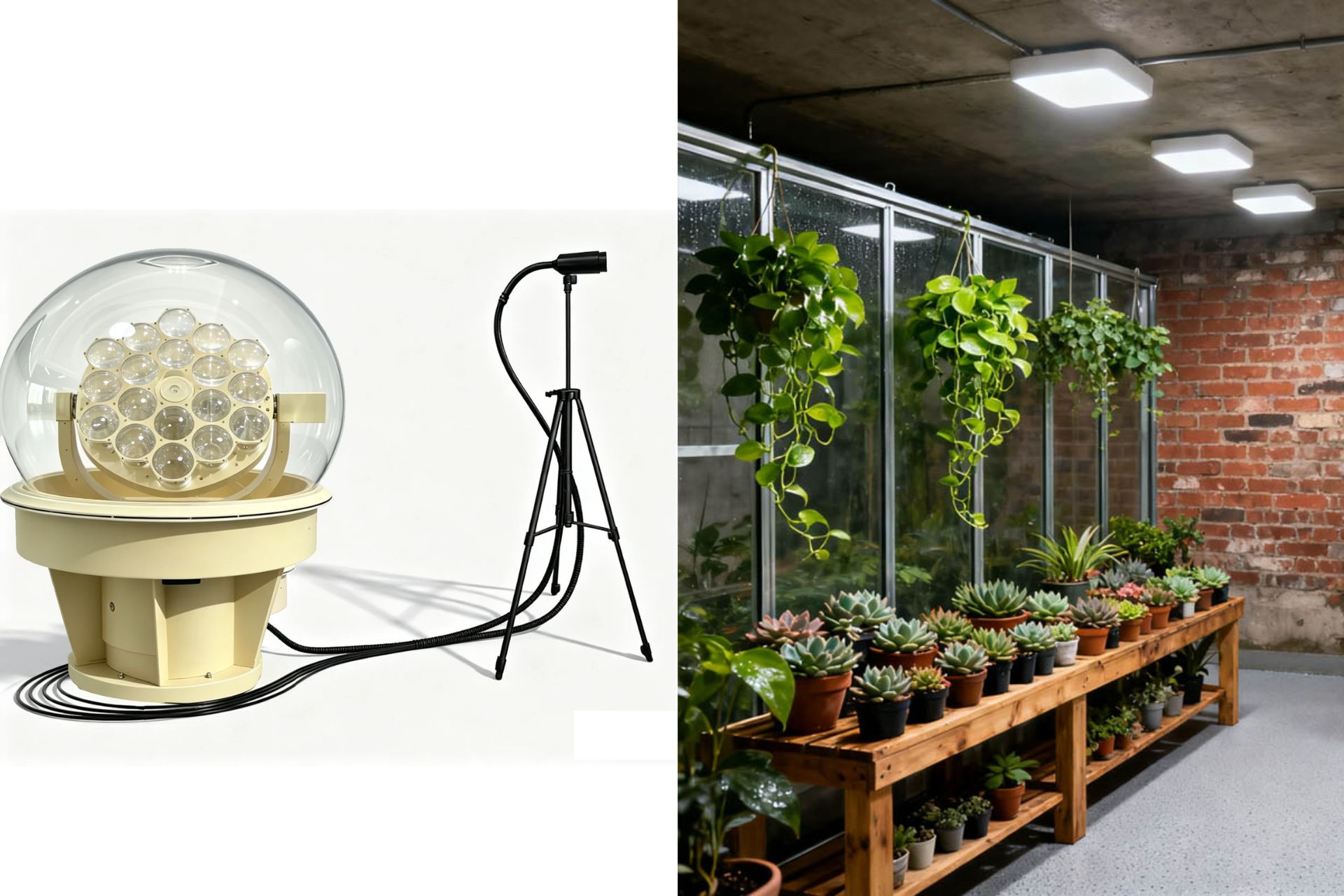
Unlike conventional lighting, no LED, fluorescent lamp, or other electrical light source is responsible for producing the illumination itself. The system simply captures, guides, and redistributes existing sunlight.
Real sunlight instead of simulated daylight
One of Dayluxa’s biggest selling points is that it delivers actual sunlight instead of attempting to reproduce it electronically.
The company states that its system achieves 99.2% Solar Spectral Index (SSI), meaning the transmitted light closely matches the spectrum of natural daylight. It also reports a Color Rendering Index (CRI) of 100, allowing colors to appear much as they would under direct sunlight. These are company-provided specifications intended to demonstrate how closely the transmitted light resembles natural daylight.
Because the light remains genuine sunlight, optical effects such as natural rainbow dispersion can still occur—something that artificial lighting generally cannot replicate.
How much light reaches the room?
The amount of illumination depends on factors including outdoor sunlight, fiber length, and the distance between the diffuser and the area being lit.
Dayluxa publishes measured performance figures showing that under approximately 150,000 lux of outdoor daylight, a 50-meter fiber can provide around 800 lux at a one-meter lighting distance. For comparison, the company notes that a typical office is commonly illuminated to around 400 to 500 lux, meaning the system may provide comparable daytime lighting under favorable conditions. As fiber length increases, light output naturally decreases, with lower illuminance measured after 100 meters of transmission.
Different models for different buildings
Dayluxa offers several system sizes depending on the amount of daylight required.
The flagship DY60 features 60 collection lenses covering approximately 0.47 square meters (5.1 sq ft) and can support up to 20 luminaires. The smaller DY36 uses 36 lenses across about 0.28 square meters (3.0 sq ft) and supports up to 12 luminaires.
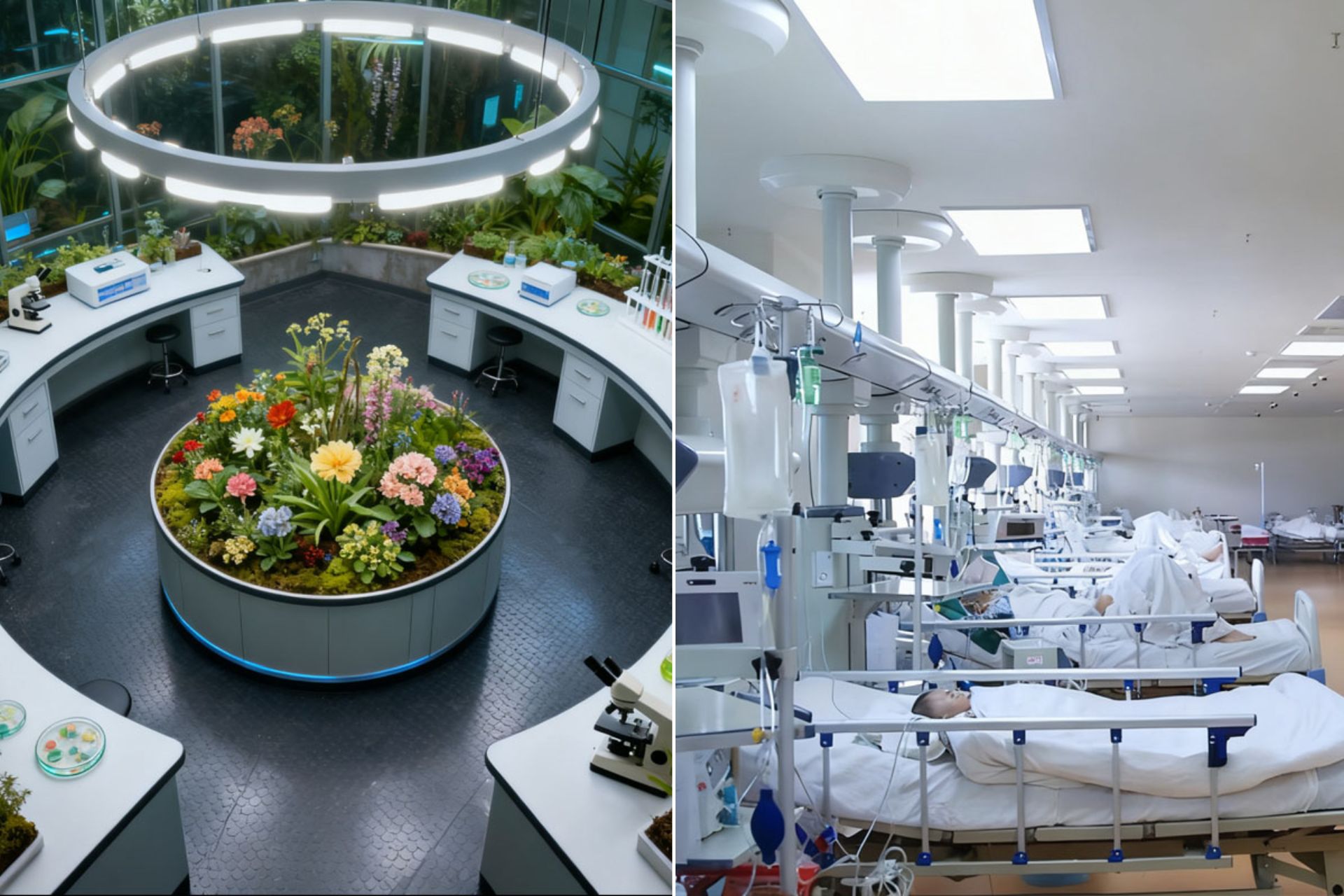
Additional models include the DY18, DP12, and DP06 for progressively smaller installations. The company recommends selecting a model based on room size, ceiling height, and the desired illumination level.
Where could it be used?
Although the basement demonstration attracts the most attention, the technology has a much wider range of potential applications.
Dayluxa highlights uses including:
- Basements and underground living spaces
- Interior rooms without windows
- Office corridors
- Warehouses and industrial facilities
- Public buildings
- Museums and art galleries
- Laboratories
- Aquariums
- Indoor gardens and greenhouses
In environments such as museums, the company says the system can deliver filtered natural daylight while limiting harmful ultraviolet radiation and excess heat. In aquariums and indoor gardens, the goal is to provide natural-spectrum lighting that better resembles outdoor conditions.
Not a replacement for every light
As impressive as the technology is, it does have practical limitations.
Since the system depends on available sunlight, performance naturally varies with weather conditions, the season, and the time of day. It also cannot provide daylight at night, meaning buildings still require conventional lighting as a backup.
Installation is also considerably more complex than replacing existing light fixtures, as rooftop collectors, fiber routing, and indoor diffuser installations must all be integrated into the building.
For projects where access to genuine daylight is especially valuable, however, the system offers an intriguing alternative to relying solely on artificial lighting.
Bringing the outdoors inside
Fiber-optic daylighting has existed for years, but companies such as Dayluxa are helping push the concept further by combining precision solar tracking, Fresnel optics, and large-core quartz fibers into complete building-lighting systems.
Instead of generating light electronically, the technology simply borrows what nature already provides and delivers it where conventional windows cannot.
For architects, engineers, and homeowners looking to brighten underground spaces, it offers a fascinating glimpse at how future buildings could make better use of one of Earth’s oldest—and free—sources of illumination.
Pricing & availability
Dayluxa has not publicly disclosed pricing for its fiber-optic daylighting systems. Because installations are customized based on factors such as building size, collector model, fiber length, and the number of indoor luminaires required, costs are provided on a project-by-project basis.
The company currently offers multiple system sizes—including the DY60, DY36, DY18, DP12, and DP06—to suit different applications ranging from residential basements to larger commercial and institutional buildings. Interested customers can contact Dayluxa directly to discuss project requirements and request a customized quotation.
Source: Dayluxa