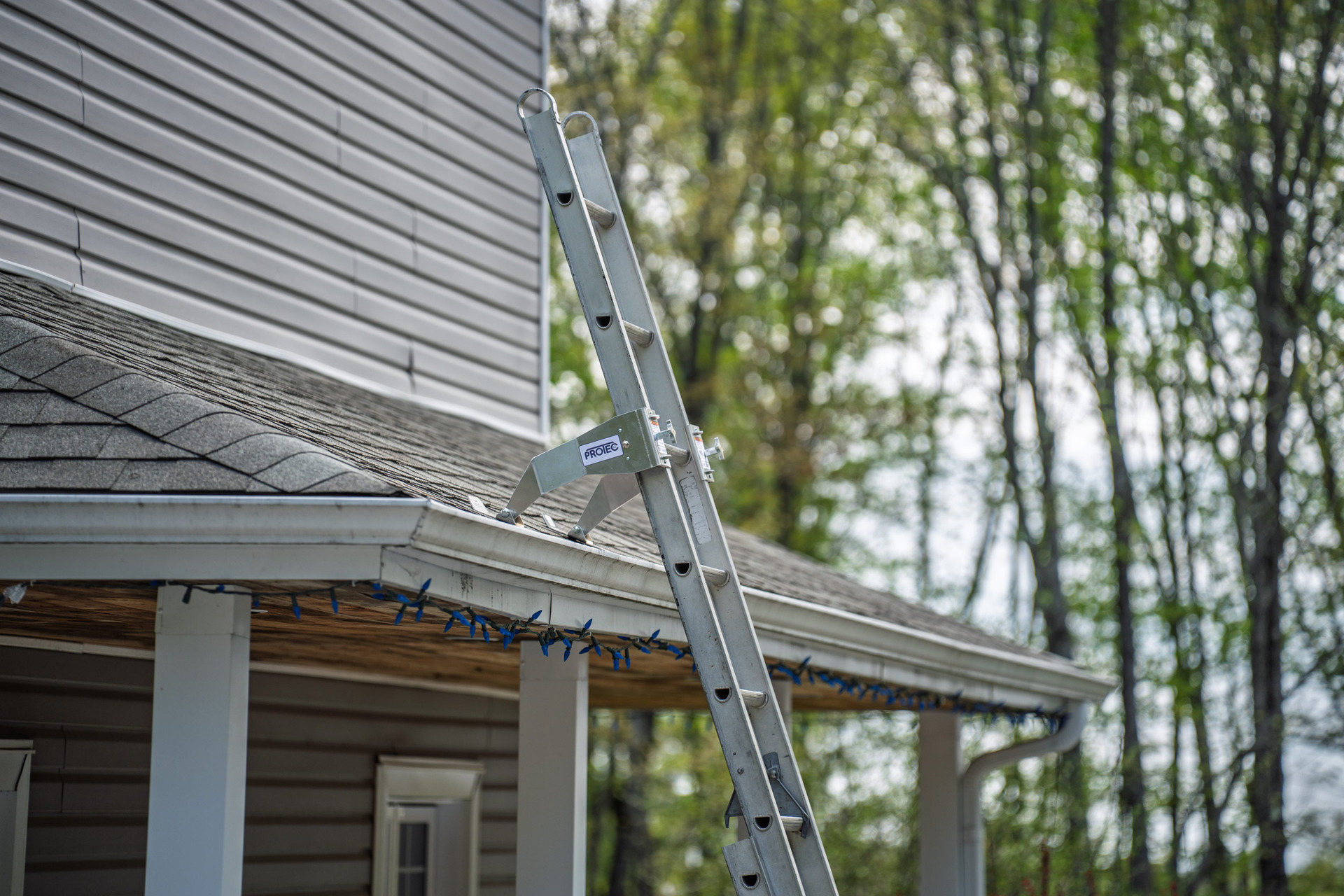
Extension ladders can feel reassuringly solid while no one is on them, only to shift when a person begins climbing. One particularly dangerous movement happens at the top: the ladder can slide sideways or kick away from the building before the worker reaches a position where it can be secured.
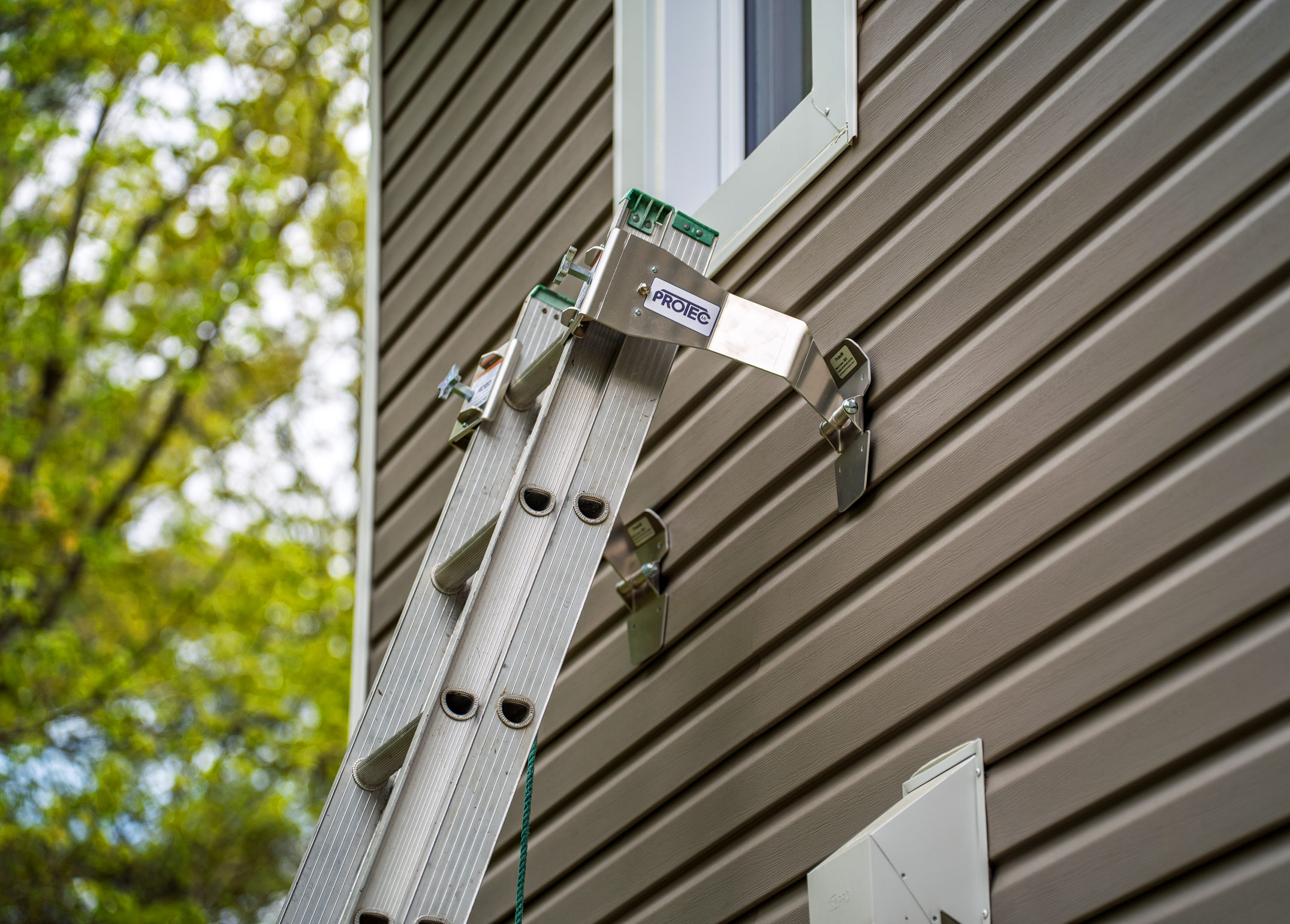
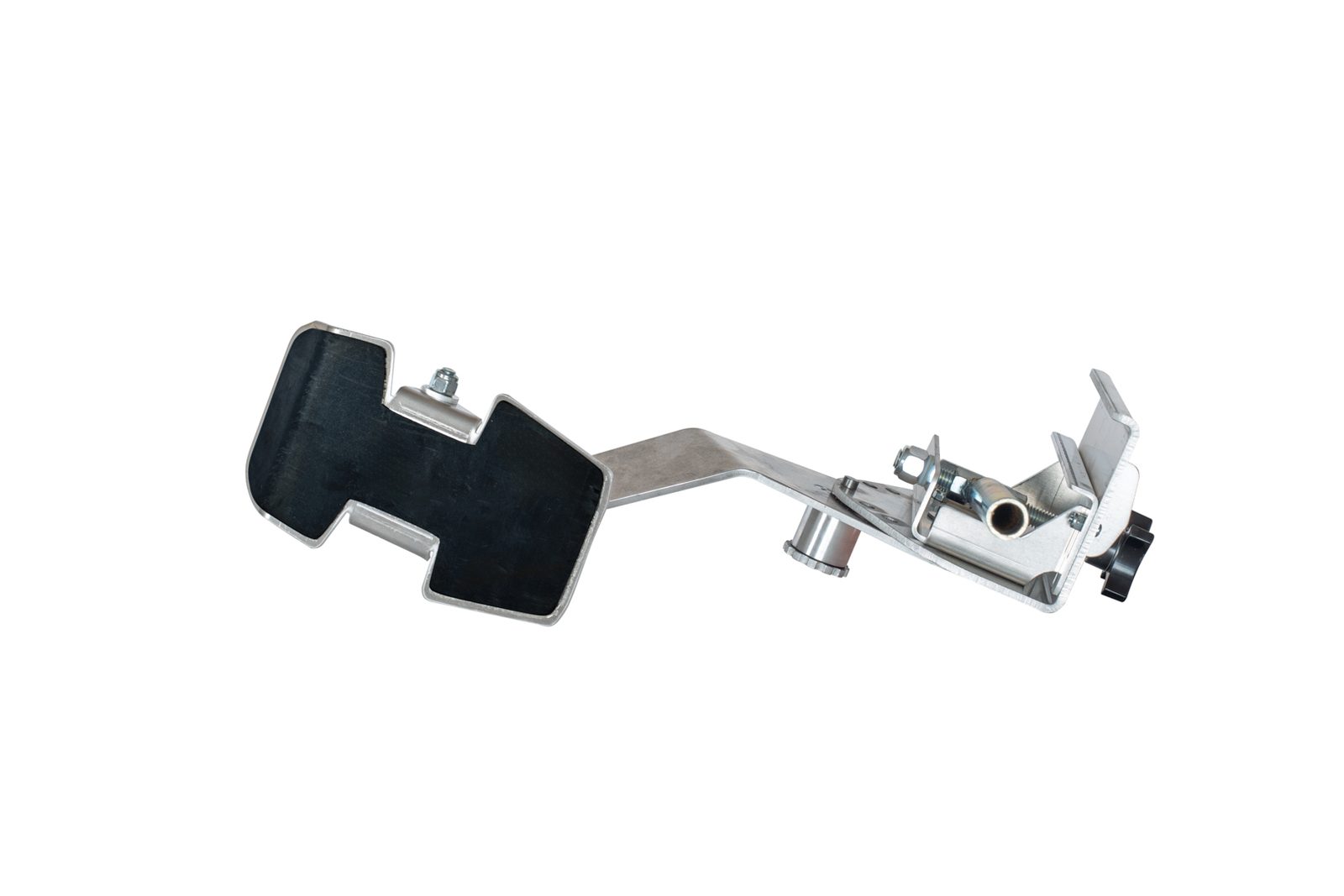
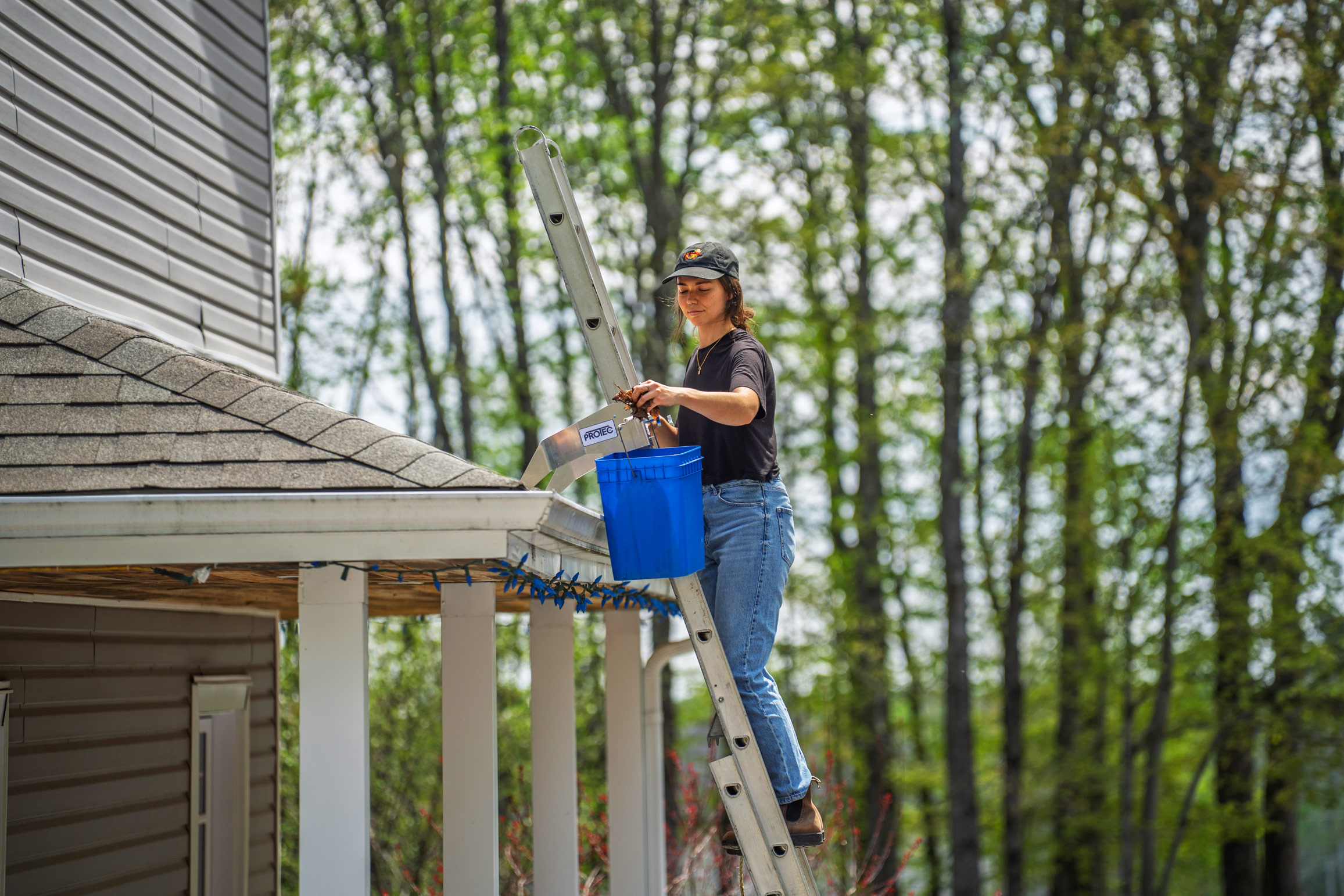
ProtecMi, a company based in Joliette, Quebec, has developed an attachment intended to give the upper end of an extension ladder a broader, more secure point of contact. Instead of using a single stabilizer bar across the ladder, its system consists of two aluminum arms that extend from the open ends of one rung. Each arm ends in a wide, padded foot that can rest against a wall, roof or parapet.
The result is a larger contact area that helps limit lateral movement while spreading pressure across the supporting surface. It can also keep the ladder itself away from gutters, siding and roof edges that might otherwise be marked or damaged.
How the ProtecMi stabilizer attaches
ProtecMi says its two stabilizer models fit most aluminum and fiberglass extension ladders with hollow, open-ended horizontal rungs. That qualification is important: the system should not be described as compatible with every ladder.
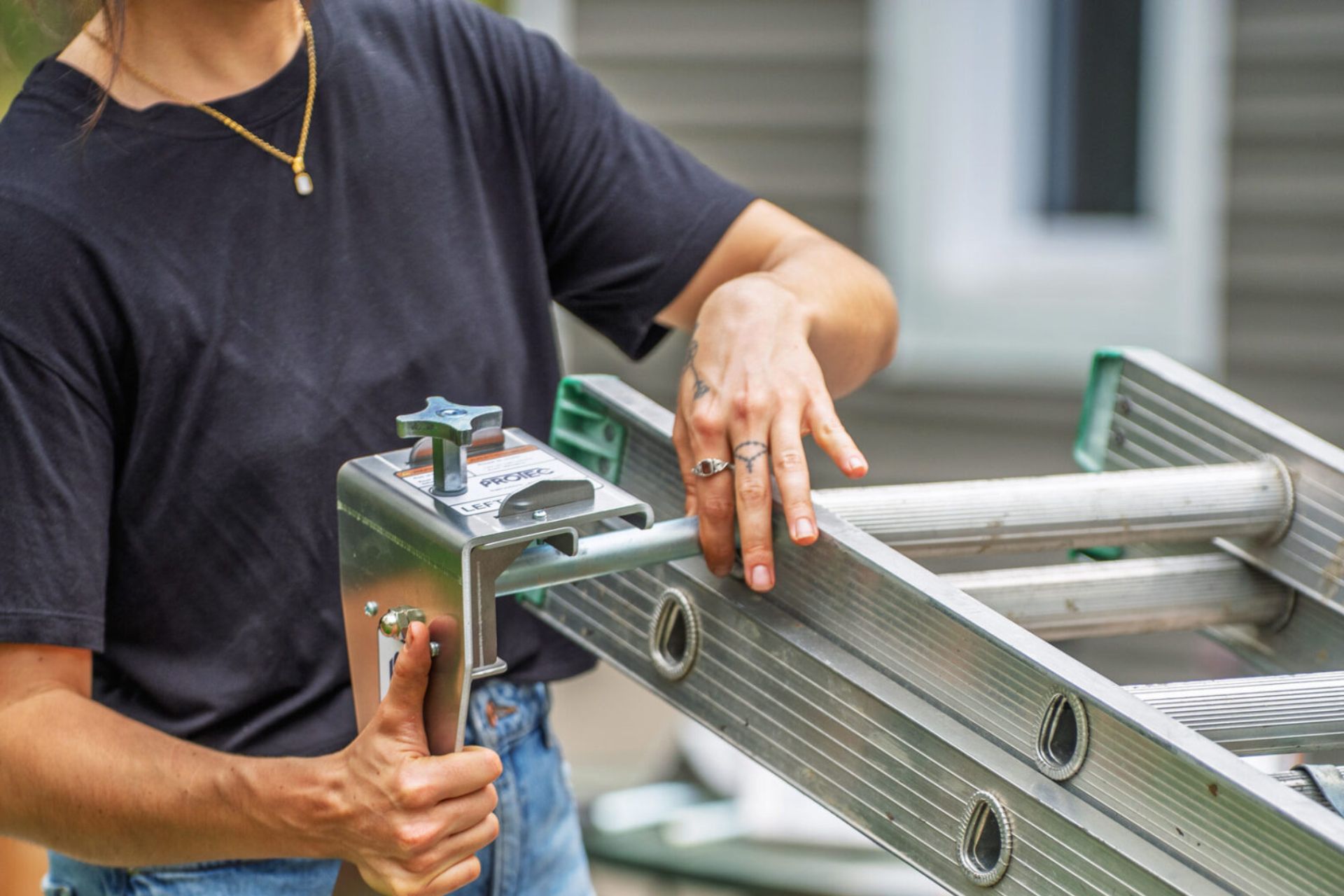
During the initial setup, the ladder is laid horizontally and the stabilizer rods are inserted into opposite ends of the third rung from the top of its movable section. Clamps are then adjusted to the ladder’s width and tightened against its side rails. This first adjustment requires basic hand tools, but ProtecMi says it only needs to be completed once.
After being configured for a particular ladder, the stabilizers can reportedly be installed in less than two minutes without permanently modifying it. They may also remain fitted during transport when their arms are placed in the designated storage position.
Two versions for different kinds of work
The residential model uses a fixed arm geometry with removable feet. Its simpler construction reduces the number of moving parts and is aimed at homeowners, property maintenance and lighter contracting jobs. ProtecMi lists it for gutters, residential roofs, window cleaning, interior maintenance and work against vinyl, wood, aluminum or brick cladding.
The professional model adds a multi-position angle selector. Depending on the selected position, its feet can bear against a vertical wall, sit on a flat or pitched roof, or engage a roof parapet. It also has folded positions for storage and transport. Both arms must always be placed at the same setting before the ladder is used.
ProtecMi publishes a rated capacity of 500 lb (227 kg) for the residential set and 1,200 lb (544 kg) for the professional set. Those figures apply to the stabilizers—not necessarily to the ladder. Users must continue to observe the ladder manufacturer’s lower working-load limit.
Wide pads protect the supporting surface
The arms are made from aluminum, which combines corrosion resistance with manageable weight. ProtecMi says it uses aluminum sourced in Quebec and manufactures the stabilizers locally.
At the working end of each arm is a replaceable, non-slip pad. Its broad surface distributes the force over a larger area than the end of a ladder rail would, helping protect shingles, roof membranes, metal panels and cladding. The pad can be removed and replaced if it becomes worn or damaged.
The adjustable professional model is designed for more varied commercial conditions, including roof parapets and confined areas where the ladder cannot rest directly against a conventional wall. ProtecMi’s instructions specify a minimum parapet width of 15 cm (5.9 in) for that configuration.
Roof use still requires fastening
Although the padded feet appear to provide substantial contact with a roof, the adjustable model’s instruction manual does not tell users simply to rest them there. For its roof and parapet configurations, the manual directs the user to secure each foot with four No. 12 screws.
That detail matters for both safety and waterproofing. Anyone working on a finished roof should follow the current manual and confirm how the fasteners affect the roofing material or warranty. A stabilizer also does not replace legally required fall protection, correct ladder positioning or safe climbing practices.
ProtecMi’s instructions tell users to inspect the system before every use, ensure its pins and handles are fully engaged and keep both arms in matching positions. The ladder should extend at least three rungs beyond the roof edge, and users should not stand on the stabilizer or on rungs above it. The manual also specifies a minimum distance of 14 ft (4.3 m) from electrical lines.
Testing, recognition and warranty
ProtecMi says the adjustable professional design received a Grands Prix santé et sécurité du travail award from Quebec’s CNESST before it reached the market. Its published instruction sheet also states that the adjustable stabilizer meets ANSI-ASC A14.8-2013 and identifies it as Type IA, Extra Heavy Duty.
The current website additionally says the professional model meets “US Fire Department/Ladder Safety standards,” but it does not name a specific fire department, test protocol or certification document. That claim is therefore best presented as the manufacturer’s description rather than a separately verified certification.
Routine maintenance consists mainly of checking for damage and cleaning the stabilizers with water and mild soap. Corrosive cleaners, painting, unauthorized modifications and third-party repairs are not permitted under the published instructions.
The manufacturer provides a one-year limited warranty covering defects in materials and workmanship for the original purchaser. Normal wear, incorrect installation, overloading, misuse, modifications and unauthorized repairs are excluded.
Pricing and availability
ProtecMi’s Canadian online store currently displays the residential stabilizer set at $255 and the professional set at $450. The product pages do not clearly label the currency, so buyers outside Canada should confirm the final currency and total during checkout. Professional orders of five or more receive a $50 discount per set.
The company ships throughout Canada and the United States and says orders are normally dispatched within 72 hours. US customers are responsible for customs duties and import charges collected by the carrier. Replacement non-slip pads and metal handles are available separately.
ProtecMi does not make climbing a ladder risk-free, and it cannot compensate for an unsuitable ladder, poor setup or missing fall protection. What it offers is a thoughtfully engineered way to widen and control the ladder’s upper contact points—precisely where an otherwise stable-looking ladder can begin to move.
Source: ProtecMi