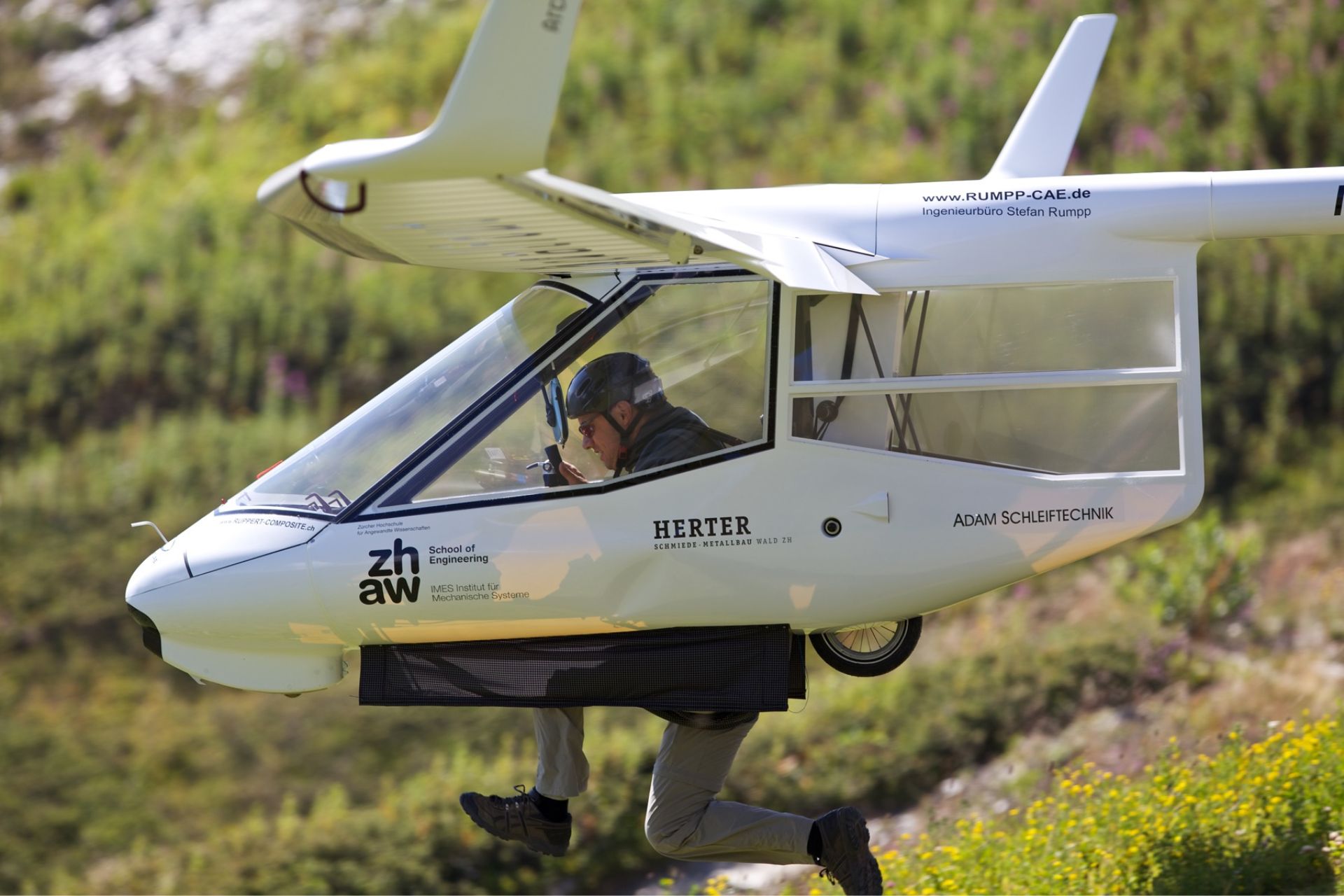
Watching someone sprint a few steps before lifting gracefully into the sky almost feels like watching human flight become reality. Yet that’s exactly what the Ruppert Archaeopteryx was designed to do. Neither a traditional hang glider nor a conventional sailplane, this remarkable Swiss aircraft combines the simplicity of foot launching with the performance and handling of a high-tech glider.
Built almost entirely from lightweight composite materials, the Archaeopteryx has earned a reputation as one of the most distinctive aircraft in recreational aviation. It offers multiple launch options, exceptional soaring performance, and even an optional electric propulsion system—all while weighing just 61 kilograms (134 pounds) in its lightest configuration.
A different kind of flying machine
At first glance, the Archaeopteryx looks like a sleek sailplane with unusually long wings. But unlike most gliders that require an airfield and tow aircraft, this one was engineered to operate with remarkable flexibility.
The aircraft is often described as a hybrid between a rigid-wing hang glider and a sailplane. Pilots can launch it on foot from a suitable slope, much like a hang glider, yet once airborne, it is flown using conventional aircraft controls from a seated cockpit.
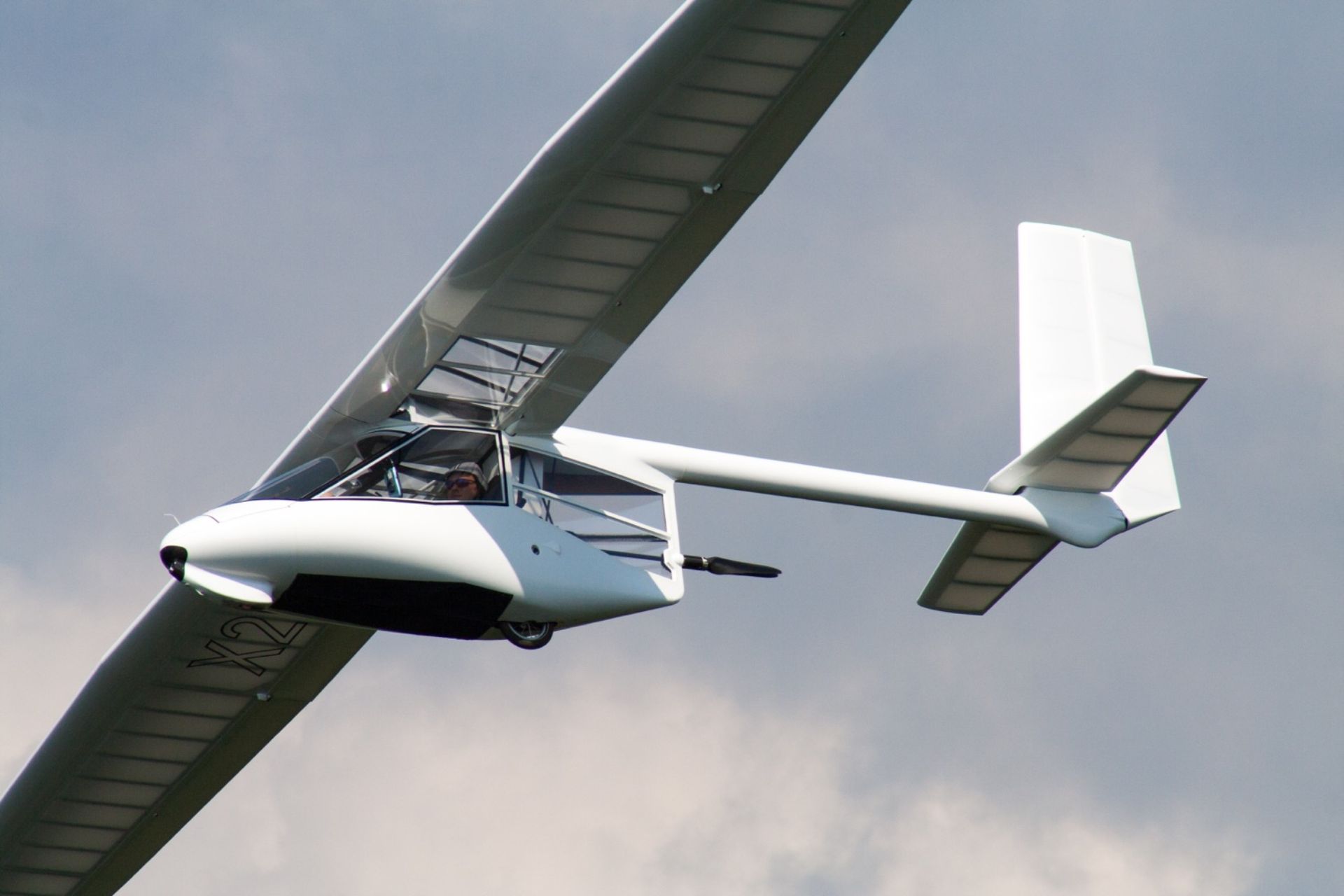
That unique combination gives pilots the freedom of free flight while benefiting from the efficiency, stability, and aerodynamic performance typically associated with sailplanes.
Exceptionally light construction
One of the Archaeopteryx’s defining characteristics is its incredibly low weight. Ruppert Composite lists it as the world’s lightest sailplane, with a basic empty weight of just 61 kg (134 lb). The extensive use of carbon-fiber composite construction allows the aircraft to remain extremely light without compromising structural strength.
The low weight offers several advantages:
- Easier ground handling
- Lower takeoff speeds
- Excellent low-speed soaring characteristics
- Simpler transport and assembly
For pilots accustomed to heavier sailplanes, the difference is immediately noticeable.
Foot launching is just one option
The viral videos showing pilots running into the air are genuine—but that’s only one way to launch the Archaeopteryx.
Depending on the flying site and aircraft configuration, it supports several launch methods, including:
- Foot launch from suitable slopes
- Bungee launch
- Winch launch
- Aero tow
- Car tow
- Optional electric self-launch system
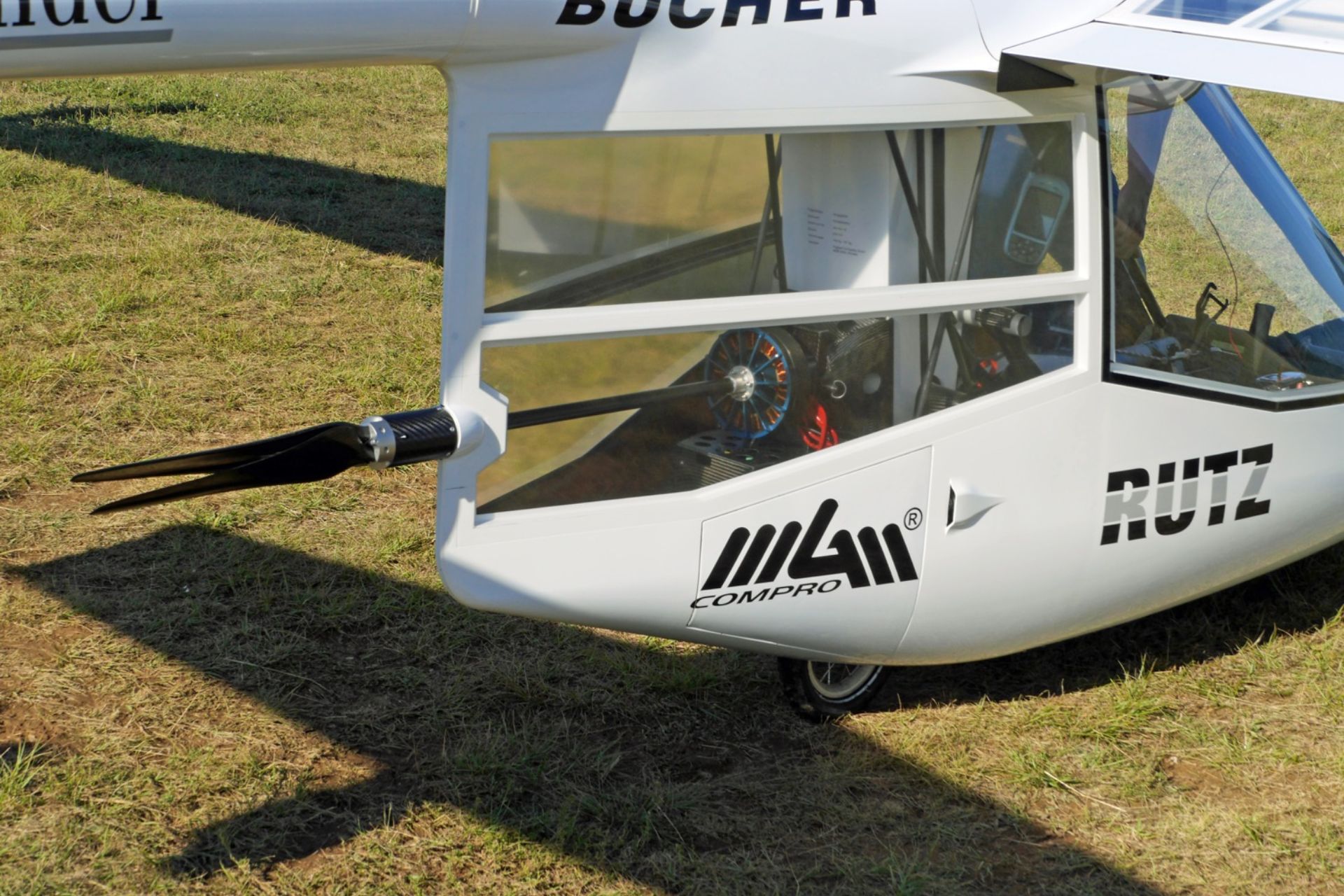
This versatility allows owners to operate the aircraft in a variety of locations instead of relying solely on traditional glider airfields. The manufacturer also offers accessories such as aero-tow couplings, winch-release adapters, bungee launch hardware, and transport equipment to suit different flying styles.
Sailplane performance with hang glider freedom
Although its launch method attracts most of the attention, the Archaeopteryx was designed primarily as a serious soaring aircraft.
Official specifications include:
- Natural speed range: 30–130 km/h (19–81 mph)
- Glide ratio: 28:1
- Minimum sink rate: approximately 0.5 m/s (98 ft/min)
These figures allow pilots to exploit thermals efficiently, staying airborne for extended periods under favorable conditions.
According to Ruppert Composite, experienced pilots have completed cross-country flights of up to 600 km (375 miles), demonstrating that this is far more than a novelty aircraft.
Quick assembly without tools
Despite its impressive wingspan, the Archaeopteryx was designed with transport in mind.
The aircraft uses lightweight components with automatic control connections, allowing assembly in approximately 10 minutes, with or without assistance. No tools are required during the rigging process.
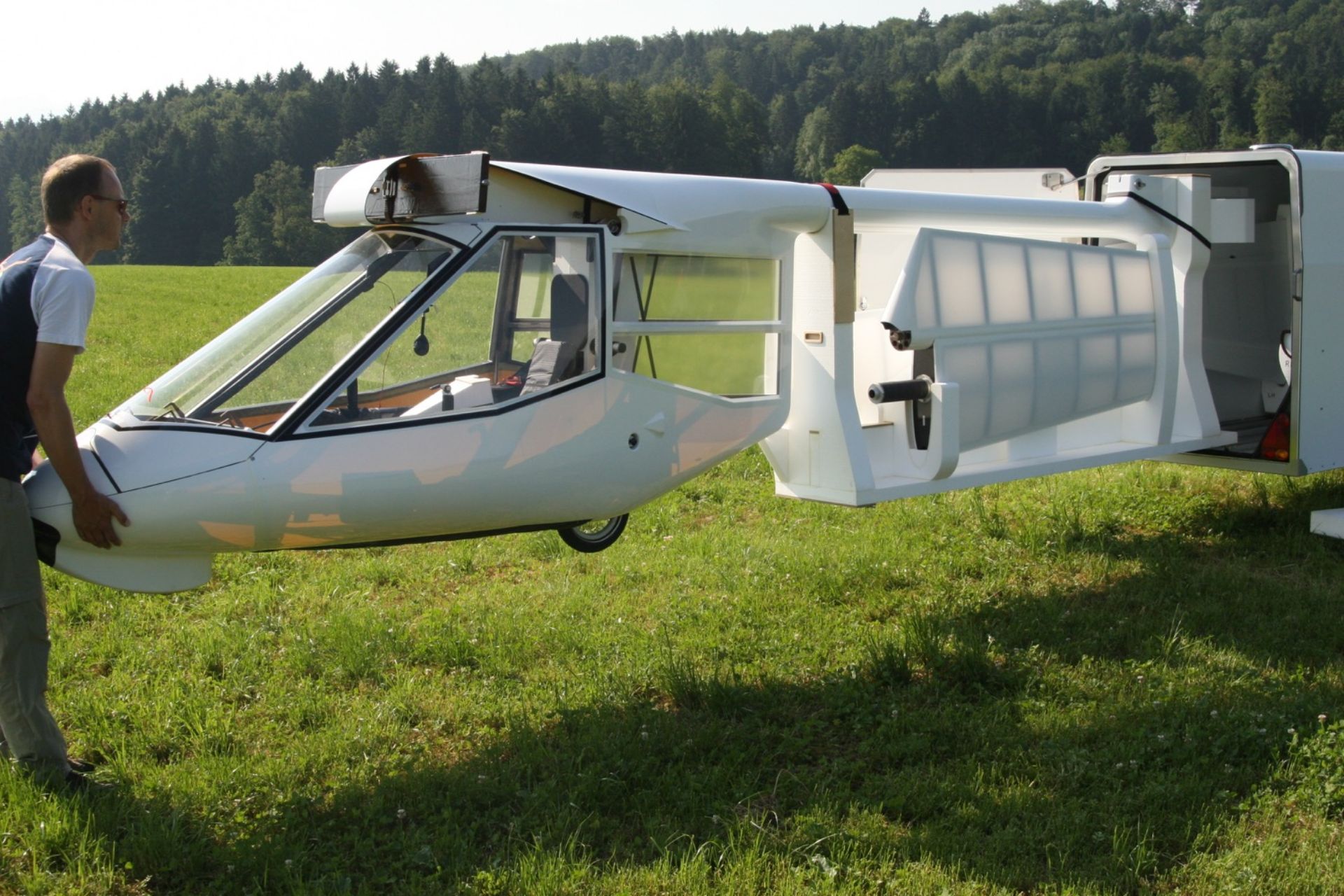
Owners can also order a purpose-built trailer, making it easier to transport the aircraft between flying locations.
An optional electric upgrade
Pilots who want even greater independence can choose the Electro version.
Rather than relying on external launch systems, the aircraft can be equipped with a quickly installed electric motor system that enables self-launch capability.
One particularly clever feature is its modular design. According to the manufacturer, the aircraft can be converted between pure glider and electro-glider configurations in about five minutes, without using tools.
During flight, the electric drive can also be engaged or disengaged at the push of a button, providing additional flexibility depending on weather conditions and flight plans.
Safety wasn’t overlooked
Lightweight aircraft often raise questions about safety, but Ruppert Composite incorporated several features intended to improve pilot protection.
Among the available and optional equipment are:
- Ballistic lightweight rescue system
- Rocket-deployed emergency parachute
- Stable low-speed handling
- Low approach speeds aided by flaps
- Multiple certified launch methods
The aircraft’s low landing speed also helps reduce the runway—or landing area—required after a flight.
Three versions for different pilots
The Archaeopteryx is available in three primary configurations:
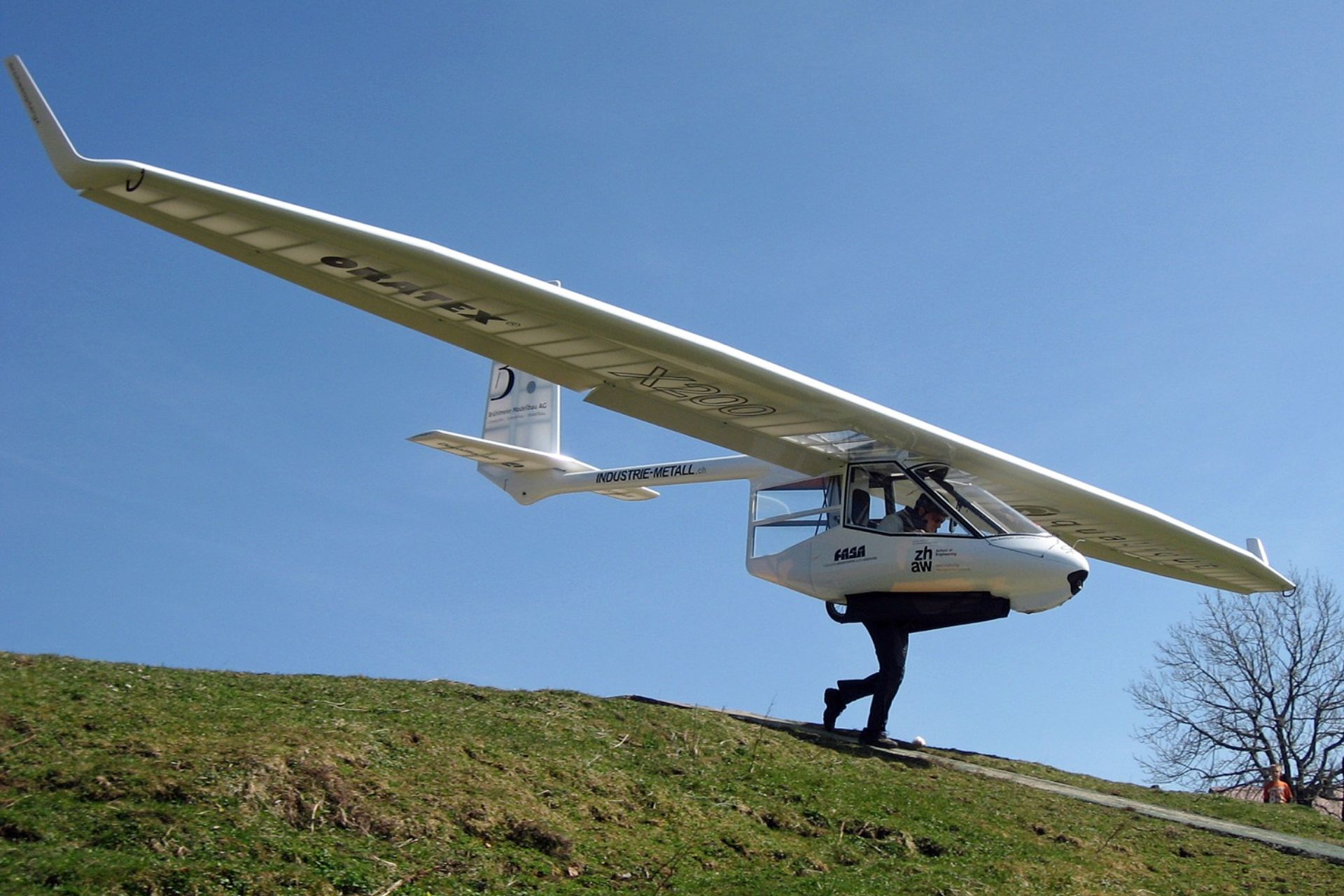
Standard
Designed for pilots seeking the classic open-cockpit experience and excellent low-speed thermalling performance. It is particularly suited for hang glider and paraglider pilots transitioning into rigid-wing aircraft.
Race
Features a fully enclosed cockpit for improved comfort and better aerodynamic performance at medium and higher speeds. It also adds luggage compartments for touring flights.
Electro
Builds on the platform by adding the removable electric propulsion system, allowing fully independent launches without external assistance.
Pricing and availability
The Archaeopteryx is manufactured in Switzerland by Ruppert Composite.
Current published pricing includes:
- Race: CHF 89,500 (approx. US$109,855)
- Electro: CHF 108,000 (approx. US$132,565)
Pricing for the Standard version is available directly from the manufacturer upon request. Buyers can further customize the aircraft with numerous optional accessories, including transport systems, instruments, rescue equipment, launch hardware, tuning parts, and upgrade kits.
Final thoughts
The Ruppert Archaeopteryx occupies a category almost entirely of its own. It combines the simplicity and freedom of foot-launched flight with the efficiency of a modern composite sailplane, while remaining remarkably lightweight and adaptable.
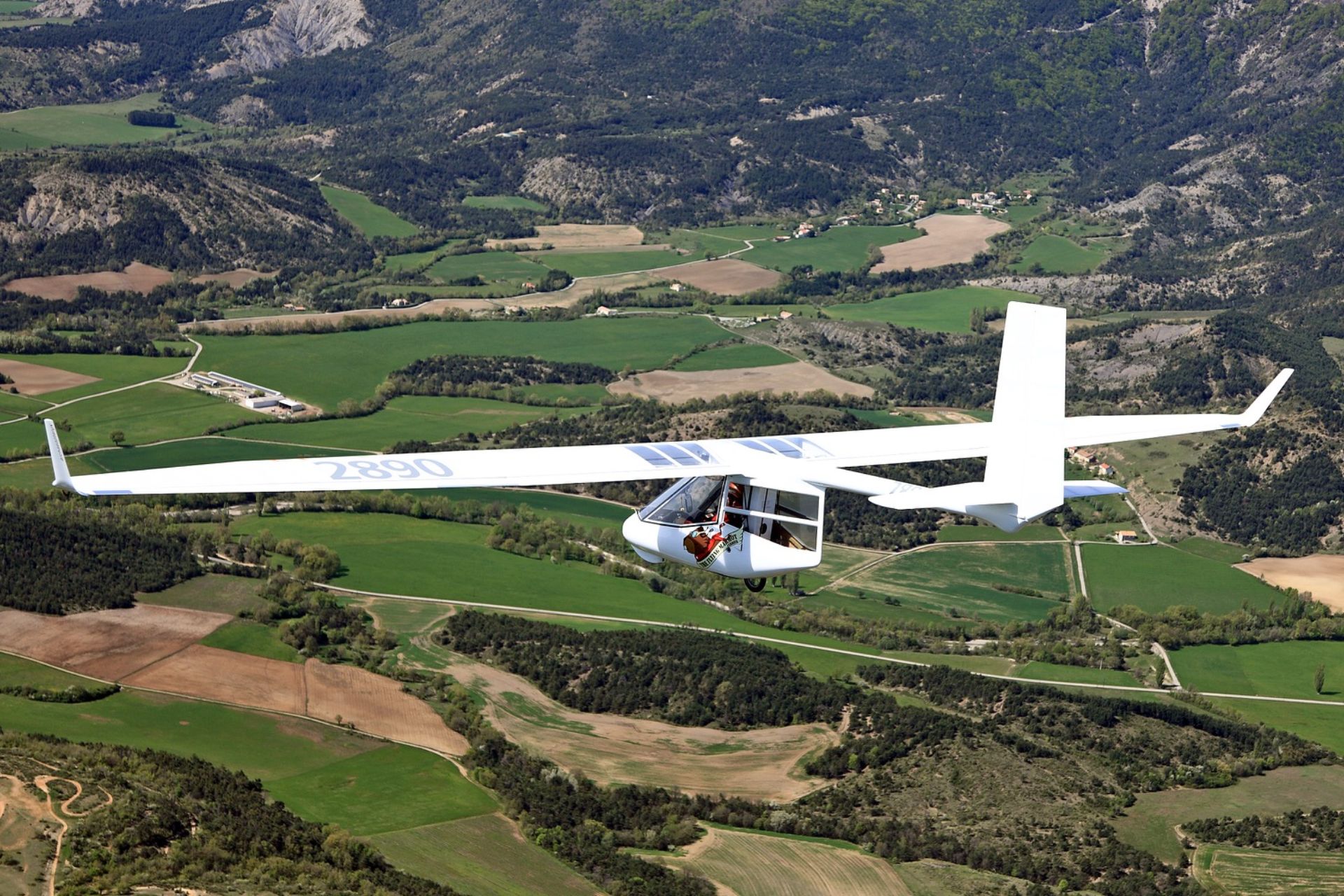
Whether launched from a hillside by foot, towed into the sky, or equipped with its optional electric drive, the aircraft offers an experience that few other recreational aircraft can match. For pilots looking to blur the line between hang gliding and soaring, the Archaeopteryx presents a fascinating—and highly engineered—solution.
Source: Ruppert-Composite