A California startup says it has completed an end-to-end pilot that transformed raw biogas from a dairy farm into a liquid fuel suitable for blending with conventional jet fuel.
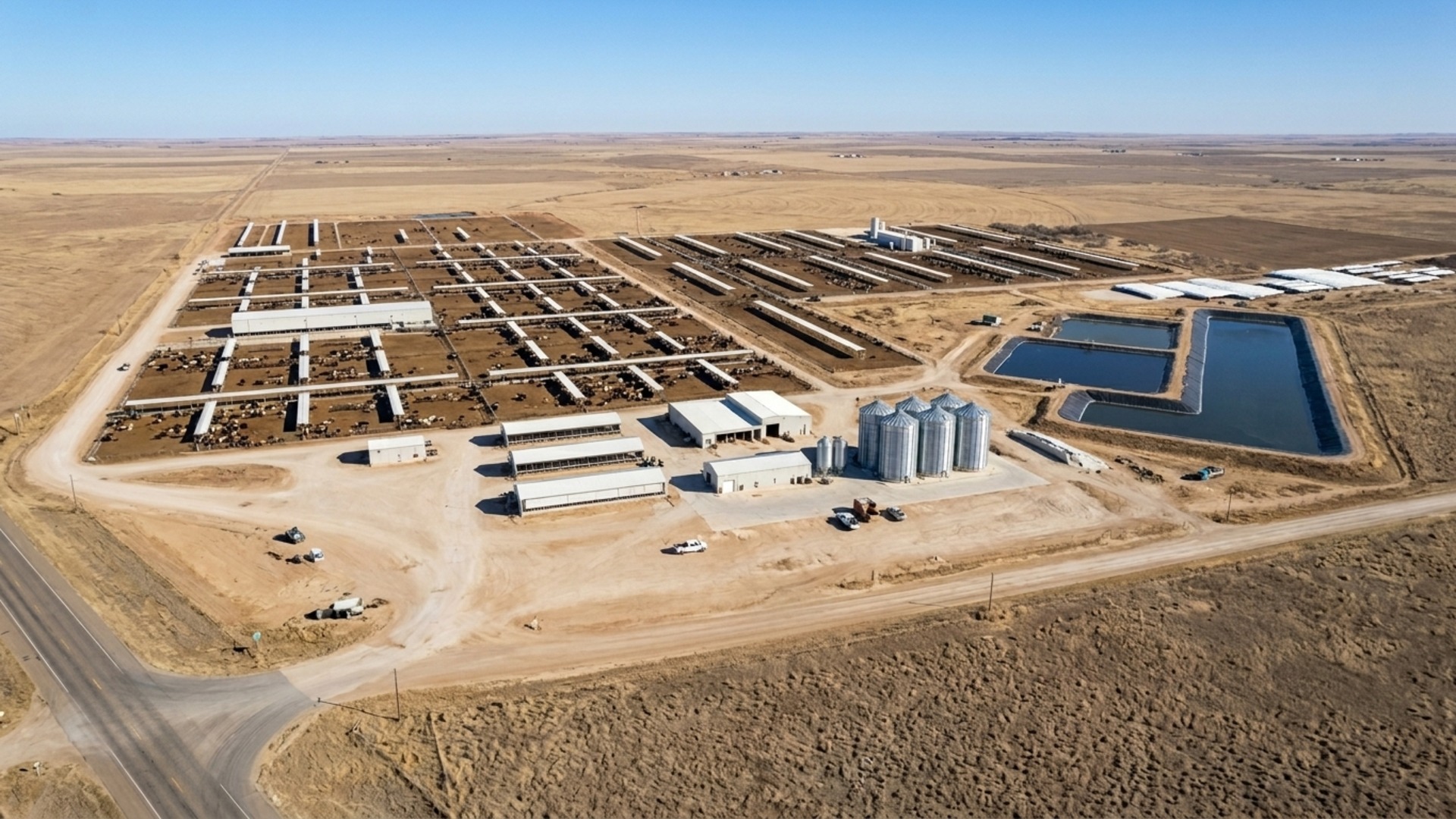
Circularity Fuels operated the pilot for six months using gas supplied directly by a manure digester at a dairy farm near Madera, California. Rather than converting the manure itself, the system processed the methane- and carbon dioxide-rich biogas released as the waste decomposed.
According to the company, the project is the first fully integrated pilot to convert raw agricultural biogas into jet fuel meeting the specifications of the established Fischer–Tropsch pathway under ASTM D7566 Annex A1.
That “world-first” description and the pilot’s performance figures come from Circularity Fuels and have not been independently verified.
How dairy biogas becomes aviation fuel
The biogas used during the pilot contained approximately 65% methane and 35% carbon dioxide. Agricultural biogas can also contain contaminants that complicate its use in conventional fuel-production systems.
Circularity’s process begins with a modular, electrically powered reactor called Ouro. It reforms the methane and carbon dioxide into synthesis gas, commonly called syngas—a mixture containing carbon monoxide and hydrogen.
The syngas then enters a second unit called Aion. This reactor uses Fischer–Tropsch synthesis to assemble those gases into a mixture of liquid hydrocarbons, which can subsequently be separated and processed into aviation fuel.
Circularity says the integrated system can be installed near the source of the waste gas, potentially allowing farms to convert biogas without first transporting it through a conventional gas pipeline.
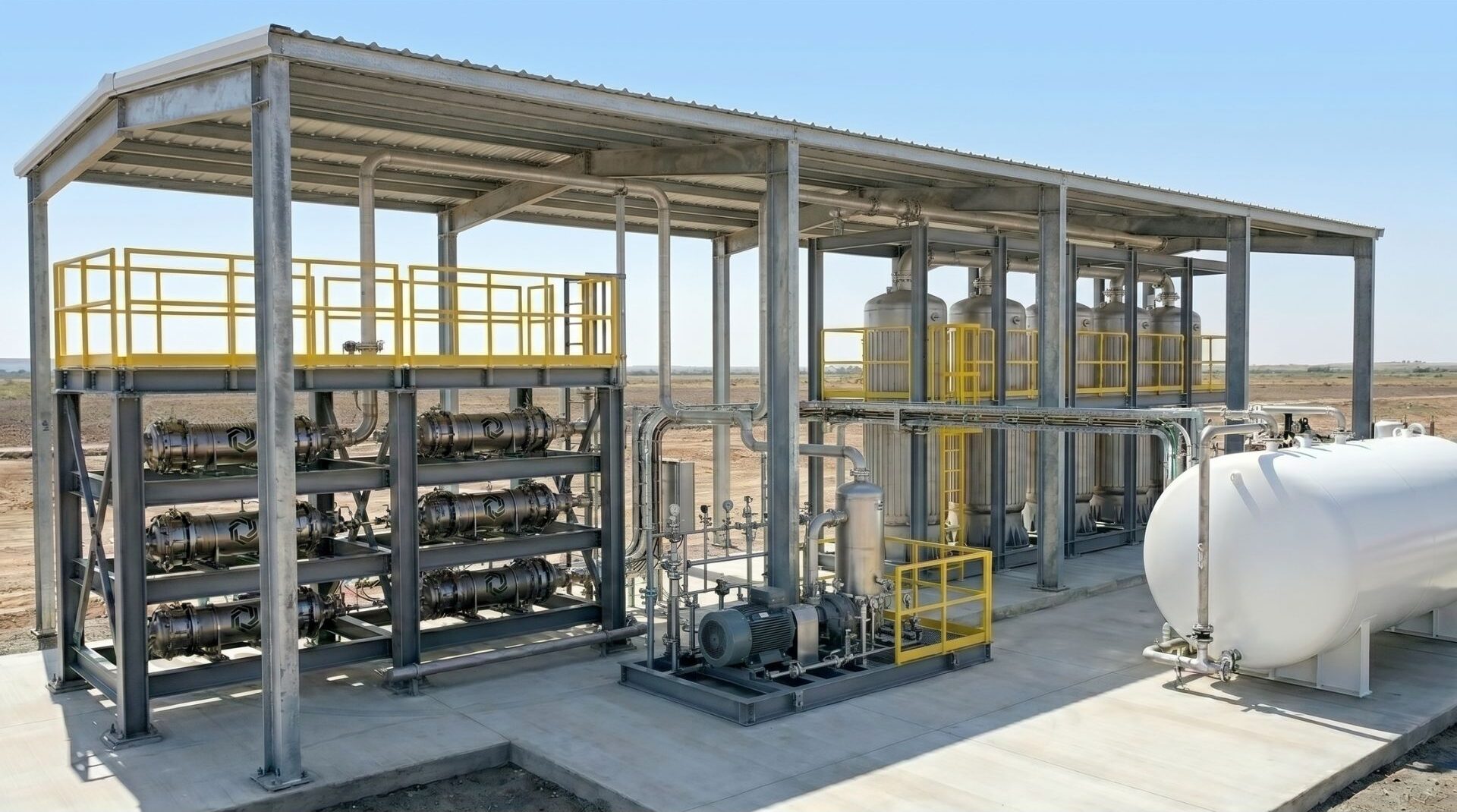
During the pilot, the Ouro reactor reportedly converted more than 98% of the incoming methane and over 90% of the carbon dioxide in a single electrified step.
The fuel still needs to be blended
Circularity reports that the resulting jet-fuel fraction met the requirements of ASTM D7566 Annex A1, which covers Fischer–Tropsch synthetic paraffinic kerosene, or FT-SPK.
Fuel produced through this pathway can be blended at concentrations of up to 50% with conventional petroleum-derived jet fuel. Once the approved synthetic component has been blended and the finished fuel meets the required specifications, it can be handled as conventional aviation turbine fuel.
This does not mean aircraft can currently be filled with unblended fuel directly from the pilot equipment. The blend limit and applicable quality-control procedures still apply.
The company has also described its fuel as potentially carbon-negative because capturing dairy methane can prevent a particularly potent greenhouse gas from entering the atmosphere. However, that conclusion is based on Circularity’s internal life-cycle modelling and would depend on factors including the electricity source, alternative treatment of the biogas, plant efficiency and supply-chain emissions.
A pilot rather than a commercial fuel plant
The completed installation was designed to demonstrate the entire conversion process under real farm conditions. Circularity has not disclosed a meaningful commercial production volume from the six-month run.
Its next step is a demonstration plant targeting approximately 10 gallons (38 litres) of fuel per day. That would provide a larger platform for evaluating reliability, economics and continuous operation, but it would remain far smaller than a commercial aviation-fuel facility.
Circularity’s published roadmap calls for construction of its first commercial site to begin in 2027. The proposed plant would eventually produce approximately one million gallons (3.8 million litres) of sustainable aviation fuel annually, with operations targeted for early 2029.
Those dates and capacities remain company targets. The technology must still move from a small pilot through demonstration scale, financing, construction and sustained commercial operation.
Even so, the project illustrates an intriguing possibility: methane generated by dairy waste could become a local feedstock for aviation fuel instead of being released, flared or used only for heat and electricity.
Sources: Circularity Fuels, Biomass Magazine, International Civil Aviation Organization