Plastic pollution has become one of the world’s most visible environmental challenges. Every year, millions of tons of plastic enter rivers, harbors, and oceans, where it can harm marine life and break down into tiny microplastics. While large-scale ocean cleanup projects often grab headlines, one Australian innovation focuses on stopping pollution much earlier—right where it begins to accumulate.
The Seabin is a floating water-cleaning device designed to continuously remove floating litter, microplastics, fibers, oils, and fuel residues from marinas, yacht clubs, ports, and other sheltered waterways. Rather than chasing waste after it has spread across the ocean, the system works where floating debris naturally collects, helping prevent it from reaching larger bodies of water in the first place.
What is the Seabin?
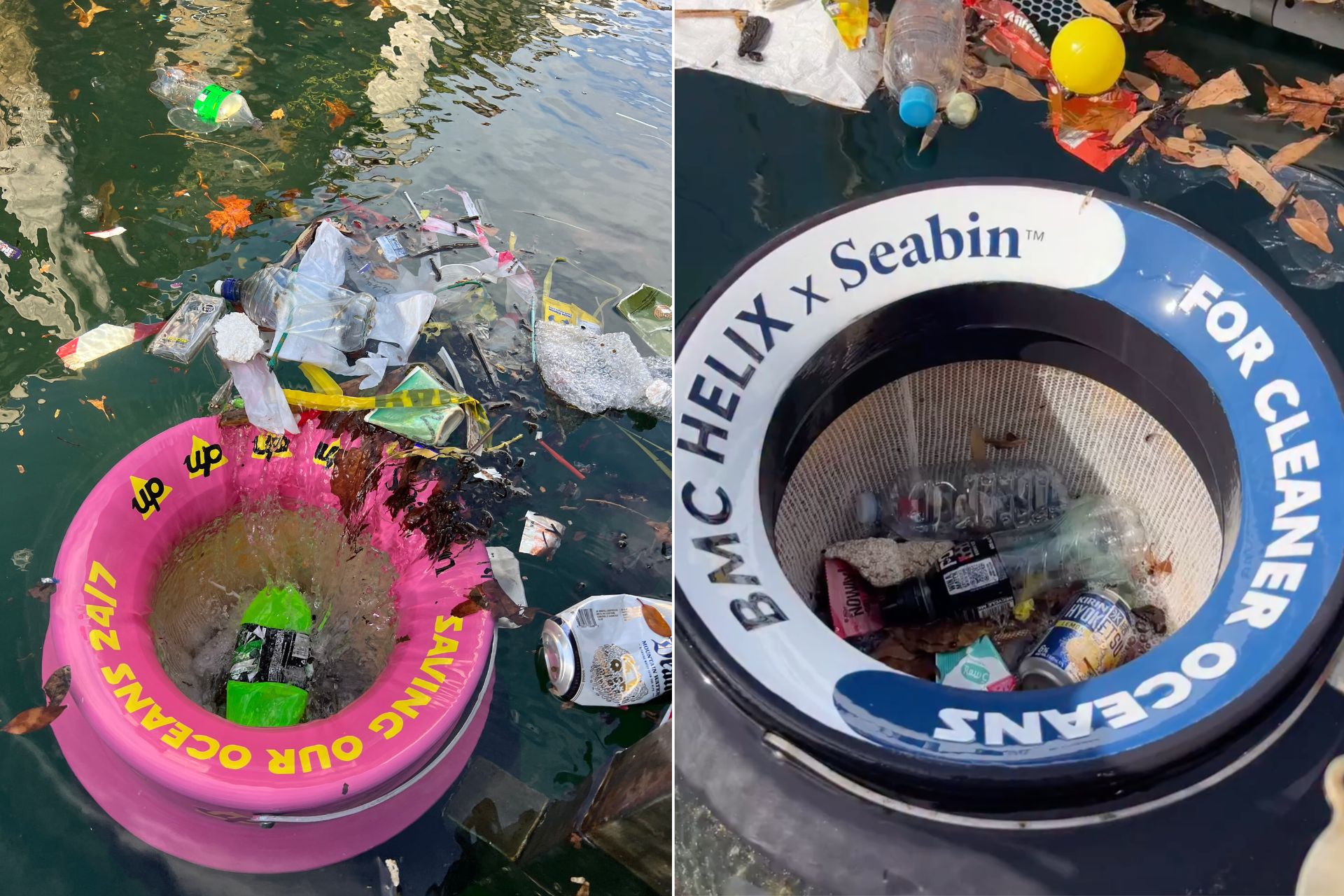
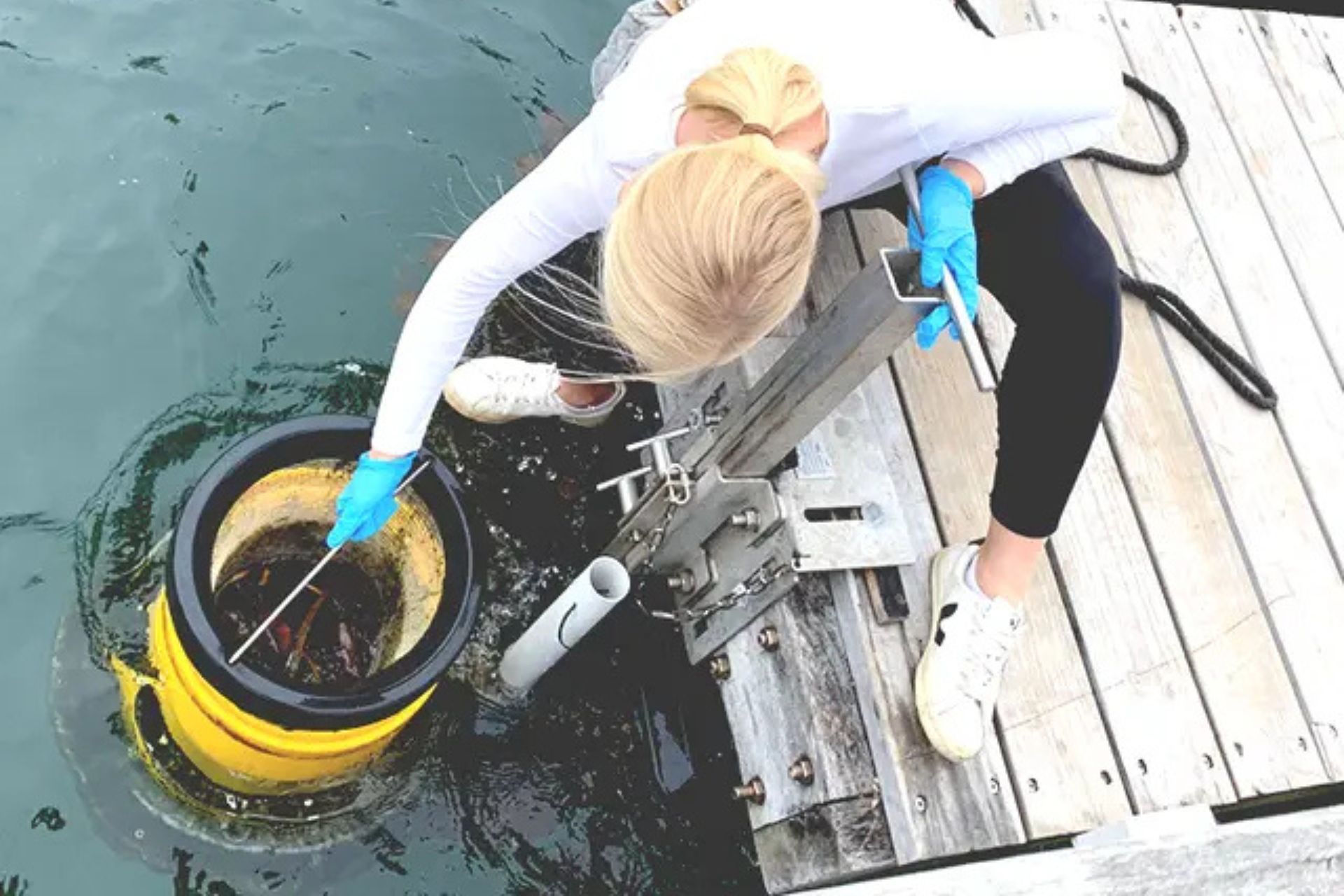
At first glance, the Seabin resembles a floating trash bin installed alongside a dock. In reality, it is a continuously operating water filtration system that skims the water’s surface throughout the day.
The latest Seabin 6.0 uses a submerged electric pump to draw in surface water. As the water flows through the unit, floating debris becomes trapped inside a removable catch bag while the filtered water is released back into the marina.
Unlike conventional trash collection, the system is designed to operate around the clock with minimal intervention, making it suitable for locations where floating litter frequently accumulates.
How the Seabin works
The Seabin operates using a straightforward but effective process:
- A submersible pump continuously draws water into the floating unit.
- The system skims approximately the top 10 mm (0.4 inches) of the water surface, where much of the floating pollution collects.
- Plastic bottles, food packaging, cups, cigarette butts, leaves, fibers, and other floating debris are captured inside a removable catch bag.
- Oil and fuel residues can also be absorbed using specialized filter pads.
- Cleaned water is then returned to the surrounding waterway.
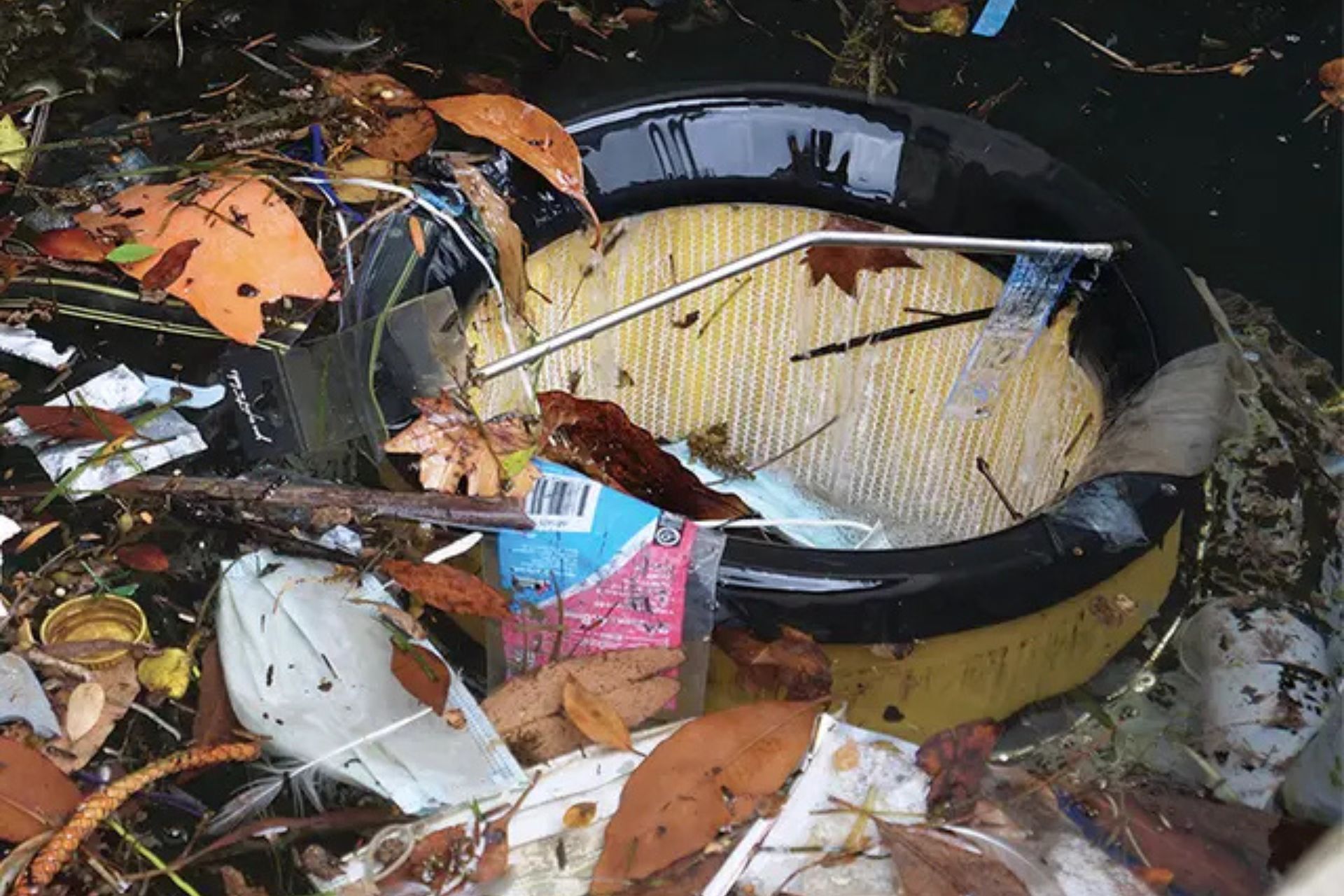
Each Seabin 6.0 is capable of filtering approximately 55,000 liters (14,500 gallons) of water every hour, or up to 1.3 million liters (343,000 gallons) per day, while operating 24/7. The catch bag can hold up to 20 kilograms (44 pounds) of collected waste before requiring emptying.
More than a floating trash collector
While the original Seabin gained attention for removing floating plastic, the project has expanded considerably in recent years.
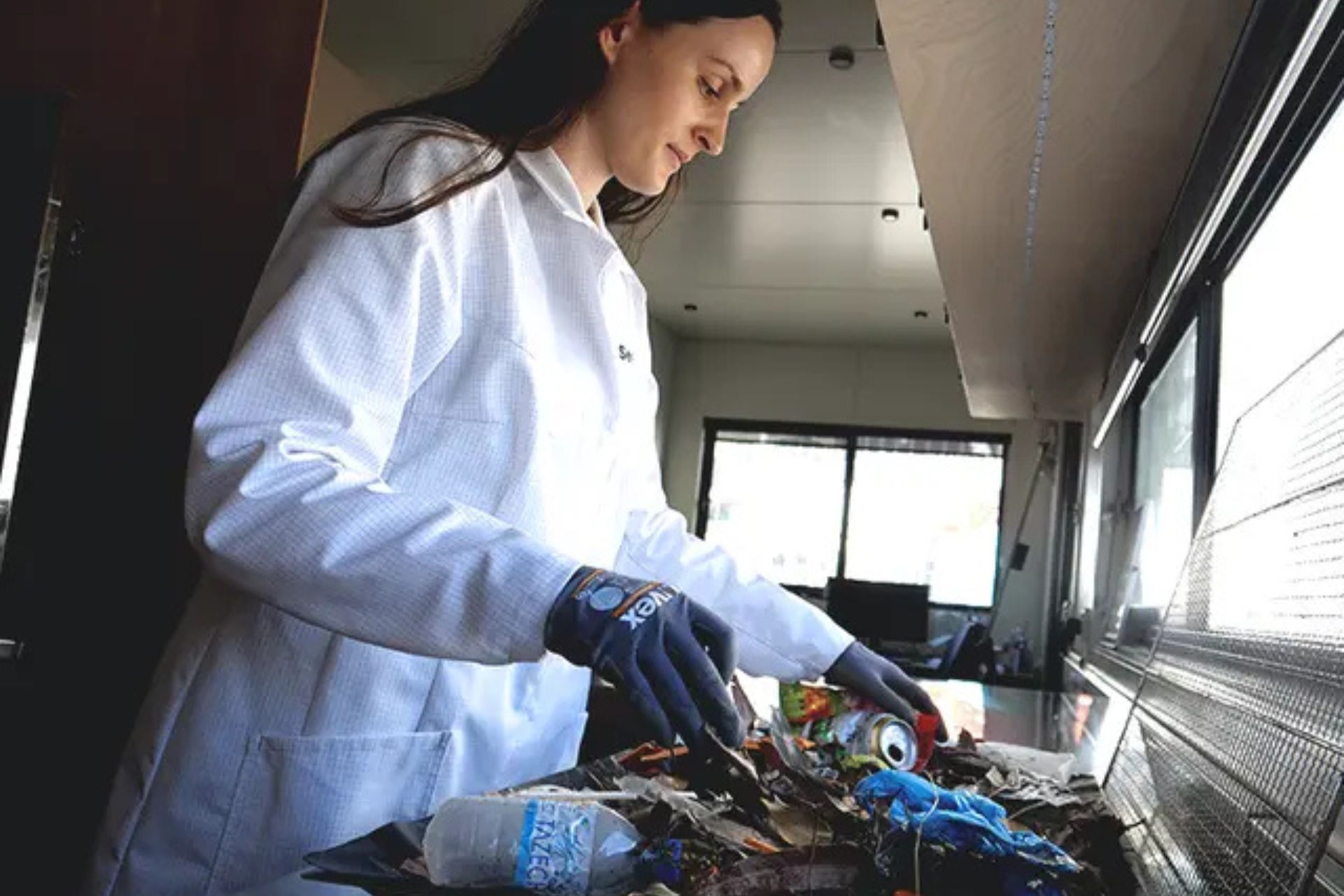
Today, every Seabin installation can also function as an environmental monitoring station. Environmental technicians regularly empty the units, sort the collected debris, record pollution data, and collect samples that are analyzed through the company’s Ocean Health Lab.
This information helps identify pollution hotspots, measure microplastic concentrations, understand litter sources, and provide cities, ports, and commercial partners with data that can support environmental planning and sustainability initiatives.
Rather than simply removing waste, Seabin now combines cleanup with ongoing environmental intelligence.
Building smarter cities through pollution data
One of the more interesting aspects of the Seabin Project is its “Smarter Cities, Cleaner Oceans” approach.
Instead of randomly deploying cleanup devices, Seabin first identifies areas where floating pollution naturally accumulates. Units are then strategically installed in these locations while technicians regularly collect and analyze the captured material.
The resulting data can reveal seasonal pollution patterns, the most common types of litter, the effects of rainfall, and how public events influence waste entering local waterways.
By combining continuous cleanup with long-term environmental monitoring, Seabin aims to help cities make better-informed decisions about pollution prevention instead of relying solely on cleanup efforts.
Capturing more than plastic bottles
Although bottles and food containers are among the most visible items collected, Seabins are designed to intercept a much wider range of pollutants.
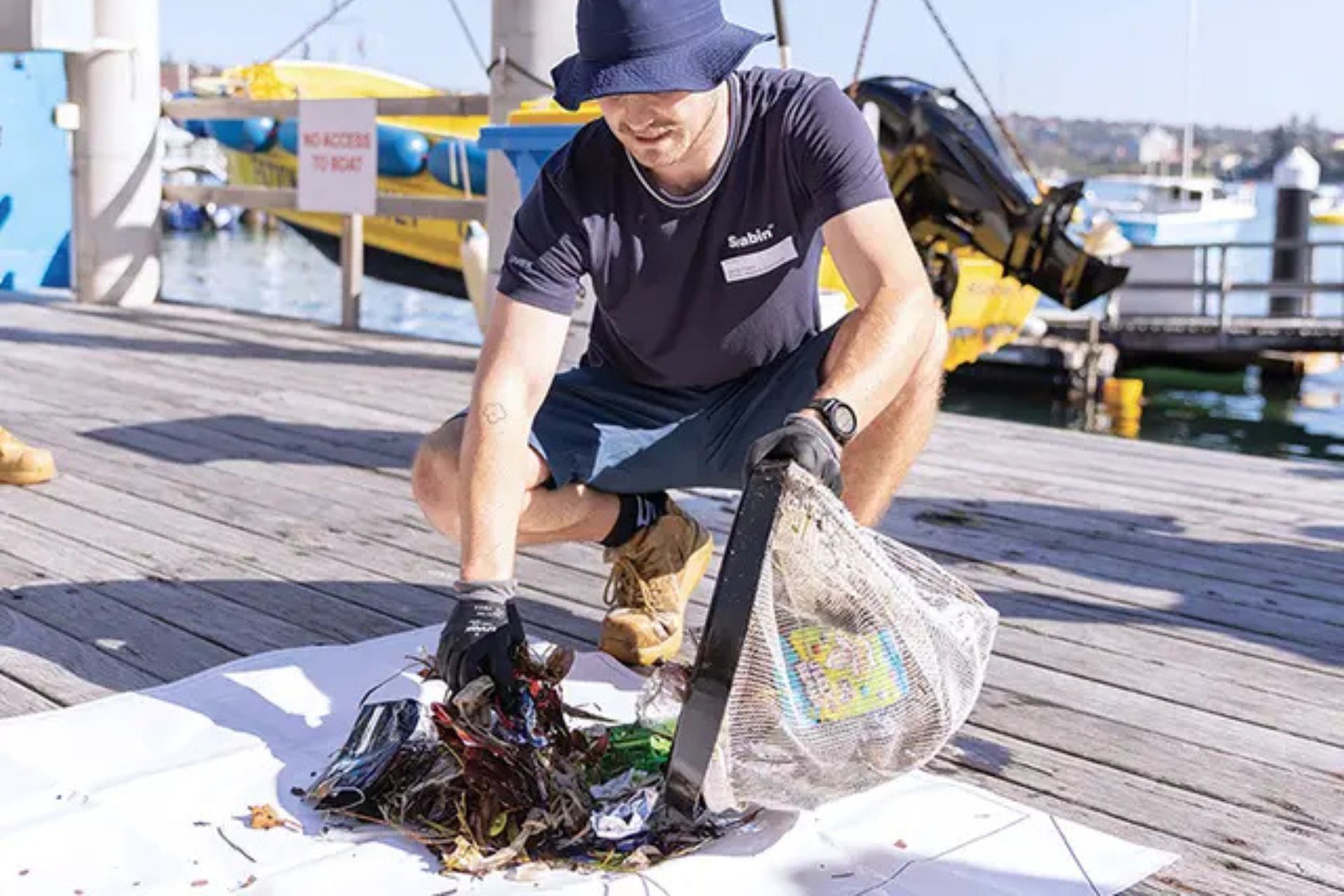
These include:
- Plastic bags and wrappers
- Beverage containers
- Food packaging
- Cigarette butts
- Microplastics
- Synthetic fibers
- Leaves and organic debris
- Oil residues
- Fuel contamination
The project’s environmental monitoring has shown that microplastics are among the most common forms of pollution captured, highlighting the importance of addressing smaller plastic particles that often go unnoticed.
Measuring real-world environmental impact
The Seabin Project publishes environmental statistics collected through its deployment network.
According to the project’s Sydney Harbour monitoring program, Seabins have collectively:
- Filtered more than 36 billion liters of water
- Captured over 20 million plastic items
- Removed more than 11 million microplastics
The project has also identified trends such as increased microplastic collection following rainfall, helping researchers better understand how weather affects marine pollution.
These findings demonstrate that the Seabin serves as both a cleanup device and a valuable environmental research tool.
Designed for marinas—not the open ocean
One common misconception is that the Seabin is intended to clean the open ocean.
In reality, it is specifically engineered for calm, sheltered waterways such as marinas, yacht clubs, ports, and harbors where floating litter naturally gathers.
These controlled environments allow the Seabin to operate continuously and efficiently without being affected by strong waves, heavy currents, or rough offshore conditions.
This localized approach focuses on intercepting pollution before it escapes into rivers, bays, and eventually the open sea, where cleanup becomes significantly more difficult.
Growing through partnerships
Rather than selling only individual cleanup devices, Seabin increasingly works with municipalities, ports, waterfront developments, corporations, and environmental organizations.
Recent partnerships highlighted by the company include projects with waterfront operators, airports, commercial developments, and marine facilities that combine pollution removal with environmental reporting and community engagement.
This collaborative model allows Seabin networks to expand while generating valuable long-term data about urban water pollution.
Pricing and availability
The Seabin Project now primarily offers its technology through partnership programs for cities, marinas, ports, waterfront operators, and commercial organizations rather than as a simple consumer product.
Pricing is not publicly listed on the company’s official website and generally depends on factors such as the number of units, installation requirements, servicing, environmental monitoring, and reporting services.
Organizations interested in deploying Seabin technology can contact the company directly to discuss project requirements and receive a customized quotation.
A practical approach to cleaner waterways
No single invention will solve global plastic pollution, but the Seabin demonstrates how targeted technology can make a meaningful difference in places where waste naturally accumulates.
By continuously removing floating debris while simultaneously generating valuable environmental data, the Seabin has evolved beyond being a floating trash collector into a platform that supports cleaner waterways, smarter environmental management, and better understanding of marine pollution.
Intercepting pollution before it reaches the open ocean may not be the complete solution—but it is an important step toward healthier marine ecosystems.
Source: Seabin