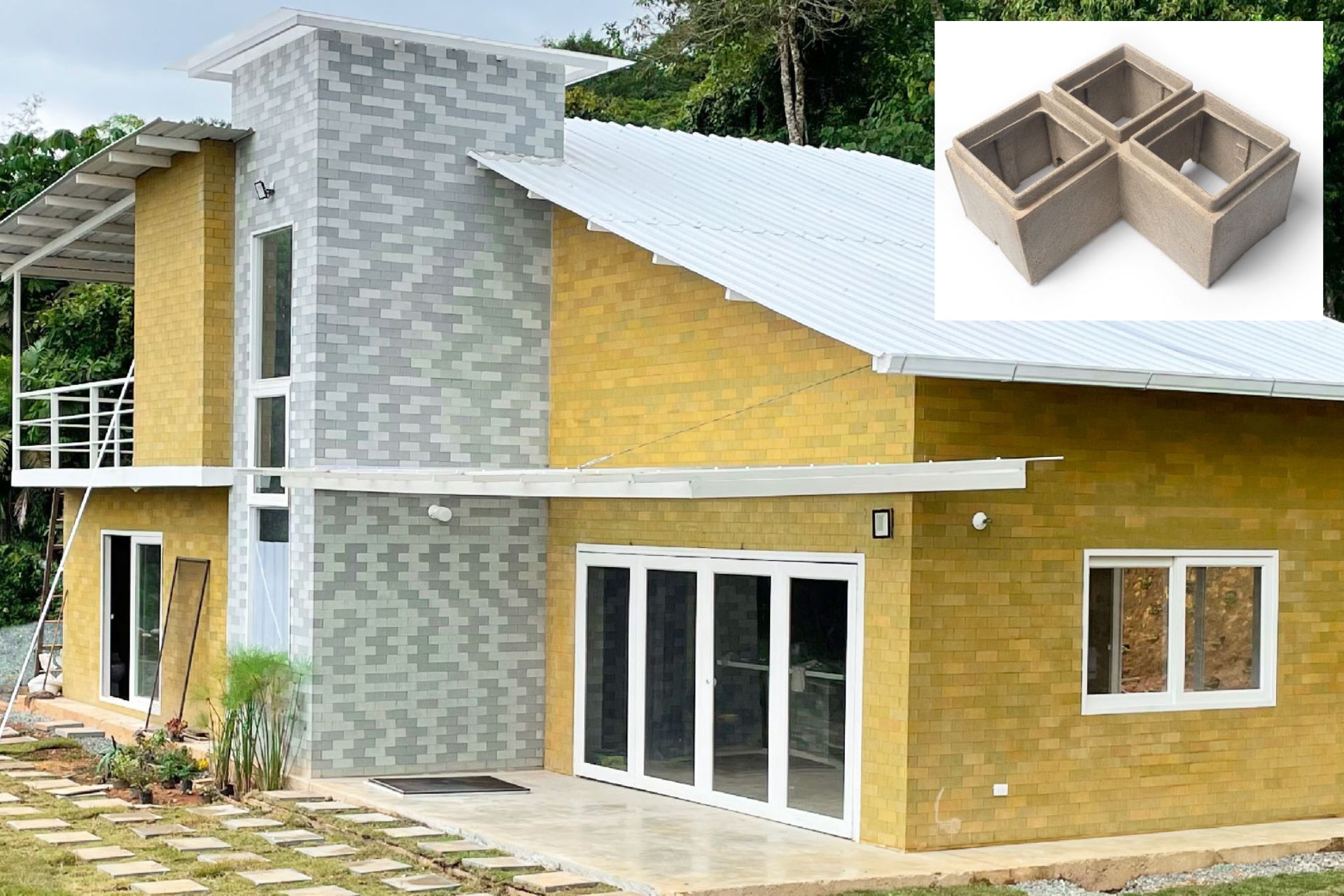
A construction startup from Colombia’s Valle del Cauca region is turning discarded plastic into structural building blocks — and the numbers suggest it builds faster, lighter, and with less waste than conventional brick.
The product is called Plock, and the company behind it is Green Solutions, headquartered in Yumbo, a small industrial city just outside Cali. The premise is straightforward: take plastic waste that would otherwise end up in a landfill or waterway, process it into a uniform structural block, and sell it as a direct alternative to fired clay brick.
What makes Plock stand out isn’t just the raw material — it’s how the system performs on a job site compared to what builders have used for decades.
A block that snaps together like LEGO
Plock blocks interlock using a dry-assembly system, meaning no mortar is needed to bond the units together. Green Solutions describes the mechanism as similar to LEGO — a comparison that also captures the speed advantage. One square meter of Plock wall takes approximately 15 minutes to install. The same area in traditional clay brick takes around 40 minutes, and that estimate doesn’t include the additional time required for plastering and surface finishing, which Plock skips entirely.
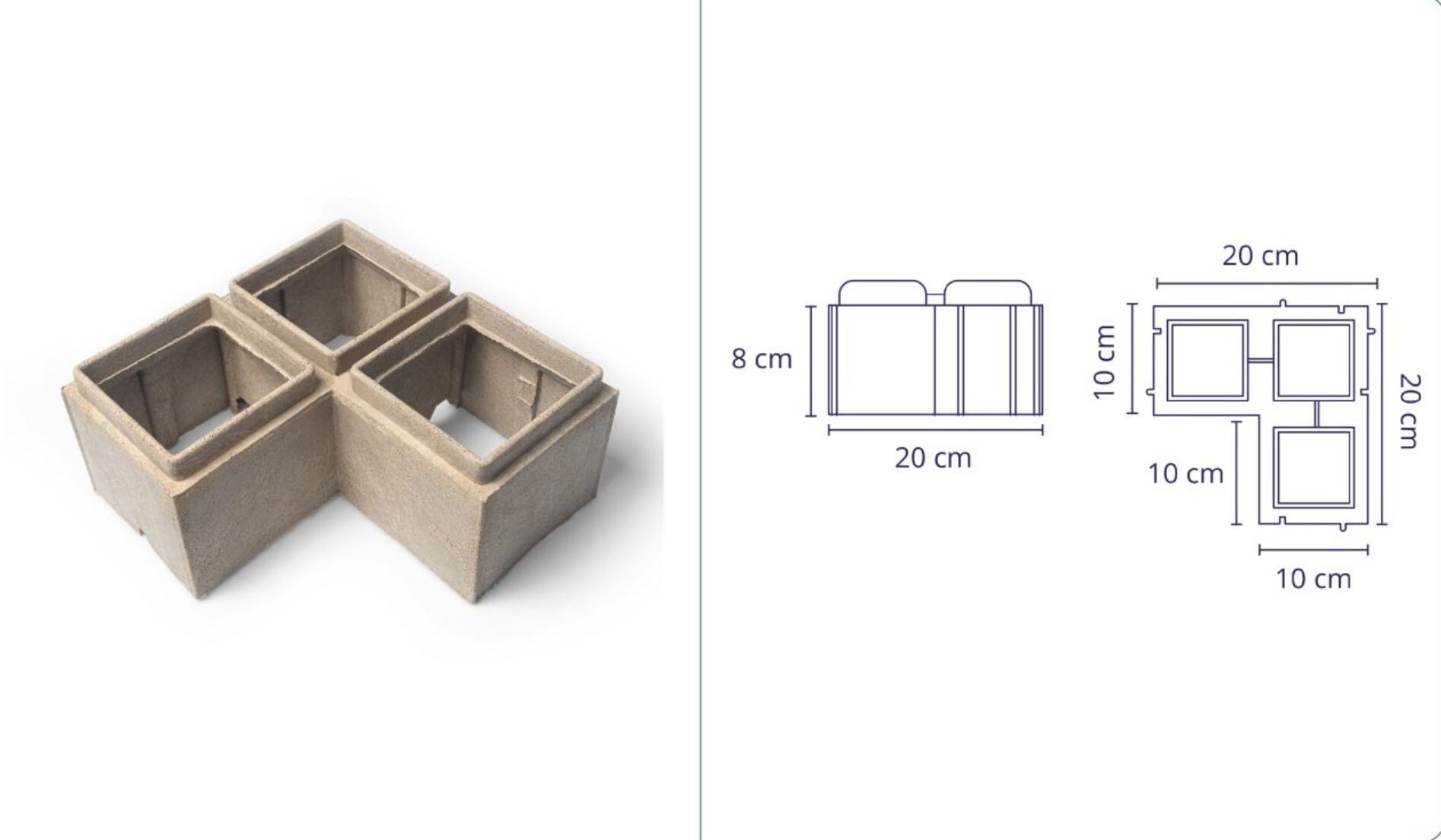
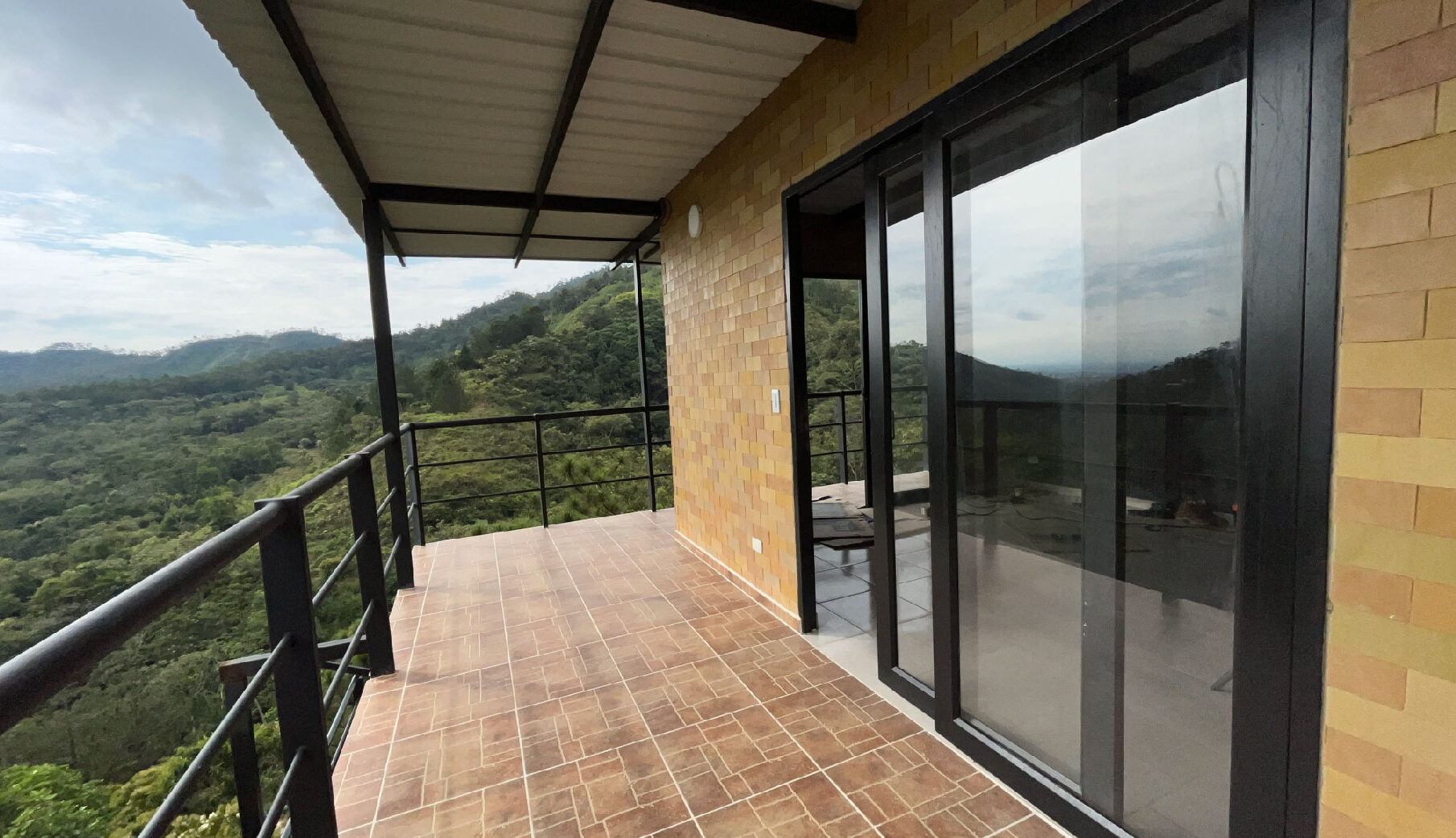
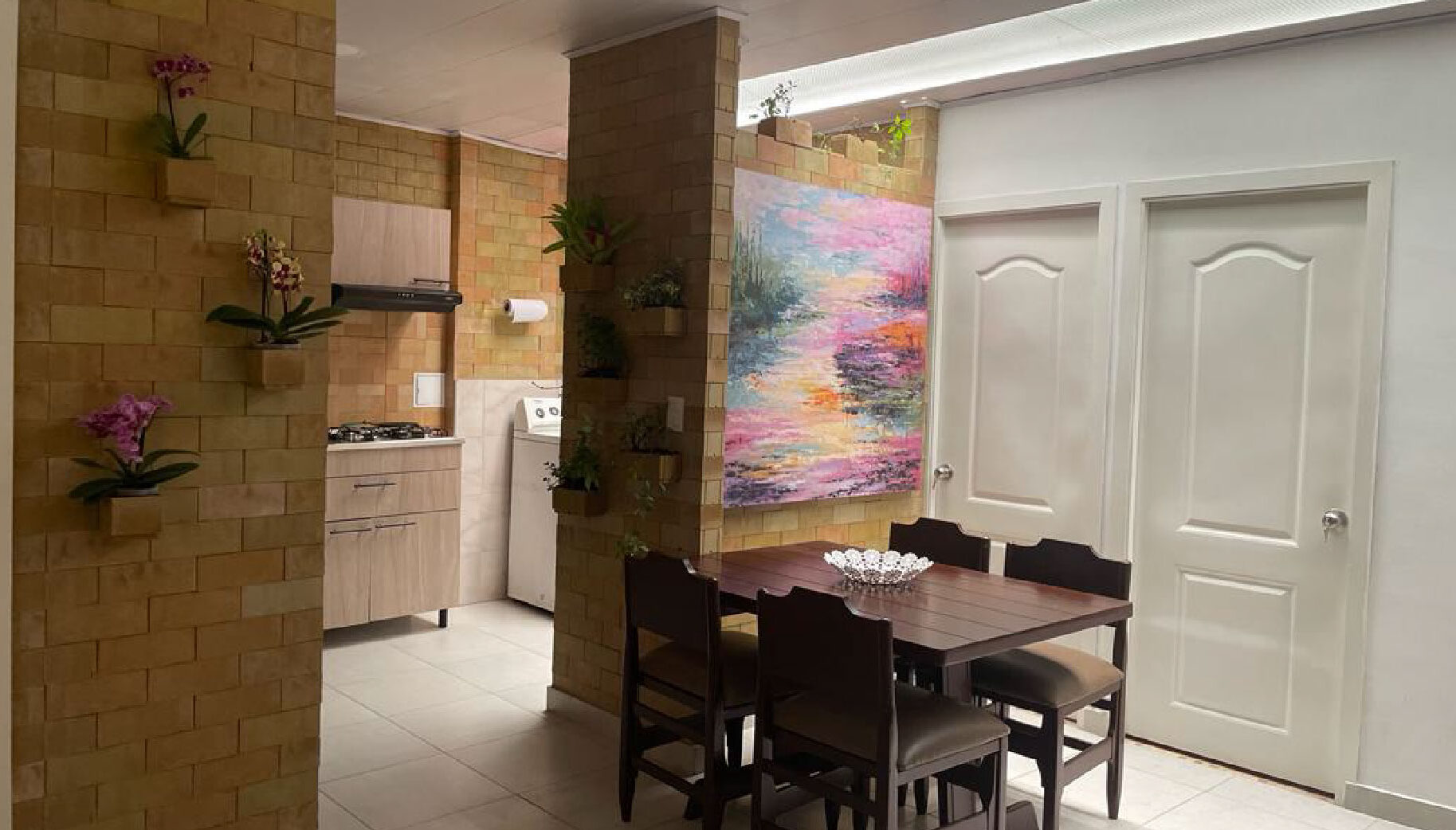
The blocks are made from 100% recycled plastic and come in four standard colors — gray, ochre, terracotta, and black — which run throughout the material rather than sitting on the surface. That means the exposed block face is already the finished wall. No render, no skim coat, no stucco required, though all of those finishes can still be applied if preferred. Green Solutions estimates that skipping the base render layer cuts finishing material consumption by up to 50%.
The hollow internal geometry of each block also serves a practical function for trades: plumbing pipes and electrical conduit can be routed through the cavities without cutting into the wall — a step that is standard and time-consuming in clay brick construction.
The weight difference is significant
A square meter of Plock wall weighs 21 kg, or about 46 pounds. The equivalent wall in traditional clay brick with mortar weighs 173 kg — roughly 381 pounds — more than eight times as much. That difference matters at every stage of a project.
Lighter walls reduce the structural load on foundations, which can lower foundation costs in a meaningful way. Lighter materials are also easier to transport, particularly in Colombia’s rural interior where road access is limited and, according to Green Solutions, blocks sometimes need to be carried by mule to reach construction sites. For remote housing projects, that logistical reality has historically been a hard constraint. Plock’s weight effectively removes it.
Two ways to build with it
Plock can be incorporated into two types of structural systems, depending on the site conditions and the architect’s design.
The first is structural masonry, where Plock blocks are stacked and interlocked, then internally reinforced with steel rebar and partially or fully filled with grout. The result is a monolithic wall capable of handling gravity loads, wind, and seismic forces.
The second is a framed system, where the Plock wall is built first and then surrounded by poured reinforced concrete columns and tie beams. Once the concrete sets, the wall and frame become a single unified structure with equivalent load-bearing capacity.
Green Solutions notes that Casa Midori homes — its pre-designed residential line — comply with Title E of Colombia’s seismic resistance code for one- and two-story construction. Colombia sits in one of South America’s more seismically active zones, so that compliance is not a minor detail.
The environmental case
The global plastic problem provides the backdrop for what Green Solutions is trying to do. More than 400 million metric tons of plastic are produced worldwide every year. Only about 9% of plastic waste gets recycled. The rest accumulates in landfills, rivers, and oceans with no second use.
The construction industry adds its own environmental burden: high energy use, significant CO₂ output, heavy water consumption, and large volumes of construction debris. Plock is designed to reduce several of those impacts at once.
Green Solutions claims that using Plock cuts water consumption across manufacturing and construction by 90% compared to traditional clay brick, which requires water both in the firing process and in mortar mixing. The company also states that Plock reduces carbon footprint by 97% relative to conventional brick — a figure it ties to the recycled input material and the elimination of high-temperature kiln firing.
Because the blocks require no cutting and no mortar, there is also no rubble generated on-site. The company says 100% of the block material is used, with nothing left over to haul away — a cost saving that also removes a source of construction waste.
What it costs
Green Solutions sells complete Plock-built homes under the Casa Midori brand in four sizes.
The Midori 27, at 27 square meters (about 290 square feet), starts from COP $51,900,000 — approximately US$14,430. The company describes it as the most practical and economical option, well suited for short-term rental use.
The Midori 43, at 43 square meters (about 463 square feet), starts from COP $69,900,000 — approximately US$19,440 — and is marketed as an affordable family home that makes efficient use of its footprint.
The Midori 60, at 60 square meters (about 646 square feet), starts from COP $109,900,000 — approximately US$30,560 — offering more space and layout flexibility for larger households.
The Midori 96, at 96 square meters (about 1,033 square feet), starts from COP $159,900,000 — approximately US$44,470 — and is the largest and most feature-rich model in the lineup.
These prices do not include freight costs for materials, permits, utility connections, or finishes beyond the standard baseline package. Appliances and furnishings shown in promotional materials are not included.
For buyers or builders who want to use Plock outside the Casa Midori format — for custom homes, renovations, or institutional projects — Green Solutions handles those projects separately. A free construction manual is available on the company’s website for anyone who wants to evaluate the system in detail before reaching out.
Source: Green Solutions