For decades, solar power has largely depended on one thing: strong, sturdy roofs. Conventional photovoltaic panels are efficient, but they’re also heavy, rigid, and often unsuitable for curved structures or older buildings with limited load-bearing capacity. That leaves countless rooftops, façades, warehouses, and industrial buildings unable to take advantage of renewable energy.
A German company believes it’s time to change that.
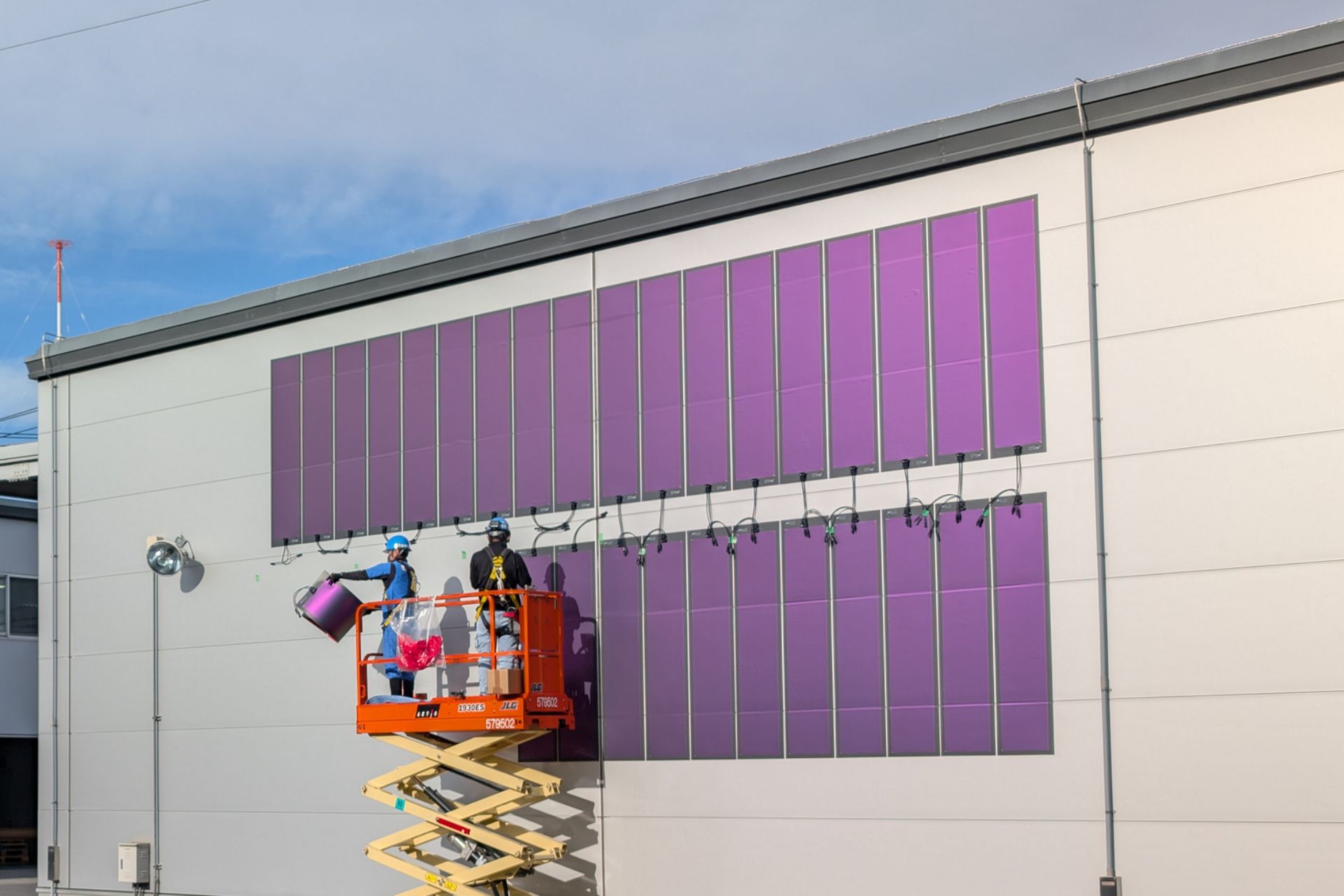
Heliatek’s HeliaSol takes a completely different approach to solar energy. Instead of using rigid silicon panels mounted on aluminum frames, it uses an ultra-thin organic solar film that can simply be adhered directly onto suitable surfaces. The result is a lightweight photovoltaic solution that opens up installation possibilities where traditional panels simply aren’t practical.
Solar that looks more like a sticker than a panel
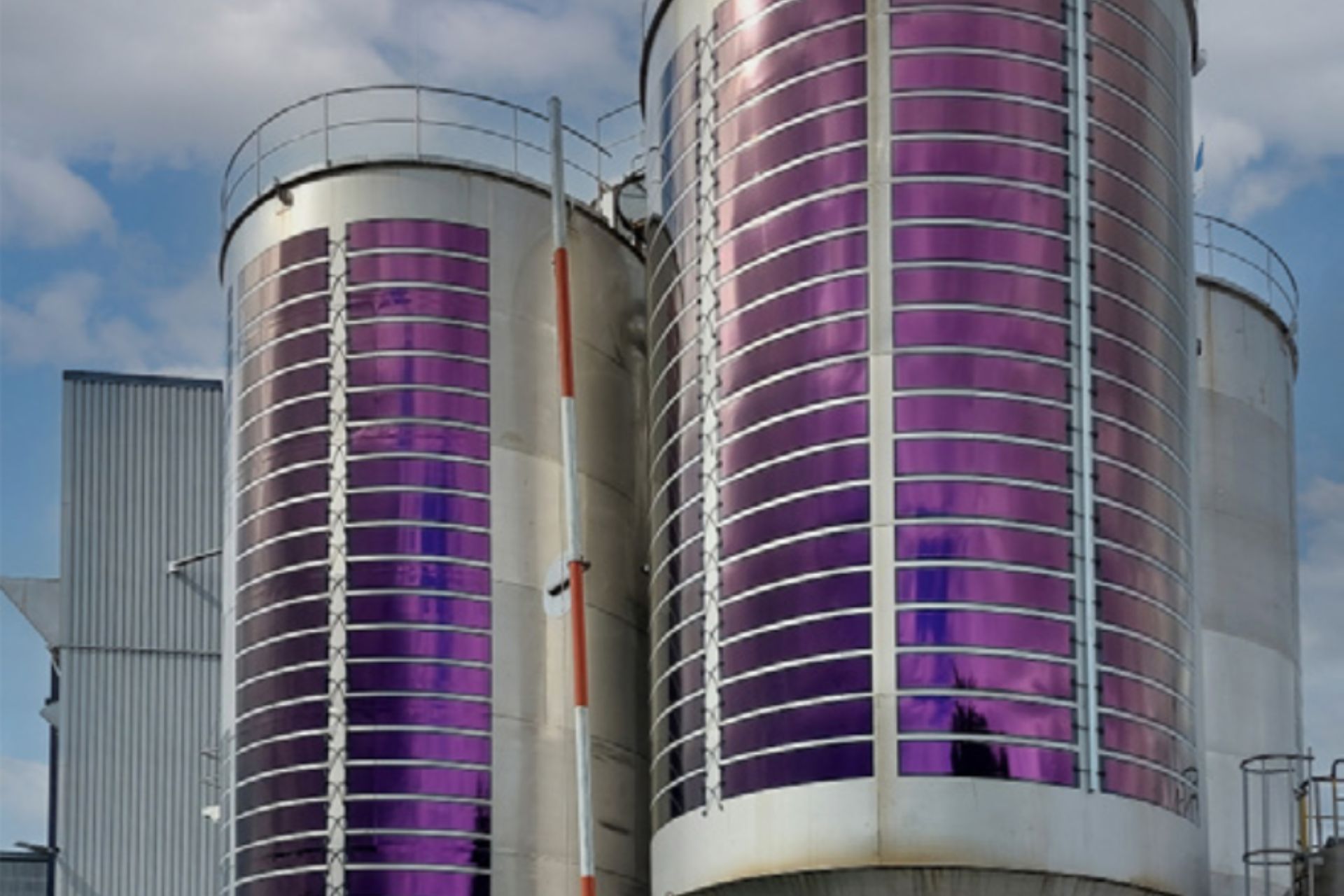
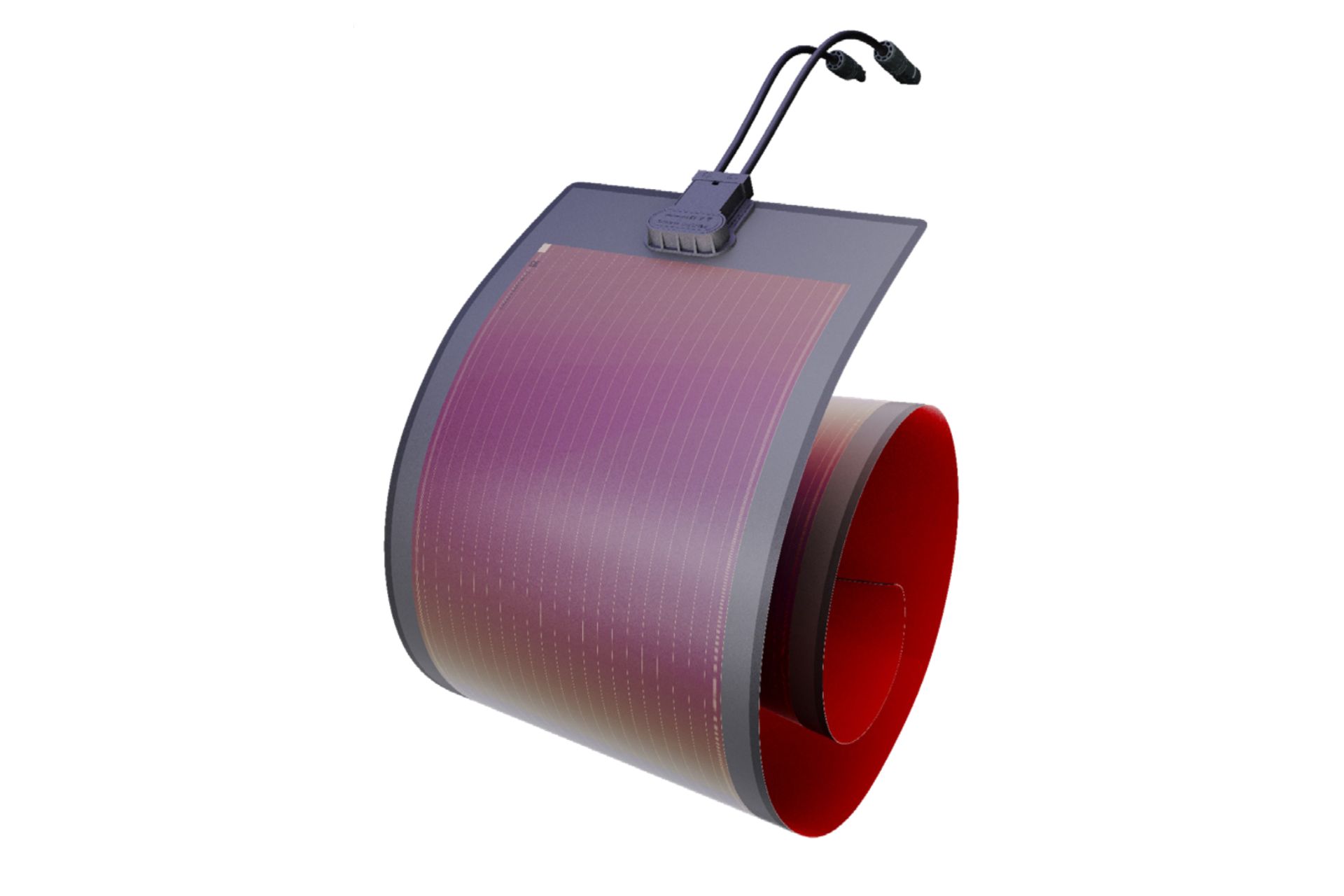
At first glance, HeliaSol hardly resembles a conventional solar panel. Each module is just 2 mm (0.08 in) thick, weighs only 1.6 kg (3.5 lb), and measures 2 m × 436 mm (6.56 × 1.43 ft). Unlike rigid glass-covered modules, the film can bend around surfaces with a minimum radius of 50 cm (19.7 in), allowing installation on gently curved roofs and architectural features.
The product uses organic triple-junction solar cells sealed inside protective polymer films, rather than traditional crystalline silicon cells. An integrated junction box and electrical connectors come pre-installed, while the rear of each module includes a factory-applied acrylic adhesive covered by a protective liner until installation.
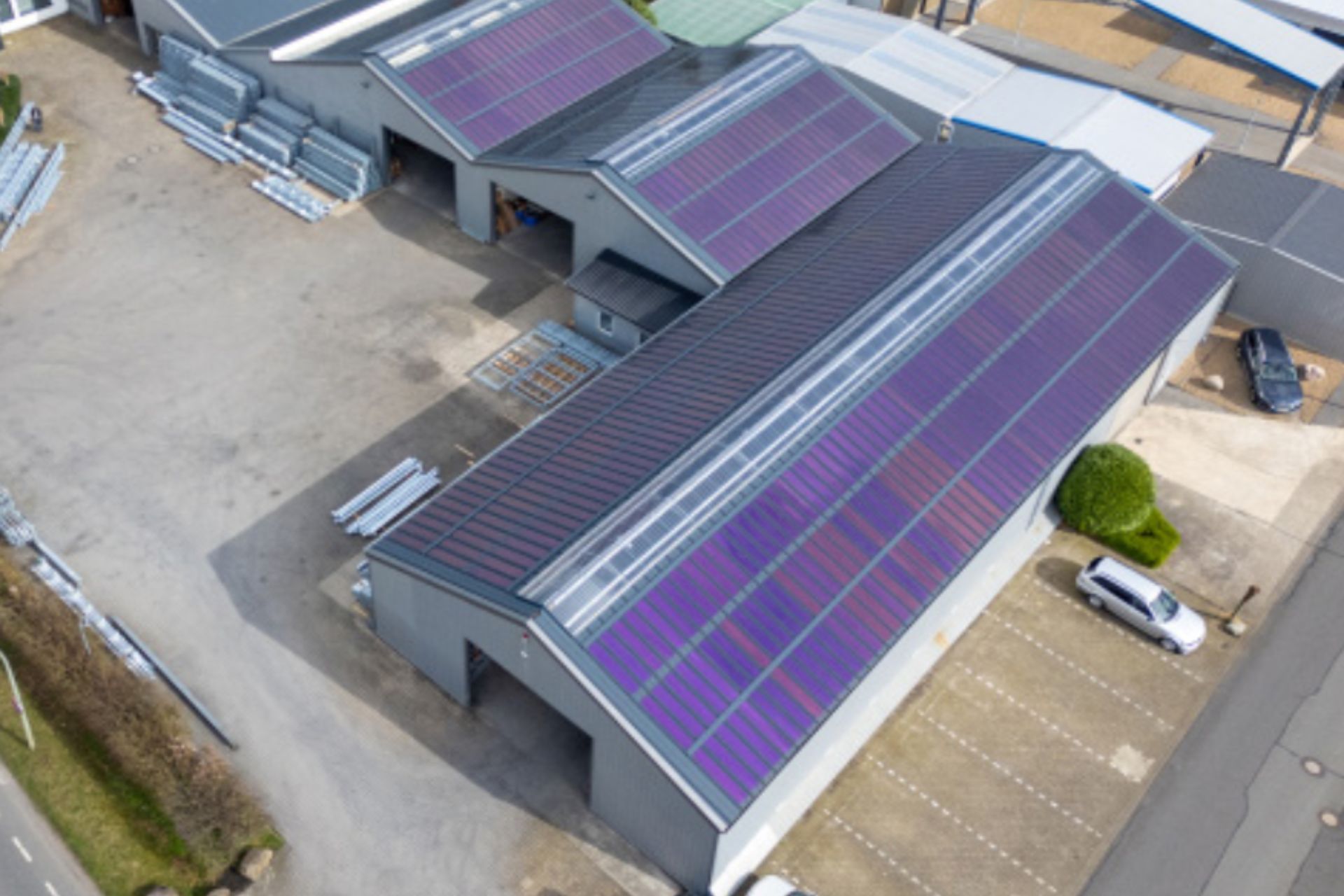
Because of this design, installers don’t need bulky aluminum mounting rails or roof penetrations that are common with conventional rooftop solar systems.
Designed for buildings that conventional solar can’t use
One of HeliaSol’s biggest advantages is its exceptionally low weight.
Traditional photovoltaic systems can add significant structural loads to rooftops. For many older commercial buildings, warehouses, sports halls, factories, or lightweight membrane structures, installing conventional solar may require costly structural reinforcement—or may not be possible at all.
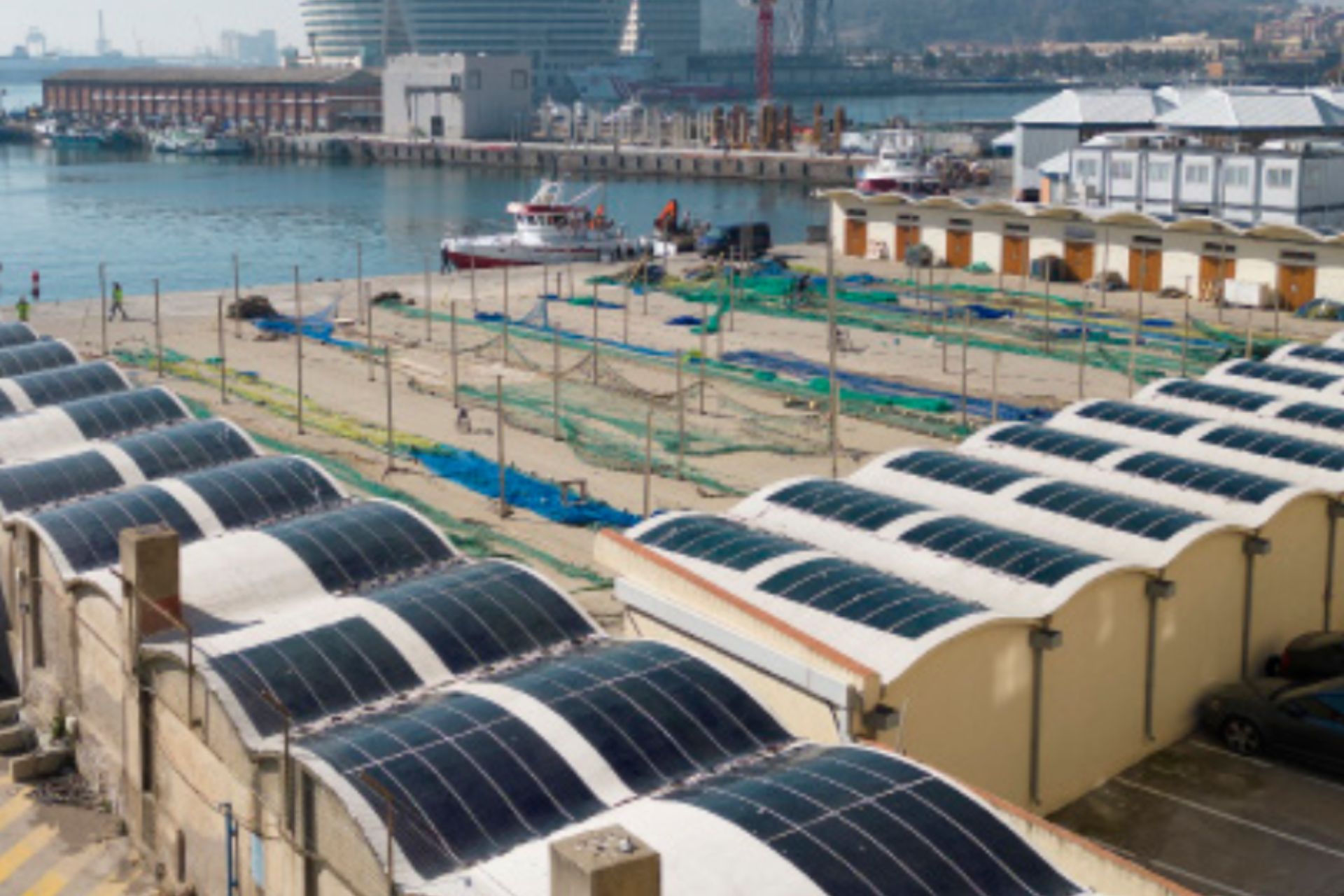
HeliaSol changes that equation by weighing less than 2 kg per square meter, making it suitable for many lightweight roof structures that would otherwise be excluded from solar generation.
The integrated adhesive also eliminates the need for mechanical fasteners in many applications, reducing installation complexity and avoiding holes through roofing materials. According to Heliatek, the film can be installed on several approved surfaces, including:
- Glass
- Concrete and fiber cement
- Stainless steel
- Aluminum
- Copper
- Polyethylene (PE)- or polyvinyl fluoride (PVF)-coated metal
- Acrylic glass (PMMA)
- Bitumen roofs (after primer application)
The mounting surface must be clean, dry, structurally sound, and either flat or curved in a single direction with at least a 50-cm (19.7-in) bending radius.
Peel, stick, and connect
Installing conventional solar often involves lifting heavy glass panels, assembling aluminum racking systems, drilling into rooftops, and securing numerous mounting brackets.
HeliaSol simplifies much of that process.
Each module arrives rolled inside protective packaging with its adhesive already applied to the back. Once the surface has been properly prepared, installers remove the protective liner and bond the film directly to the structure before connecting the electrical wiring to the rest of the photovoltaic system.
The product supports both series and parallel electrical configurations, operates with system voltages up to 1,000 V, and is compatible with most mainstream photovoltaic inverters. Each module also incorporates a bypass diode and an IP67-rated junction box for outdoor use.
While installation is considerably simpler than traditional rooftop systems, Heliatek emphasizes that the films should only be installed according to its official installation guidelines and all applicable electrical regulations.
Built to handle the heat
High temperatures are one of the hidden challenges facing conventional silicon solar panels.
As rooftop temperatures climb during hot summer afternoons, the electrical output of most crystalline panels begins to decline noticeably.
HeliaSol’s organic photovoltaic technology behaves differently.
According to the technical datasheet, the solar film maintains a 0.00% per °C temperature coefficient from 25°C to 65°C (77°F to 149°F), meaning its rated output does not decline across that range. Above 65°C, the temperature coefficient becomes -0.11% per °C, remaining relatively small compared to many conventional photovoltaic technologies.
The operating temperature range extends from -40°C to 70°C (-40°F to 158°F), while testing has been conducted up to 85°C (185°F) under IEC certification standards.
This characteristic could make the technology particularly attractive in hot climates where rooftop temperatures regularly soar.
A different definition of efficiency
Anyone comparing HeliaSol with premium silicon solar panels will quickly notice one trade-off.
Its aperture efficiency ranges from 7.2% to 8.0%, considerably lower than modern crystalline silicon modules that often exceed 20%. The available versions produce 50 W or 55 W under standard test conditions.
However, Heliatek isn’t trying to replace conventional rooftop solar where rigid panels already work well.
Instead, the company is targeting buildings that currently generate no solar electricity at all because they cannot support the weight or geometry of traditional systems. In those situations, lower efficiency may still be preferable to having no photovoltaic installation whatsoever.
One of the greenest solar technologies?
Heliatek also highlights the environmental credentials of its manufacturing process.
According to the company, HeliaSol has a carbon footprint of less than 10 g CO₂e per kWh generated over its lifetime. The product also avoids toxic heavy metals such as lead and cadmium, while eliminating the need for rare-earth elements and other scarce raw materials.
The company projects a 20-year power-production service life, provided the underlying roof or mounting surface is also expected to remain structurally sound for at least that long.
Where this technology could make the biggest impact
Rather than competing directly with rooftop solar farms or residential installations, HeliaSol appears to carve out its own niche.
Large logistics centers, warehouses, airports, stadiums, manufacturing facilities, temporary structures, and architecturally unique buildings often include lightweight or curved roofs where conventional solar installation is difficult or impossible.
Those same surfaces represent enormous amounts of previously unused real estate capable of generating electricity.
By reducing weight, simplifying installation, and expanding the range of suitable mounting surfaces, organic solar films like HeliaSol could help unlock a significant portion of that untapped potential.
The technology won’t replace conventional silicon panels everywhere—and it isn’t intended to. Instead, it offers another tool that broadens where solar power can be deployed. As cities continue searching for ways to generate more renewable electricity without consuming additional land, solutions that transform existing buildings into power producers may become an increasingly important part of the energy landscape.
Source: Heliatek