Traffic congestion continues to challenge cities around the world, with longer commute times, rising transport costs, and increasing emissions placing pressure on both infrastructure and the environment. Electric vertical take-off and landing (eVTOL) aircraft have emerged as one possible solution, promising to move people and goods above congested streets. However, many current concepts rely on highly complex aircraft designs that can be expensive to manufacture, certify, and operate.
Austrian company FlyNow Aviation believes there is another way.
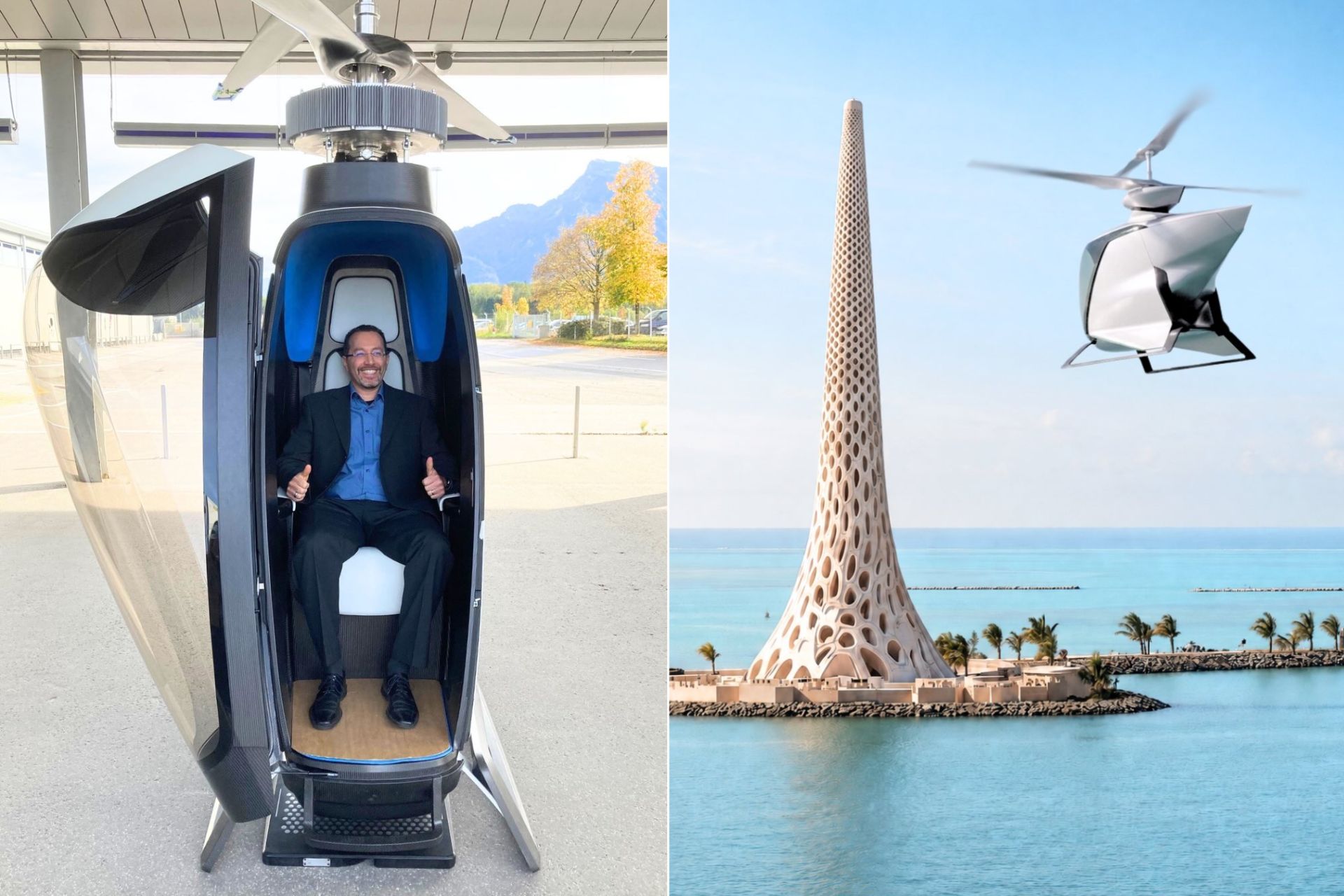
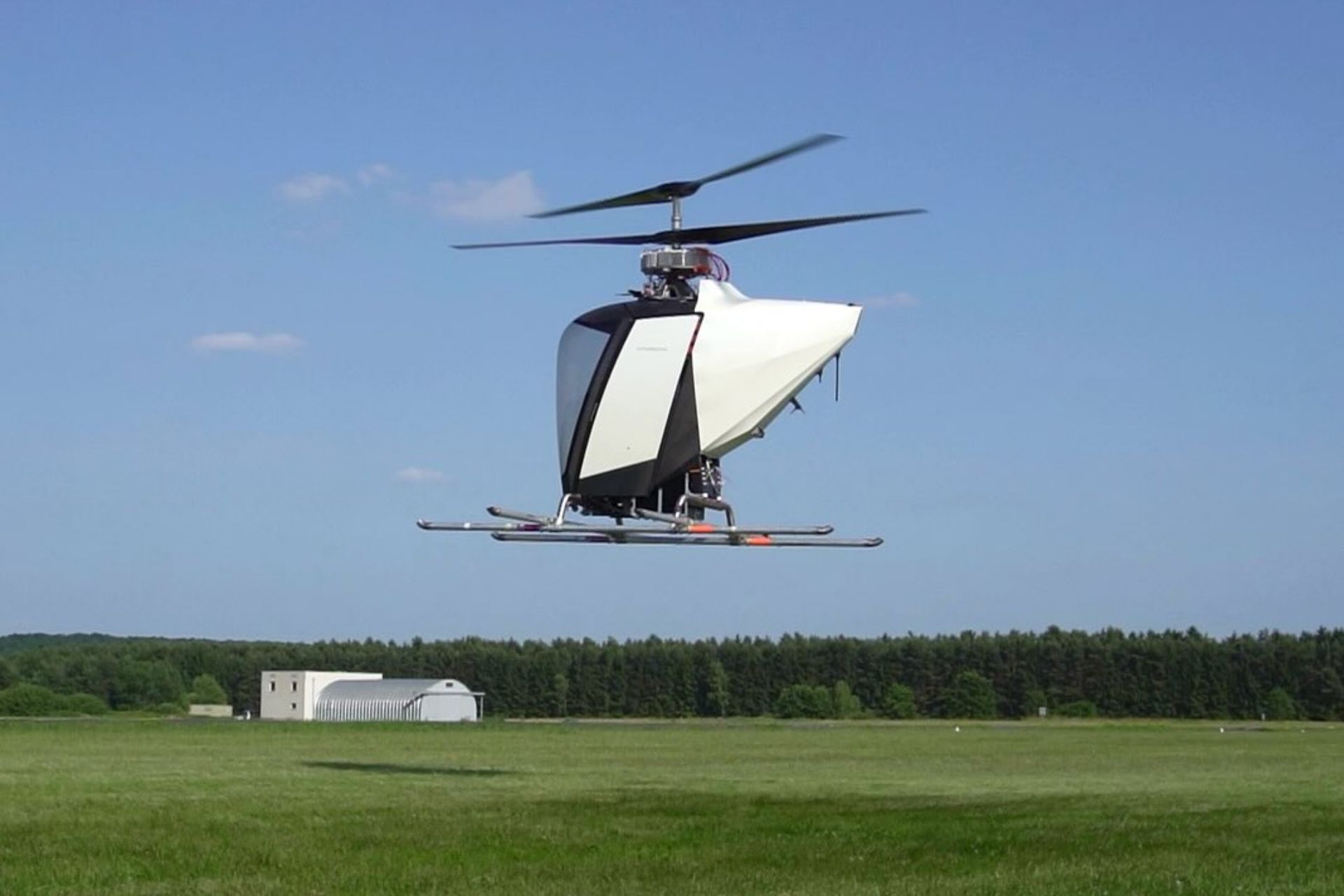
Its answer is the FlyNow eCopter, an autonomous electric aircraft designed around simplicity rather than complexity. Instead of building another futuristic flying car packed with tilting wings and dozens of propellers, the company has developed a modular aircraft that combines the familiar principles of a helicopter with fully electric propulsion and autonomous flight technology.
Designed to operate without an onboard pilot, the eCopter is intended for far more than urban air taxis. FlyNow envisions a versatile platform capable of transporting passengers, carrying cargo, supporting emergency responders, and performing medical evacuation missions. At the same time, the company is helping develop the infrastructure needed to support autonomous aviation, believing that successful urban air mobility requires an entire ecosystem—not just an aircraft.
A modular aircraft for multiple missions
Rather than creating separate aircraft for different industries, FlyNow has built the eCopter around a modular platform that can be adapted for a variety of applications.
The current family includes one-seat and two-seat passenger models, a cargo version, a dedicated firefighting aircraft, and a medical evacuation (medevac) variant capable of transporting a patient in a lying position. This modular approach allows operators to use the same core aircraft architecture for different missions while reducing development and manufacturing costs.
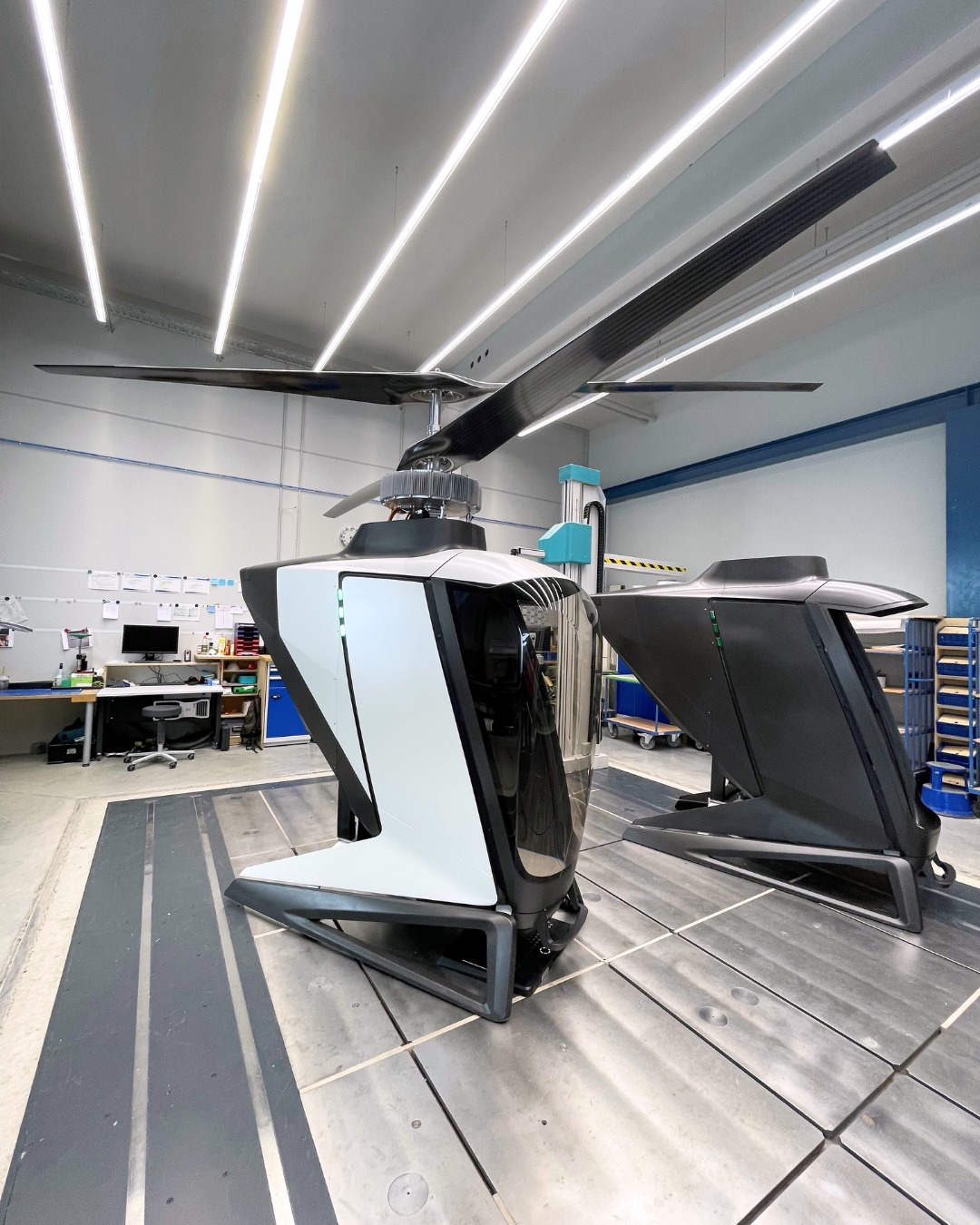
According to FlyNow, the electric eCopter can carry payloads of up to 200 kg (441 lb), reach speeds of 130 km/h (81 mph), and travel up to 50 km (31 miles) on a single charge. Those figures make it well suited for short urban and regional routes where road congestion often causes significant delays.
Unlike conventional helicopters, the aircraft is designed for fully autonomous operation, eliminating the need for an onboard pilot. FlyNow believes this approach not only increases the available payload but also lowers operating costs, making frequent aerial transportation commercially viable.
The company’s long-term ambition is particularly ambitious: to make autonomous flights affordable enough to compete with conventional ground taxis.
Simplicity over complexity
The rapidly growing eVTOL industry has produced a wide range of aircraft concepts, many featuring multiple electric motors, tilting propellers, movable wings, and sophisticated mechanical systems.
FlyNow has deliberately chosen a different engineering philosophy.
The eCopter uses a patented counter-rotating rotor system designed to reduce mechanical complexity while maintaining stability and efficiency. Fewer moving parts can simplify manufacturing, reduce maintenance requirements, and improve long-term reliability—all important factors for commercial fleet operators.
According to the company, this simplified design could reduce production costs by up to 10 times compared with many competing eVTOL concepts.
The aircraft is also designed to be energy efficient. FlyNow states that the eCopter consumes approximately 30 kWh per 100 km (62 miles) while producing zero operational emissions. Combined with electric propulsion, this could help lower operating costs while supporting cleaner urban transportation.
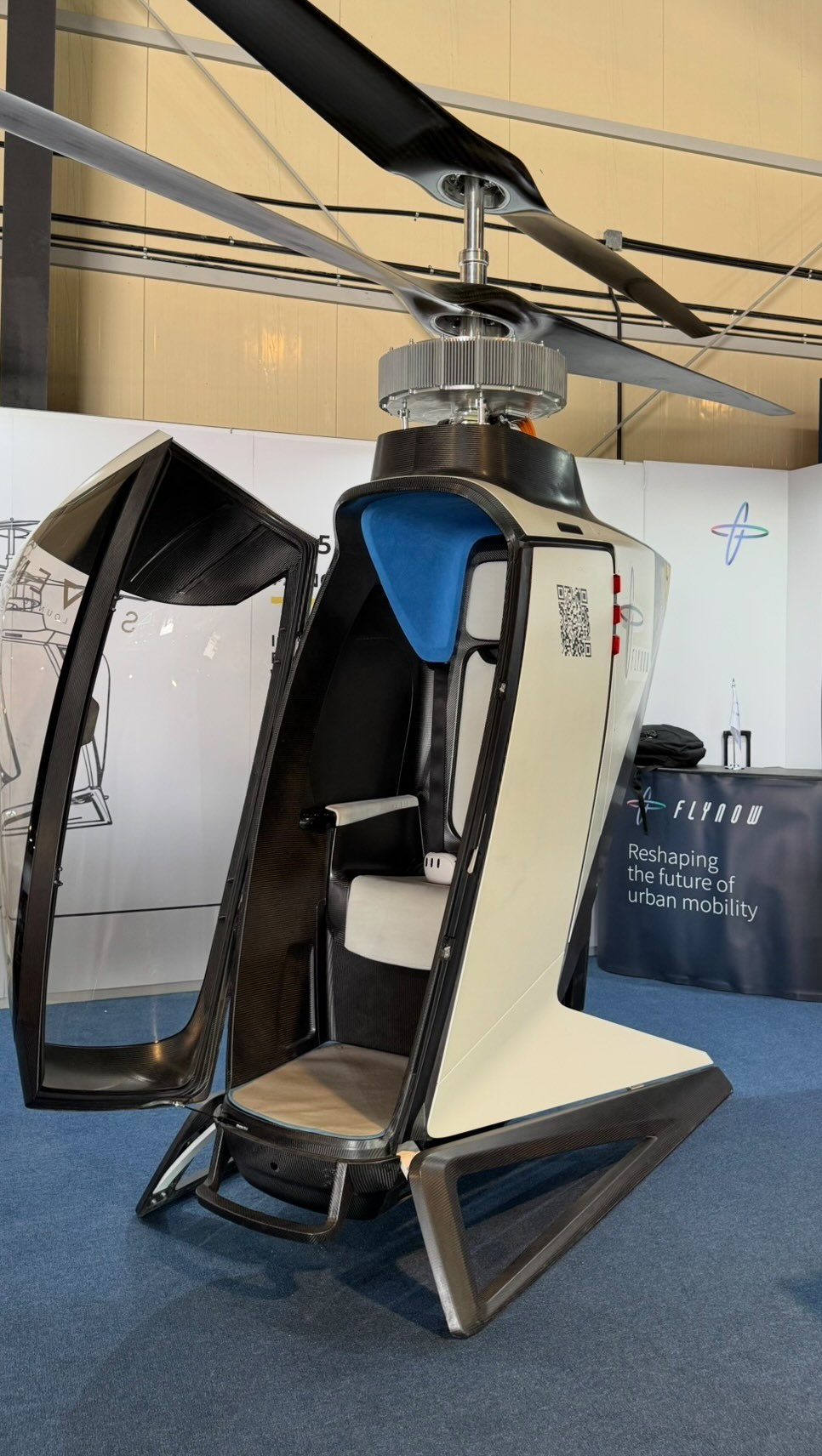
Noise is another challenge facing urban air mobility. Traditional helicopters are often considered too loud for frequent city operations, limiting where and when they can fly. FlyNow claims its rotor system generates approximately 55 dB(A) at an altitude of 150 meters (492 feet)—roughly comparable to the sound level of a household dishwasher. If achieved during commercial operations, such low noise levels could improve public acceptance of routine urban flights.
Beyond passenger transportation
Although air taxis receive much of the public attention, FlyNow has designed the eCopter to support a much broader range of missions.
Passenger transportation remains a key objective, with one-seat and two-seat variants intended for short urban journeys. Interestingly, the company argues that smaller aircraft make more economic sense because most conventional taxi trips involve only one or two passengers. Rather than maximizing seating capacity, FlyNow is focused on maximizing fleet utilization while reducing operating costs.
Cargo transport will be the aircraft’s first commercial application. The cargo version can carry up to 200 kg (441 lb) and accommodate a standard Euro pallet, making it suitable for logistics providers, industrial operators, and time-sensitive deliveries. Beginning with cargo operations allows the company to accumulate extensive real-world operational experience before introducing passenger services.
FlyNow is also developing specialized versions for firefighting and medical evacuation. An autonomous firefighting aircraft could reach hazardous areas without exposing pilots to unnecessary risks, while the medevac configuration is intended to transport patients quickly through congested urban environments or to locations that are difficult to access by road.
By designing a single aircraft platform that can serve multiple industries, FlyNow hopes to improve fleet utilization and expand the commercial opportunities for autonomous electric aviation.
Building the ecosystem, not just the aircraft
One of the most distinctive aspects of FlyNow’s strategy is its belief that advanced air mobility cannot succeed through aircraft development alone.
Autonomous aviation also requires supporting infrastructure, including landing facilities, digital air traffic management, secure communications, cybersecurity, and regulatory coordination. Without these systems working together, even the most advanced aircraft cannot operate safely at scale.
To help address this challenge, FlyNow is participating in the launch of a real-world Advanced Air Mobility (AAM) operational sandbox in Riyadh, Saudi Arabia. Developed under SALAAM.earth (Sky Alliance for Automated Air Mobility), the project will bring together aircraft developers, vertiport providers, digital air traffic management companies, cybersecurity specialists, and infrastructure partners to evaluate how an entire autonomous air mobility ecosystem performs under real operating conditions.
Rather than simply testing the eCopter, the initiative is intended to validate the complete environment required for future autonomous flight. The goal is to identify operational challenges, improve interoperability between different systems, and create a framework that could support broader deployment of Advanced Air Mobility in the years ahead.
Testing, commercialization, and what’s next
FlyNow has already reached several important milestones during development. After beginning modular flight testing in 2021 and flying its first full-scale prototype in 2023, the company successfully completed untethered test flights at a dedicated site in eastern Austria during 2025. These flights are helping validate flight stability, autonomous flight control systems, and the next stages of certification.
The company plans to introduce commercial cargo operations first, with a target launch in 2027. Passenger services are expected to follow only after the cargo fleet has accumulated more than 1 million kilometers (621,000 miles) of operational experience, allowing autonomous systems to be thoroughly validated before carrying people.
Saudi Arabia will also play a central role in FlyNow’s future plans. Through FlyNow Arabia Ltd., the company intends to manufacture the eCopter locally while supporting the Kingdom’s Vision 2030 initiative to accelerate innovation and advanced mobility technologies.
Pricing and availability
FlyNow Aviation has not announced pricing for the eCopter, as the aircraft is being developed primarily for commercial fleet operators rather than individual buyers.
The company is currently progressing through testing and certification while preparing for commercial cargo operations. Passenger services are expected to follow after further operational validation and regulatory approvals have been completed.
Source: FlyNow Aviation