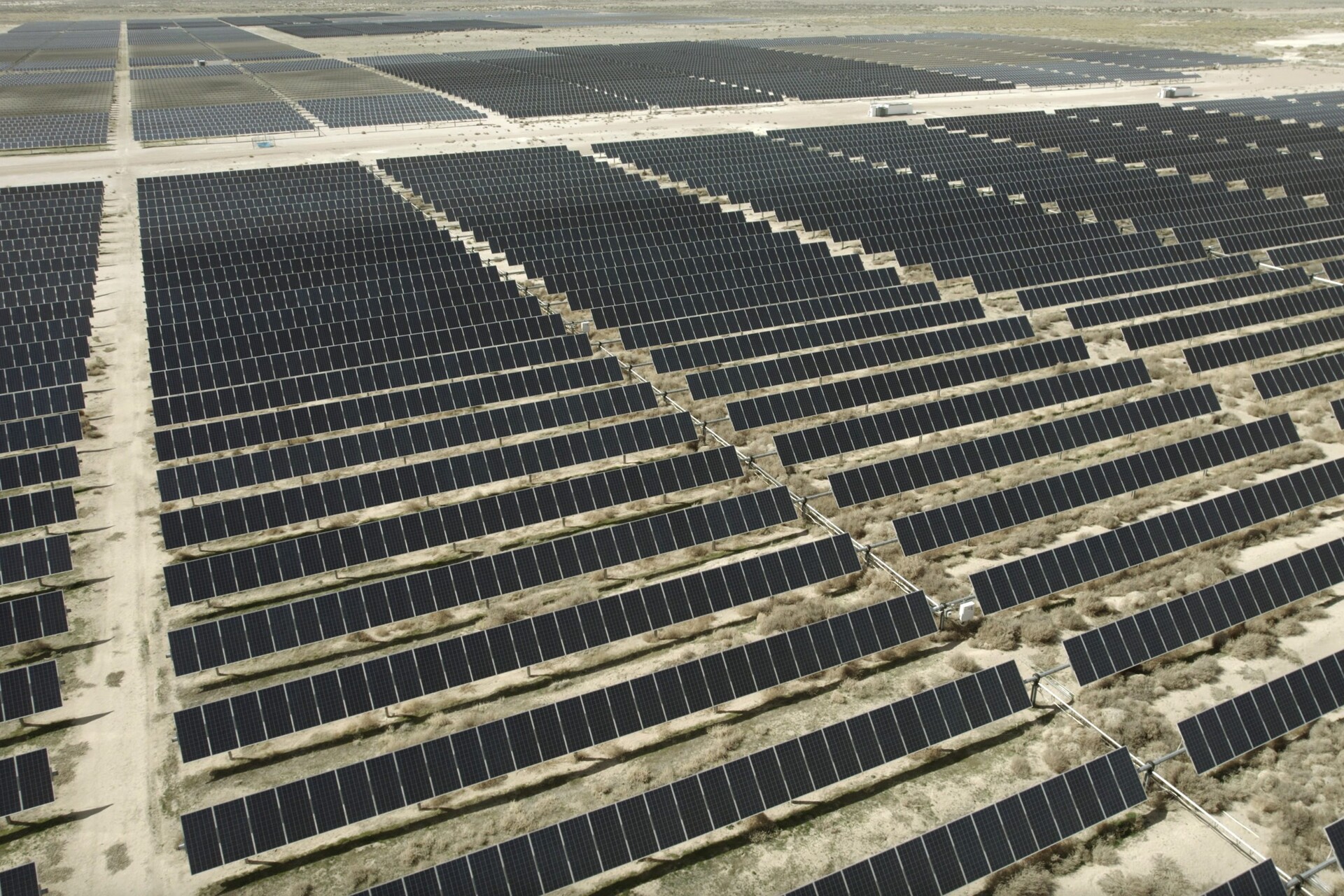
Utah has reached a major clean-energy milestone: for the first time, solar power generated more electricity in the state than any other individual source.
Photovoltaic systems produced approximately 964,000 megawatt-hours (964 gigawatt-hours) of electricity during May 2026, according to figures reported from the U.S. Energy Information Administration. That total includes both utility-scale solar farms and estimated generation from smaller systems, such as rooftop panels.
Solar narrowly moved ahead of natural gas, which produced approximately 943,000 MWh, while coal plants generated around 821,000 MWh during the month.
Data cited by global energy think tank Ember put solar at roughly one-third of Utah’s total electricity generation in May. Natural gas contributed approximately 32%, coal about 28% and wind around 2%.
Solar generation climbed sharply in one year
The milestone reflects both strong seasonal output and the rapid expansion of Utah’s solar capacity.
Solar generation was approximately 42.7% higher than in May 2025, when the state produced around 675,000 MWh from solar. Natural-gas generation also rose substantially—by about 43.9%—while coal-fired generation declined approximately 26% from a year earlier.
May is generally a favorable month for photovoltaic generation because days are longer and sunshine is abundant. Electricity demand for air conditioning also tends to be lower than during the hottest part of summer. That means the result should not be interpreted as solar having permanently become Utah’s leading source in every season.
However, it does show how quickly the state’s power mix is changing. Utah was historically heavily dependent on coal, and the fuel remained its largest annual electricity source as recently as 2024.
Large new projects are changing the power mix
Several major solar farms have begun operating in Utah in recent years.
The Green River Energy Center in Emery County became operational in spring 2026 with 400 MW of solar capacity and a 400-MW battery-storage system. Its batteries can store electricity produced during sunny periods and release it later when demand is higher or solar output has fallen.
The Faraday Solar project in Utah County began supplying as much as 685 MW of power for Meta’s Eagle Mountain data center in 2025. Meanwhile, the 80-MW Elektron Solar Project has been supplying electricity to Salt Lake City, Park City, Summit County and other participating customers since 2024.
Together with other utility-scale installations and growing rooftop capacity, these projects have pushed solar from a relatively small contributor into a major part of Utah’s electricity system.
Coal still remains part of Utah’s energy system
Solar’s May record does not mean Utah has stopped using coal or natural gas. Both remain significant sources of electricity, particularly when solar production is lower or demand rises after sunset.
State leaders have also continued supporting fossil-fuel generation as part of Utah’s energy strategy. At the same time, federal clean-energy incentives face an uncertain future, potentially affecting the economics and construction schedules of new renewable projects.
Even so, projects that have already secured financing, permits and grid connections can continue adding meaningful generation. Batteries are also becoming increasingly important because they allow part of the daytime solar supply to be shifted into evening hours.
Utah’s May figures therefore represent more than a single productive month. They show that a state long associated with coal can now generate more electricity from sunlight than from any other source—at least when conditions align—and that solar has become a central part of its evolving power system.
Sources: Grist, The Salt Lake Tribune and U.S. Energy Information Administration.