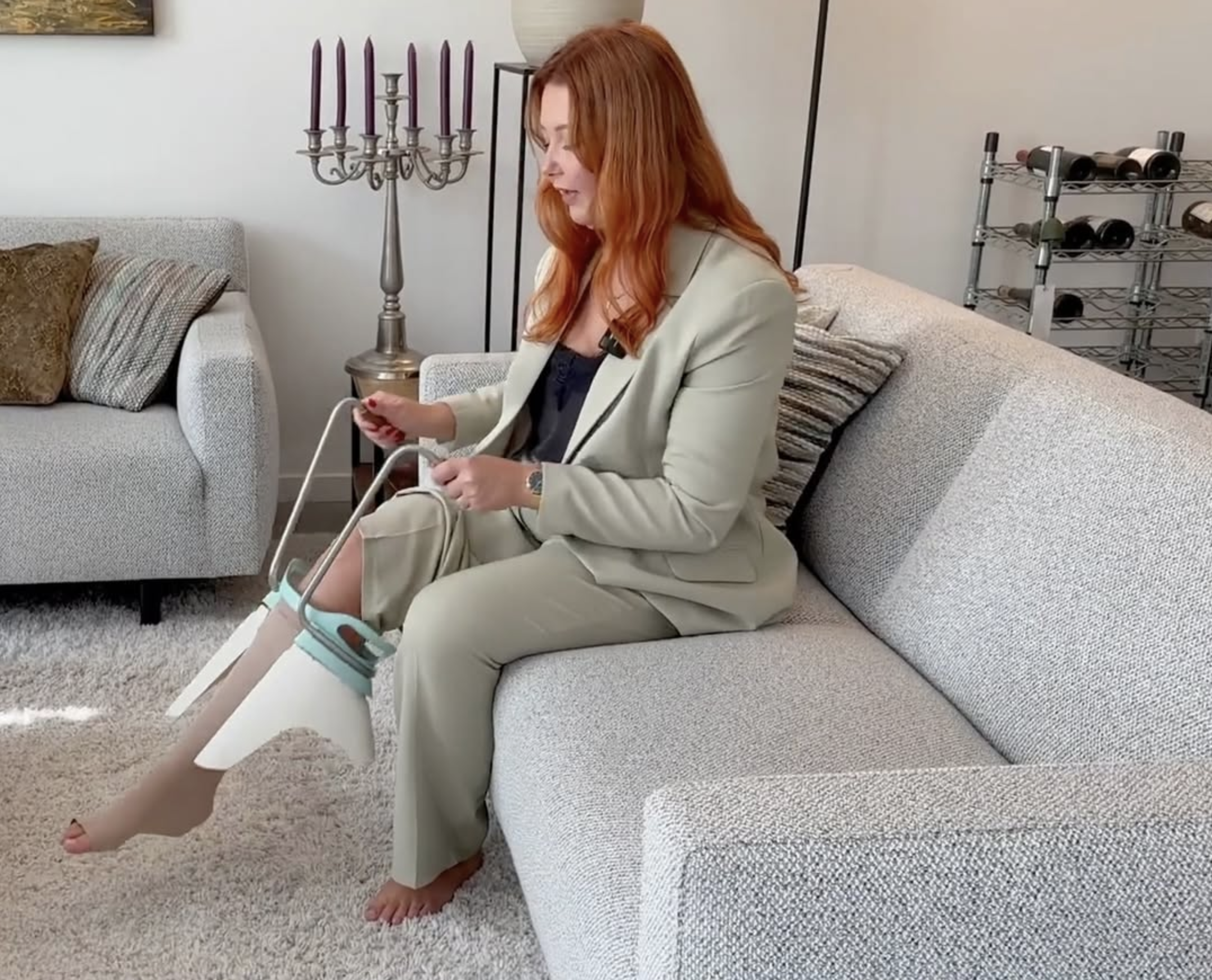
For many people, putting on socks is a quick, forgettable part of the morning routine. But compression stockings are a very different story. Designed to apply pressure and improve blood circulation, they are intentionally tight—making them difficult to pull on, especially for older adults or those with limited mobility.
This everyday challenge often turns into a daily dependency. People who rely on compression therapy may need assistance from caregivers or family members just to get dressed. Over time, that reliance can affect both independence and quality of life.
That’s the problem the Active HelpSoq is designed to address.
A device built around a simple idea
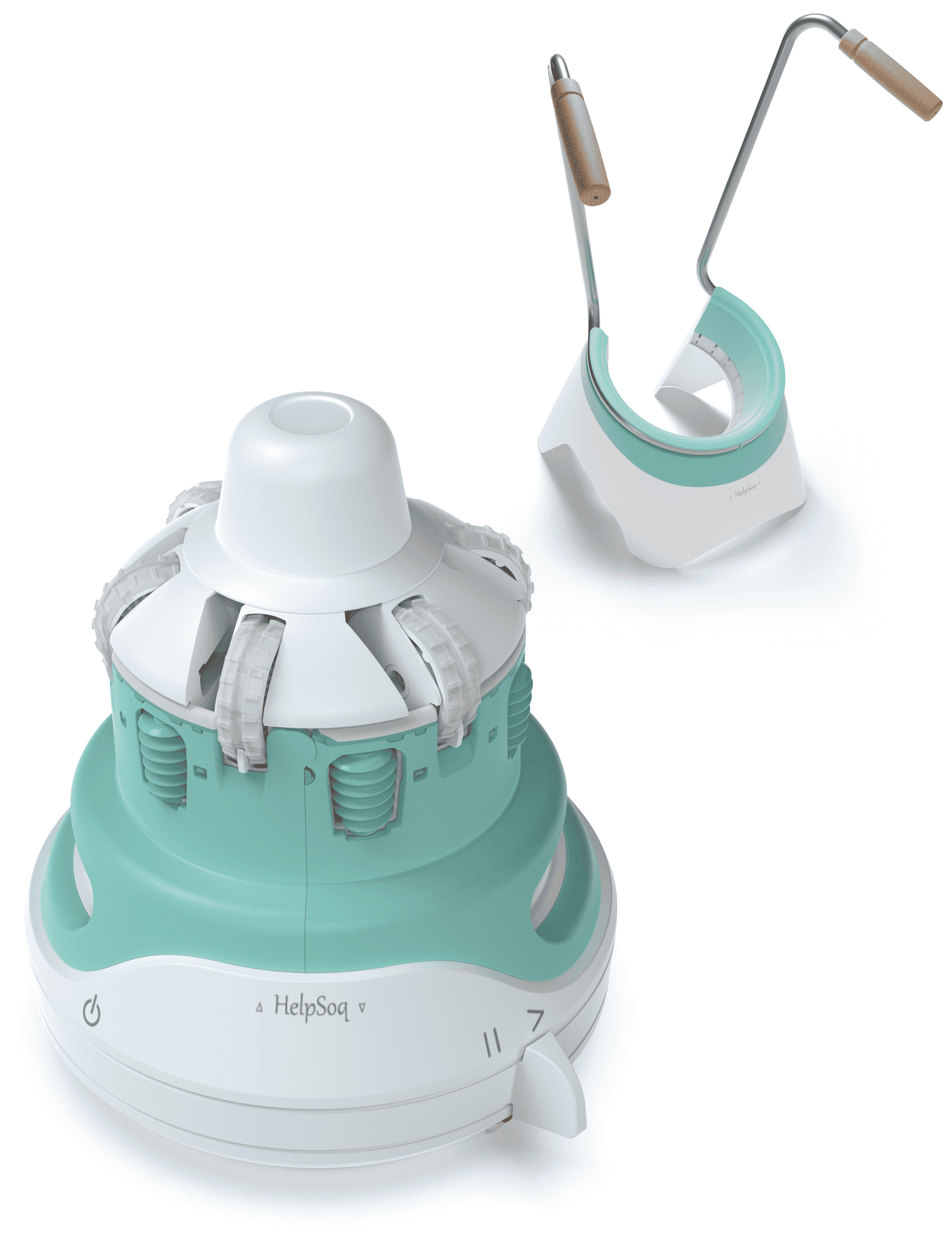
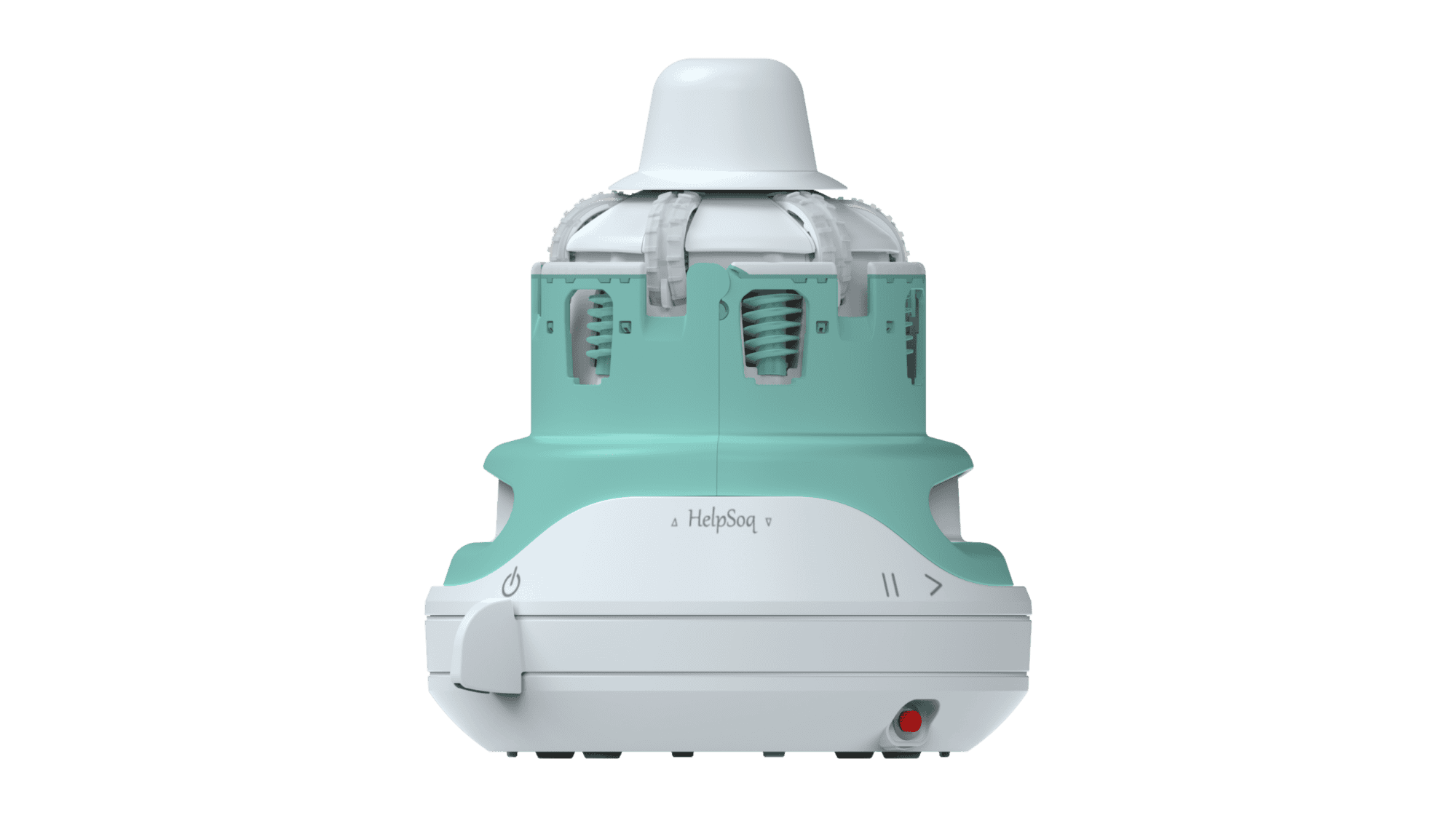
At its core, the Active HelpSoq is an electric assistive device that helps users put on compression stockings with minimal physical effort. Instead of relying on hand strength and flexibility, the device uses a mechanical system to do most of the work.
The process starts by placing the stocking onto a specially designed ring. Once positioned, the device helps guide and stretch the stocking over the foot and up the leg. This reduces the need for pulling, bending, or gripping—three of the biggest obstacles for users with reduced strength or mobility.
An optional arm extender can also be used, allowing individuals who have difficulty bending forward to operate the device more comfortably.
Why compression stockings are so difficult to wear
Compression stockings are commonly prescribed for conditions such as poor circulation, swelling (edema), and varicose veins. They are also used during recovery after certain surgeries.
However, their medical effectiveness comes with a trade-off. The tight fit that makes them beneficial also makes them challenging to handle. For users with arthritis, neurological conditions, or general age-related stiffness, even getting the stocking over the foot can be a struggle.
As a result, many people depend on daily assistance—something that isn’t always convenient or available.
Reducing dependence on daily care
One of the key benefits of devices like the Active HelpSoq is the ability to restore a degree of independence. Instead of waiting for help, users can manage the task on their own schedule.
This has practical implications beyond convenience. In healthcare systems where home visits are required for dressing assistance, reducing even a single daily task can save time and resources. In the Netherlands, similar solutions have already contributed to a significant reduction in caregiver visits, highlighting the broader impact such devices can have.
For caregivers, the benefit is equally important. Assisting with compression stockings can be physically demanding, especially when repeated multiple times a day. Reducing that strain helps lower the risk of injury and fatigue.
Designed through real-world testing
The development of HelpSoq involved collaboration with medical professionals, including specialists in phlebology, dermatology, and occupational therapy. Home care organizations also played a role in refining the design.
One of the main challenges was finding the right balance in the device’s structure—particularly the size and usability of the ring system. It needed to work with tight stockings while still being manageable for users with limited dexterity.
The result is a device that focuses less on complexity and more on usability.
A small shift with meaningful impact
The Active HelpSoq doesn’t change the need for compression therapy, but it changes how people experience it. By simplifying a single, repetitive task, it helps reduce frustration and dependency.
For many users, that difference shows up in small ways—being able to get ready in the morning without assistance, or not having to schedule help around a daily routine.
In the broader context of aging populations and increasing demand for home care, solutions like this point toward a shift in how everyday challenges are addressed. Not through large-scale interventions, but through practical tools that make routine tasks more manageable.
Source: HelpSoq