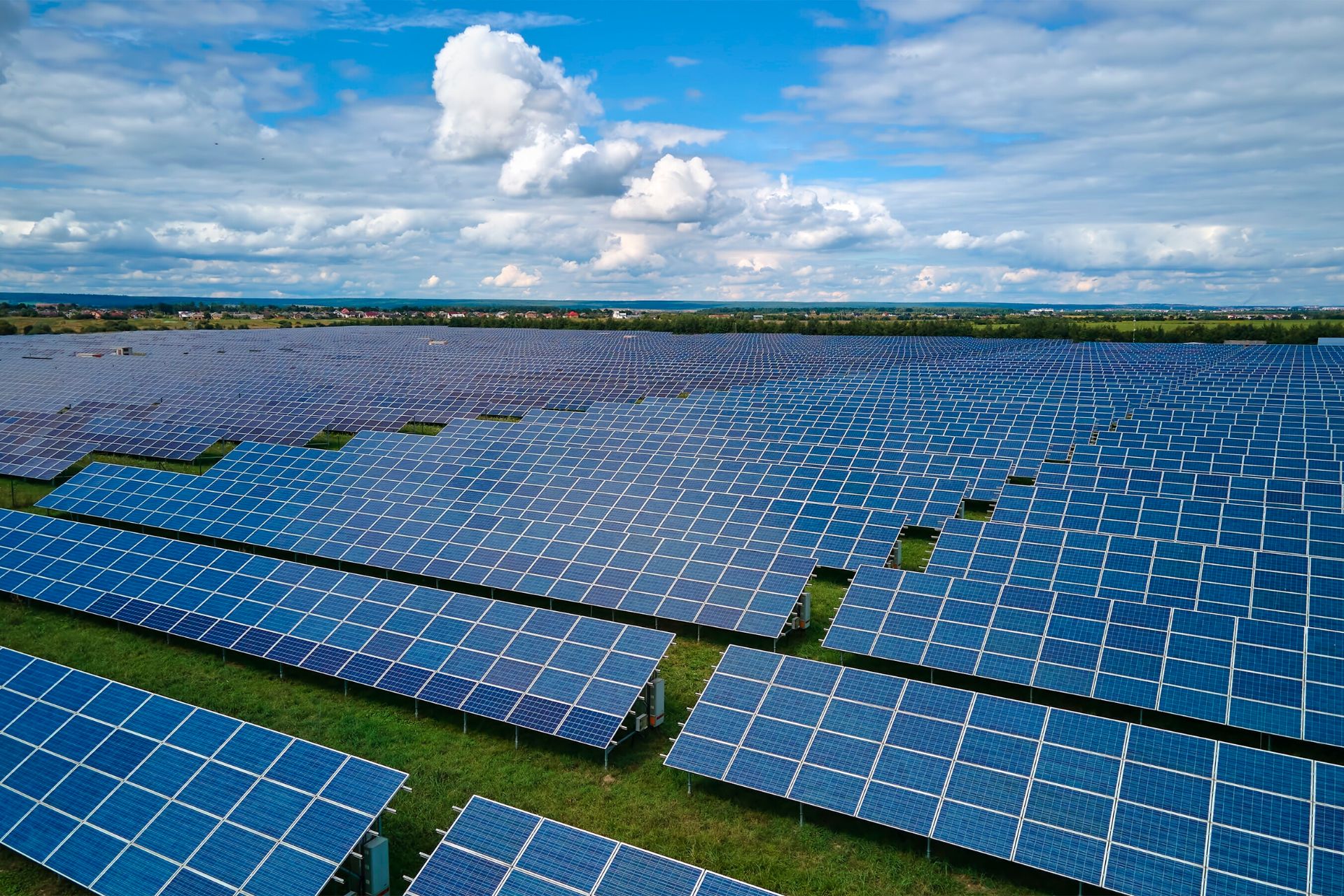
The rapid expansion of solar power is helping countries generate more electricity without burning fossil fuels, but it is also creating a waste problem that will become increasingly difficult to ignore.
A new study published in Nature estimates that the world could accumulate between 297 million and 402 million tonnes of discarded photovoltaic panels by 2060.
That enormous volume of retired equipment could become an environmental liability—or a valuable source of materials for manufacturing the next generation of solar panels.
According to the researchers, carefully planned recycling could generate cumulative net economic benefits of between $529.1 billion and $935.5 billion by 2060 under the strategy delivering the greatest overall benefits.
These figures are modelled cumulative benefits rather than the projected annual revenue of a solar-recycling industry.
Hundreds of millions of tonnes of panels will retire
Solar modules generally have an expected operating life of approximately 25 to 30 years. As the enormous number of panels installed during the present solar boom age, annual retirements are expected to increase sharply.
The study projects that annual photovoltaic waste could rise from around 500,000 tonnes in 2030 to more than 19 million tonnes per year by 2060.
China is expected to become the largest individual source of retired panels. By 2060, the country could have generated between 112.8 million and 160.5 million tonnes of cumulative photovoltaic waste—approximately 36% to 40% of the global total.
The European Union and United States are also expected to produce substantial volumes, while India could account for between 26.8 million and 35.2 million tonnes by 2060.
Old panels contain valuable materials
Photovoltaic modules contain glass, aluminium, silicon, copper and small quantities of valuable materials such as silver and tellurium.
Recovering those materials could reduce demand for newly mined resources, strengthen solar-manufacturing supply chains and prevent usable material from being buried in landfills.
Responsible treatment also matters because some types of photovoltaic modules contain potentially hazardous substances, including lead and cadmium. If panels are improperly dumped or broken, these materials could potentially leach into soil or groundwater.
Recycling technologies generally use combinations of mechanical, thermal and chemical processes. Each method involves different costs, recovery rates, energy requirements and environmental effects.
Researchers modelled 1,708 recycling scenarios
Rather than assuming that every country would use the same recycling method, the international research team evaluated 1,708 possible scenarios across 32 regions.
The model considered changing material prices, different panel-retirement rates, available recycling technologies, cross-border movement of retired modules and several approaches to government subsidies.
The highest overall economic and climate benefits came from carbon-priority recycling under an extended-producer-responsibility-oriented trade system.
Under this model, retired panels could be returned to the regions responsible for producing them, allowing processing to take place in locations with established technology, infrastructure and comparatively low recycling costs.
The researchers calculated cumulative net economic benefits of $529.1 billion to $935.5 billion and avoided emissions of between 2.2 billion and 3.32 billion tonnes of CO₂-equivalent by 2060 under these scenarios.
The avoided-emissions figure incorporates the benefits of recovering materials and reducing the need for more carbon-intensive primary production. It should not be interpreted as emissions physically captured from discarded panels.
The most profitable approach may not be the fairest
Concentrating processing in technologically advanced regions could lower recycling costs and increase global benefits. However, it could also allow those regions to retain a disproportionate share of the recovered materials and economic value.
Countries without mature recycling industries could be left exporting their discarded panels while receiving relatively little of the resulting benefit.
The study found that expanded international or regional trade could distribute recycling activity more evenly, although doing so could reduce the maximum overall economic return.
A carefully designed declining-subsidy system could also help establish recycling capacity without requiring permanent government support. Subsidies would initially address high costs and infrastructure barriers, then decrease as technologies improve and larger waste volumes make recycling more commercially viable.
The researchers therefore recommend region-specific strategies, international technology sharing and targeted investment in lower-income regions.
Solar panels have played an increasingly important role in the transition to cleaner electricity. The new research suggests that planning for what happens at the end of their useful lives could be almost as important as manufacturing and installing them in the first place.
Sources: Nature, Adelaide University